


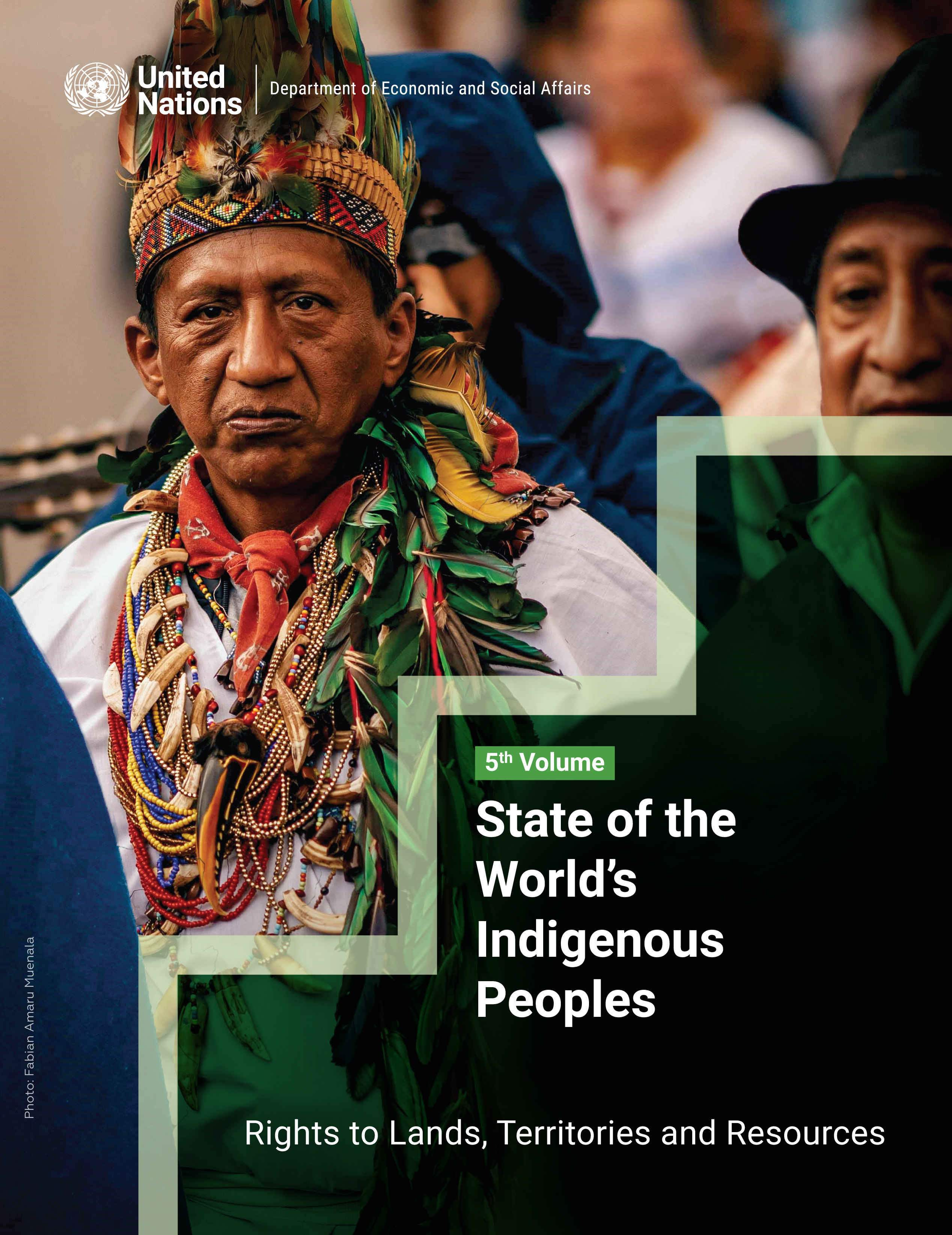
Indigenous peoples’ rights to lands, territories and resources and the 2030 Agenda for Sustainable Development
- مؤلف: Prabindra Shakya
- العنوان الرئيسي: State of the World’s Indigenous Peoples , pp 149-177
- تاريخ النشر: مارس ٢٠٢١
- DOI: https://doi.org/10.18356/9789210054881c008
- Language: الإنجليزية
Over the past 30 years, the United Nations has developed a series of global frameworks incorporating social, economic and environmental goals and targets for sustainable development. The concept of “sustainable development” first entered the global discourse in 1987 in the “Report of the World Commission on Environment and Development: our common future”. In this report, sustainable development is defined as “development that meets the needs of the present without compromising the ability of future generations to meet their own needs”. The concept of formally integrating economic development, environmental management and protection, and social equity and inclusion to achieve global development objectives was introduced in the report and, five years later, helped frame the discussions at the 1992 United Nations Conference on Environment and Development (the Earth Summit) in Rio de Janeiro, Brazil, and its outcome document, Agenda 21.
-
From This Site
/content/books/9789210054881c008dcterms_title,dcterms_subject,pub_keyword-contentType:Journal -contentType:Contributor -contentType:Concept -contentType:Institution105