


1 - 50 of 190 résultats
-
-
Stupéfiants 2020
Plus MoinsCette publication contient des informations sur les mouvements licites des stupéfiants placés sous contrôle international et inscrits aux Tableaux de la Convention unique sur les stupéfiants de 1961. Cela comprend des informations concernant la culture de matières premières opiacées, sur l'extraction d'alcaloïdes à partir de l'opium, de la paille de pavot et du concentré de paille de pavot ; sur la fabrication, la consommation, l'utilisation et les stocks d'opiacés et d'opioïdes, ainsi que le commerce international des stupéfiants ainsi que dans les différents pays/territoires. La publication contient également les besoins estimés en stupéfiants de chaque pays et territoire.
-
-
-
Stupéfiants 2021
Plus MoinsCette publication contient des informations sur les mouvements licites des stupéfiants placés sous contrôle international et inscrits aux Tableaux de la Convention unique sur les stupéfiants de 1961. Cela comprend des informations concernant la culture de matières premières opiacées, sur l'extraction d'alcaloïdes à partir de l'opium, de la paille de pavot et du concentré de paille de pavot ; sur la fabrication, la consommation, l'utilisation et les stocks d'opiacés et d'opioïdes, ainsi que le commerce international des stupéfiants ainsi que dans les différents pays/territoires. La publication contient également les besoins estimés en stupéfiants de chaque pays et territoire.
-
-
-
Stupéfiants 2022
Plus MoinsCette publication contient des informations sur les mouvements licites des stupéfiants placés sous contrôle international et inscrits aux Tableaux de la Convention unique sur les stupéfiants de 1961. Cela comprend des informations concernant la culture de matières premières opiacées, sur l'extraction d'alcaloïdes à partir de l'opium, de la paille de pavot et du concentré de paille de pavot ; sur la fabrication, la consommation, l'utilisation et les stocks d'opiacés et d'opioïdes, ainsi que le commerce international des stupéfiants ainsi que dans les différents pays/territoires. La publication contient également les besoins estimés en stupéfiants de chaque pays et territoire.
-
-
-

Nacidos libres e iguales
Plus MoinsEsta segunda edición de Nacidos libres e iguales tiene en cuenta los avances desde la publicación de la primera edición en 2012, incluidas las decisiones de las Naciones Unidas y los organismos de derechos humanos regionales y nacionales. Establece la fuente y el alcance de las obligaciones legales de los Estados miembros con respecto a los derechos de las personas LGBTI, y también integra, por primera vez, recomendaciones con respecto a los derechos de las personas intersexuales. Está diseñado como una herramienta para los Estados, para ayudarlos a comprender mejor la naturaleza de sus obligaciones y los pasos necesarios para cumplirlas, así como para los activistas de la sociedad civil, los defensores de los derechos humanos y otros que buscan hacer que los gobiernos rindan cuentas por violaciones del derecho internacional de los derechos humanos.
-
-
-
Naciones Unidas modelo de convenio sobre doble imposición entre países desarrollados y países en desarrollo 2021
Plus MoinsEsta publicación está dirigida a la comunidad internacional, especialmente a los países en desarrollo y a los países con economías en transición. Los tratados de doble imposición tienen como objetivo prevenir la doble imposición total y fomentar la actividad económica transfronteriza y la transferencia de tecnología. El Convenio Fiscal Modelo de las Naciones Unidas consta de artículos sobre el alcance del tratado y las definiciones que se utilizarán. Para diferentes tipos de ingresos y capital, asigna derechos impositivos antes de establecer cómo se eliminará la doble imposición cuando los derechos impositivos son compartidos. Su objetivo es prevenir determinadas formas de discriminación fiscal; prever el intercambio de información tributaria y asistencia en la recaudación de impuestos entre los socios del tratado; permitir que los socios del tratado resuelvan disputas o aborden dudas sobre el tratado, y abordar ciertos tipos de abuso del tratado.
-
-
-

Stupéfiants 2023
Plus MoinsLe préambule de la Convention unique de 1961 souligne la préoccupation des États pour la santé et le bien-être de l'humanité. Cette affirmation fondamentale est suivie par la reconnaissance de l'usage médical des stupéfiants et de leur rôle indispensable dans le soulagement de la douleur, ce dont les pays ont besoin pour assurer la disponibilité et prendre des dispositions adéquates. Ces principes ont été réaffirmés dans la Convention sur les substances psychotropes de 1971, dans laquelle il a été ajouté que, s'il était nécessaire de limiter l'utilisation de substances contrôlées à des fins légitimes, leur disponibilité n'aurait pas dû être restreinte indûment. Près de soixante ans après cette proclamation officielle, l’objectif de garantie de la disponibilité n’est toujours pas atteint dans de nombreux pays où des personnes souffrent encore ou meurent de douleur ou n’ont pas accès aux médicaments dont elles ont besoin. Le déséquilibre dans la disponibilité des analgésiques opioïdes est particulièrement préoccupant, car les données montrent que de nombreuses affections nécessitant une prise en charge de la douleur, notamment le cancer, prévalent et augmentent dans les pays à revenu faible et intermédiaire.
-
-
-

National Accounts Statistics: Analysis of Main Aggregates 1998-1999
Plus MoinsThis publication contains detailed national accounts estimates for most countries or areas of the world for the years 1998 and 1999. The estimates for each country or area are presented in separate chapters with uniform table headings and classifications as recommended in the United Nations System of National Accounts (SNA). A summary of the SNA conceptual framework, classifications and definitions are included in this publication. National Accounts Statistics: Analysis of Main Aggregates contains statistics in such areas as: gross domestic product, national income, savings, private and government consumption, and transactions of institutional sectors. It is a valuable source of information on the economic situation of countries.
-
-
-
National Accounts Statistics: Analysis of Main Aggregates 2001
Plus MoinsThis publication presents a summary of the principal national accounting aggregates based on official national accounts data for more than 200 countries and areas of the world for the years 1970 to 2001. The data is available in the form of analytical tables based on statistics from the National Accounts Statistics: Main Aggregates and Detailed Tables (MADT). Where official data is not available estimates have been provided by the Statistics Division of the United Nations. The analysis covers the level of total and per capita gross domestic product, economic structures, economic development and price development.
-
-
-
National Accounts Statistics: Analysis of Main Aggregates 2002-2003
Plus MoinsThis publication presents, in the form of analytical tables, a summary of the principal national accounting aggregates based on official detailed national accounts data for more than 200 countries and areas of the world for the years 1970 to 2003. Where official data is not available estimates have been provided by the Statistics Division of the United Nations. The analysis covers the level of total and per capita gross domestic product, economic structures, economic development and price development.
-
-
-
National Accounts Statistics: Analysis of Main Aggregates 2003-2004
Plus MoinsThis publication presents, in the form of analytical tables, a summary of the principal national accounting aggregates based on official detailed national accounts data for more than 200 countries and areas of the world for the years 1970 to 2004. Where official data is not available estimates have been provided by the Statistics Division of the United Nations. The analysis covers the level of total and per capita gross domestic product, economic structures, economic development and price development.
-
-
-
National Accounts Statistics: Analysis of Main Aggregates 2004-2005
Plus MoinsThis publication contains detailed national accounts estimates for some 207 countries and areas of the world for the years 1970 to 2004/2005. The national data for each country and area are presented in separate chapters using uniform table headings and classifications recommended in the United Nations System of National Accounts 1993. Statistics on national accounts aggregates such as gross domestic product, per capita gross domestic product, shares of gross domestic product by expenditure and by kind of activity, average growth of gross domestic product and components thereof, and implicit price deflators are included.
-
-
-
National Accounts Statistics: Analysis of Main Aggregates 2006
Plus MoinsThis publication presents, in the form of analytical tables, a summary of the principal national accounting aggregates based on official detailed national accounts data for more than 200 countries and areas of the world for the years 1970 to 2006. The analysis covers the level of total and per capita gross domestic product, shares of gross domestic product by expenditure and by kind of activity, economic structures, economic development and price development, average growth of gross domestic product and components thereof, and implicit price deflators. The national data for each country and area are presented in separate chapters using uniform table headings and classifications recommended in the United Nations System of National Accounts 1993.
-
-
-
National Accounts Statistics: Analysis of Main Aggregates 2010
Plus MoinsThis publication comprises, in the form of analytical tables, a summary of the principal national accounting aggregates based on official national accounts data for more than 200 countries and areas, covering 1970-2010. It also contains a section on the estimation methods used for compiling data. Tables include analysis of data on gross domestic product (GDP) by different structural components. They are classified into: 1) analysis of the level of total and per capita GDP; 2) analysis of the percentage shares of GDP by type of expenditure and gross value added by kind of economic activity; 3) analysis of economic development expressed in terms of real growth of GDP and its components by type of expenditure and gross value added by kind of economic activity, and 4) analysis of price development reflected by implicit price deflators of GDP.
-
-
-
National Accounts Statistics: Analysis of Main Aggregates 2019
Plus MoinsThis publication comprises analytical tables of national accounting aggregates for more than 200 countries and areas, for 1970-2019. It contains estimation methods for compiling data. Tables include analysis of data on GDP by structural components, classified into: 1) analysis of level and real growth of total and per capita GDP; 2) analysis of percentage shares of GDP by type of expenditure and gross value by economic activity; 3) analysis of economic development expressed in terms of real growth of GDP and its components by type of value, and 4) analysis of price development reflected by implicit price deflators of GDP.
-
-
-
National Accounts Statistics: Analysis of Main Aggregates 2020
Plus MoinsThis publication is the fifty-first issue of this publication which comprises in the form of analytical tables a summary of the principal national accounting aggregates based on official national accounts data for more than 200 countries and areas, covering 1970-2020. It also contains a section on the estimation methods used for compiling data, and is prepared by the Statistics Division of the Department of Economic and Social Affairs of the United Nations in cooperation with national statistical offices. Tables include analysis of data on gross domestic product (GDP) by different structural components. They are classified into: 1) analysis of the level and real growth of total and per capita GDP; 2) analysis of the percentage share of GDP by type of expenditure and gross value added by kind of economic activity; 3) analysis of economic development expressed in terms of real growth of GDP and its components by type of expenditure and gross value added by kind of economic activity; and 4) analysis of price development reflected by implicit price deflators of GDP.
-
-
-
National Accounts Statistics: Analysis of Main Aggregates 2021
Plus MoinsThe National Accounts Statistics: Analysis of Main Aggregates 2021 comprises in the form of analytical tables a summary of the principal national accounting aggregates based on official national accounts data for more than 200 countries and areas, covering the period 1970-2021. It also contains a section on the estimation methods used for compiling data, and is prepared by the Statistics Division of the Department of Economic and Social Affairs of the United Nations in cooperation with national statistical offices. Tables include analysis of data on gross domestic product (GDP) by different structural components. They are classified into: 1) analysis of the level and real growth of total and per capita GDP; 2) analysis of the percentage share of GDP by type of expenditure and gross value added by kind of economic activity; 3) analysis of economic development expressed in terms of real growth of GDP and its components by type of expenditure and gross value added by kind of economic activity; and 4) analysis of price development reflected by implicit price deflators of GDP.
-
-
-

National Accounts Statistics: Analysis of Main Aggregates 2022
Plus MoinsThe National Accounts Statistics: Analysis of Main Aggregates, 2022 comprises in the form of analytical tables a summary of the principal national accounting aggregates based on official national accounts data for more than 200 countries and areas, covering the period 1970-2022.
-
-
-
National Accounts Statistics: Main Aggregates and Detailed Tables 1998
Plus MoinsThis publication contains detailed national accounts estimates for most countries or areas of the world for selected years between 1987 to 1998. The estimates for each country or area are presented in separate chapters with uniform table headings and classifications as recommended in the United Nations System of National Accounts (SNA). A summary of the SNA conceptual framework, classifications and definitions are included in this publication. National Accounts Statistics: Main Aggregates and Detailed Tables contains statistics in such areas as: gross domestic product, national income, savings, private and government consumption, and transactions of institutional sectors. It is a valuable source of information on the economic situation of countries.
-
-
-
National Accounts Statistics: Main Aggregates and Detailed Tables 1999
Plus MoinsThis publication contains detailed national accounts estimates for 178 countries and areas of the world for the reporting years 1988 to 1999. The estimates for each country or area are presented in separate chapters with uniform table headings and classifications as recommended in the United Nations System of National Accounts (SNA). A summary of the SNA conceptual framework, classifications and definitions are included in this publication. National Accounts Statistics: Main Aggregates and Detailed Tables contains statistics in such areas as: gross domestic product, national income, savings, private and government consumption, and transactions of institutional sectors. It is a valuable source of information on the economic situation of countries.
-
-
-
National Accounts Statistics: Main Aggregates and Detailed Tables 2000
Plus MoinsThis publication contains detailed national accounts estimates for 178 countries and areas of the world for the reporting year 2000. The estimates for each country or area are presented in separate chapters with uniform table headings and classifications as recommended in the United Nations System of National Accounts (SNA). A summary of the SNA conceptual framework, classifications and definitions are included in this publication. National Accounts Statistics: Main Aggregates and Detailed Tables contains statistics in such areas as: gross domestic product, national income, savings, private and government consumption, and transactions of institutional sectors. It is a valuable source of information on the economic situation of countries.
-
-
-
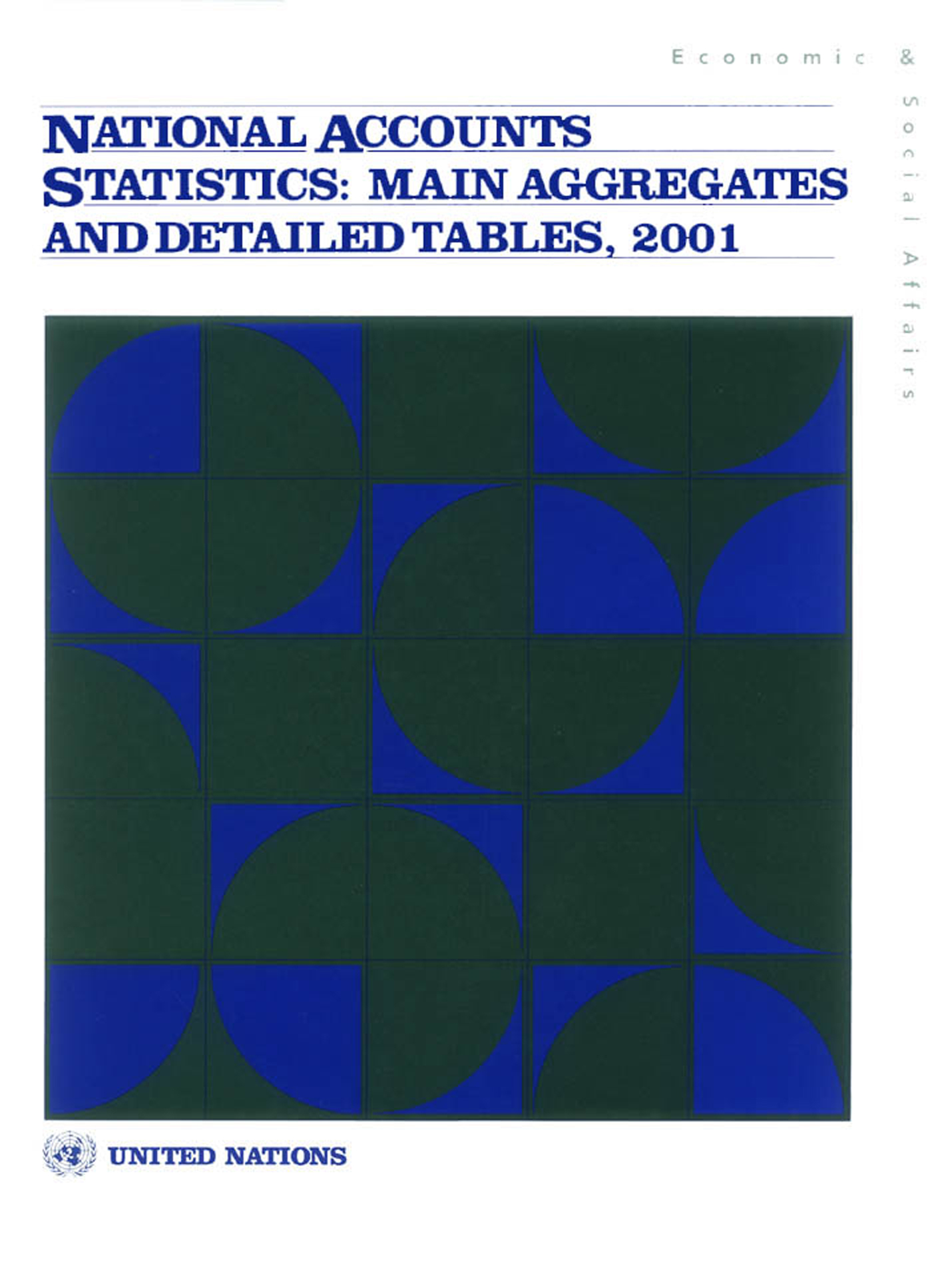
National Accounts Statistics: Main Aggregates and Detailed Tables 2001
Plus MoinsThis publication contains detailed national accounts estimates for 179 countries and areas of the world for the years 1990 to 2001. The estimates for each country or area are presented in separate chapters with uniform table headings and classifications as recommended in the United Nations System of National Accounts (SNA). A summary of the SNA conceptual framework, classifications and definitions is also included in this publication. Other statistical information covered includes gross domestic product, national income, savings, private and government consumption, and transactions of institutional sectors.
-
-
-
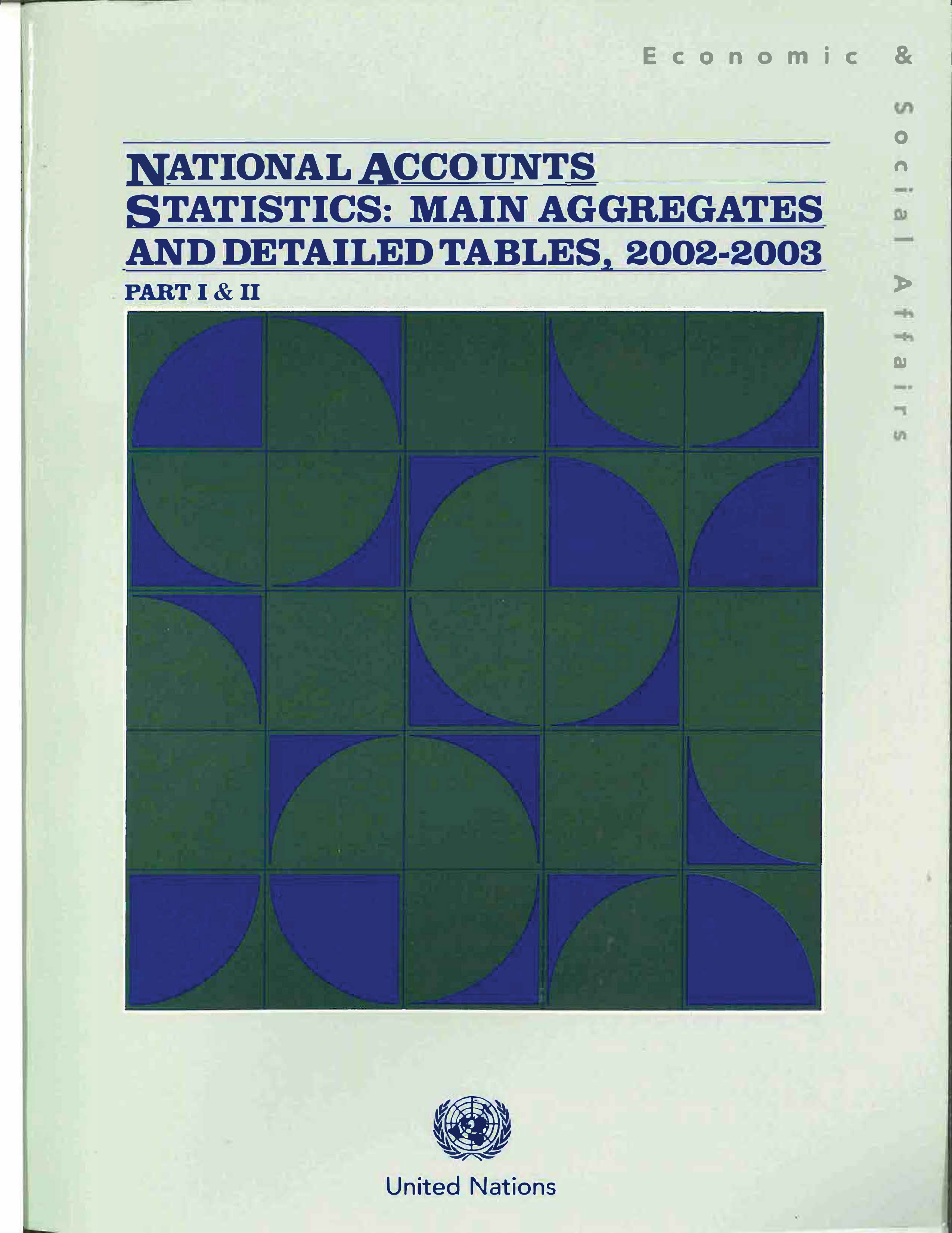
National Accounts Statistics: Main Aggregates and Detailed Tables 2002-2003
Plus MoinsThis publication contains detailed national accounts estimates for 169 countries and areas of the world for the years 1992 to 2003. The national data for each country and area are presented in separate chapters using uniform table headings and classifications recommended in the United Nations System of National Accounts (SNA). A summary of the conceptual framework of the SNA and definitions of important terms are also included in this publication. Other statistical information covered includes gross domestic product, national income, savings, private and government consumption, and transactions of institutional sectors.
-
-
-
National Accounts Statistics: Main Aggregates and Detailed Tables 2004
Plus MoinsThe forty-sixth issue of National Accounts Statistics: Main Aggregates and Detailed Tables shows detailed national accounts estimates for 176 countries and areas for the reporting years 1993 to 2004. The national data for each country and area are presented in separate chapters using uniform table headings and classifications recommended in the United Nations System of National Accounts (SNA). A summary of the conceptual framework of the SNA and definitions of important terms are also included in this publication. Other statistical information covered includes gross domestic product, national income, savings, private and government consumption, and transactions of institutional sectors.
-
-
-
National Accounts Statistics: Main Aggregates and Detailed Tables 2005
Plus MoinsThe forty-seventh issue of National Accounts Statistics: Main Aggregates and Detailed Tables shows detailed national accounts estimates for 176 countries and areas for the reporting years 1994 to 2005. The national data for each country and area are presented in separate chapters using uniform table headings and classifications recommended in the United Nations System of National Accounts (SNA). A summary of the conceptual framework of the SNA and definitions of important terms are also included in this publication. Other statistical information covered includes gross domestic product, national income, savings, private and government consumption, and transactions of institutional sectors.
-
-
-
National Accounts Statistics: Main Aggregates and Detailed Tables 2006
Plus MoinsThe forty-eighth issue of National Accounts Statistics: Main Aggregates and Detailed Tables shows detailed national accounts estimates for most of the world's countries and areas for the reporting years 1995 to 2006. The national data for each country and area are presented in separate chapters using uniform table headings and classifications recommended in the United Nations System of National Accounts (SNA). A summary of the conceptual framework of the SNA and definitions of important terms are also included in this publication. Other statistical information covered includes gross domestic product, national income, savings, private and government consumption, and transactions of institutional sectors.
-
-
-
National Accounts Statistics: Main Aggregates and Detailed Tables 2007
Plus MoinsThe forty-ninth issue of National Accounts Statistics: Main Aggregates and Detailed Tables shows detailed national accounts estimates for most of the world's countries and areas for the reporting years 1995 to 2007. The national data for each country and area are presented in separate chapters using uniform table headings and classifications recommended in the United Nations System of National Accounts (SNA). A summary of the conceptual framework of the SNA and definitions of important terms are also included in this publication. Other statistical information covered includes gross domestic product, national income, savings, private and government consumption, and transactions of institutional sectors.
-
-
-
National Accounts Statistics: Main Aggregates and Detailed Tables 2008
Plus MoinsThe fiftieth issue of National Accounts Statistics: Main Aggregates and Detailed Tables shows detailed national accounts estimates for most of the world’s countries and areas for the reporting years 1995 to 2008. The national data for each country and area are presented in separate chapters using uniform table headings and classifications recommended in the United Nations System of National Accounts (SNA). A summary of the conceptual framework of the SNA and definitions of important terms are also included in this publication. Other statistical information covered includes gross domestic product, national income, savings, private and government consumption, and transactions of institutional sectors.
-
-
-
National Accounts Statistics: Main Aggregates and Detailed Tables 2009
Plus MoinsThis publication presents, in the form of analytical tables, a summary of the principal national accounting aggregates based on official detailed national accounts data for more than 200 countries and areas of the world for the years 1970 to 2009. The analysis covers the level of total and per capita gross domestic product, shares of gross domestic product by expenditure and by kind of activity, economic structures, economic development and price development, average growth of gross domestic product and components thereof, and implicit price deflators. The national data for each country and area are presented in separate chapters using uniform table headings and classifications recommended in the United Nations System of National Accounts 1993.
-
-
-
National Accounts Statistics: Main Aggregates and Detailed Tables 2010
Plus MoinsThis publication contains detailed official national accounts data for 200 countries or areas of the World for the years 1999 to 2010. It is a valuable source of information on the state and structure of economies worldwide. The data for each country or area are presented in separate chapters with uniform table headings and classifications as recommended in the System of National Accounts 1993 (1993 SNA). Each country chapter also contains a write-up on the methodology and data sources which are used to compile the national accounts. A summary of the SNA conceptual framework, classifications, definitions, is also included in the publication.
-
-
-
National Accounts Statistics: Main Aggregates and Detailed Tables 2020
Plus MoinsThe sixty-second issue of this series, this publication shows detailed national accounts estimates for over 200 countries and areas for the reporting years 2009 to 2020. The national data for each country and area are presented in separate chapters using uniform table headings and classifications recommended in the United Nations System of National Accounts (SNA). A summary of the conceptual framework of the SNA and definitions of important terms are also included in this publication. Other statistical information covered includes gross domestic product, national income, savings, private and government consumption, and transactions of institutional sectors.
-
-
-
National Accounts Statistics: Main Aggregates and Detailed Tables 2021
Plus MoinsThis is the sixty-third issue of National Accounts Statistics: Main Aggregates and Detailed Tables, showing detailed national accounts estimates for 210 countries and areas for the reporting years 2010 to 2021. The national data for each country and area are presented in separate chapters using uniform table headings and classifications recommended in the United Nations System of National Accounts (SNA). A summary of the conceptual framework of the SNA and definitions of important terms are also included in this publication. Other statistical information covered includes gross domestic product, national income, savings, private and government consumption, and transactions of institutional sectors.
-
-
-
National Accounts Statistics: Main Aggregates and Detailed Tables 2022
Plus MoinsThis is the sixty-fourth issue of National Accounts Statistics: Main Aggregates and Detailed Tables, showing detailed national accounts estimates for 210 countries and areas for the reporting years 2011 to 2022. The national data for each country and area are presented in separate chapters using uniform table headings and classifications recommended in the United Nations System of National Accounts (SNA). A summary of the conceptual framework of the SNA and definitions of important terms are also included in this publication. Other statistical information covered includes gross domestic product, national income, savings, private and government consumption, and transactions of institutional sectors.
-
-
-
National Accounts Statistics: Main Aggregates and Detailed Tables 2023
Plus MoinsThis is the sixty-fifth issue of National Accounts Statistics: Main Aggregates and Detailed Tables, showing detailed national accounts estimates for 210 countries and areas for the reporting years 2012 to 2023. The national data for each country and area are presented in separate chapters using uniform table headings and classifications recommended in the United Nations System of National Accounts (SNA). A summary of the conceptual framework of the SNA and definitions of important terms are also included in this publication. Other statistical information covered includes gross domestic product, national income, savings, private and government consumption, and transactions of institutional sectors.
-
-
-
National Productive Capacities Gap Assessment: Zambia
Plus MoinsZambia belongs to the least developed countries' (LDCs) and landlocked developing countries’ (LLDCs) groups. The country has made socioeconomic progress in some areas, but still exhibits many of the challenges afflicting LDCs in general. Zambia’s economy remains significantly dependent on the mining and export of copper. This has left the economy vulnerable to fluctuations in the copper price and highly exposed to external shocks such as the COVID-19 pandemic. Zambia’s economy is furthermore characterized by weak productive capacities and lack of structural economic transformation. UNCTAD prepares National Productive Capacities Gap Assessments (NPCGA) to provide support to graduating LDCs, following the inclusion of the Productive Capacities Index (PCI) in the graduation monitoring process, in view of developing their smooth transition strategies. The NPCGA examines Zambia’s socioeconomic challenges, opportunities, and prospects. It identifies comparative advantages of the country and key binding constraints to socioeconomic development. It recommends a series of pragmatic and forward-looking policy actions at domestic level together with international support measures (ISMs) aimed at fostering productive capacities and achieving structural economic transformation. The ultimate objective of NPCGA is to enable Zambia to graduate with momentum from the LDC category and to realize its ambition to become a prosperous middle-income nation by 2030.
-
-
-
National Time Transfer Accounts Manual
Plus MoinsNTAs (United Nations, 2013) provide a framework for studying the age dimension of economic activity and answering one of the most fundamental questions about how our societies work – how do resources get to people who produce less than they consume because they are too young to produce enough or too old and facing lowered productivity through the ageing process or who want to retire? NTAs start with the established national accounting framework, which measures economic stocks and flows as national-level aggregates. The NTA methodology employs survey and administrative data, assumptions and models to disaggregate those national accounts aggregates by age. It can then infer how resources move from the ages in midlife when we earn more income than needed to sustain ourselves to younger and older ages when we do not. These flows arise between persons through transfers but also within one person’s life over time through the accumulation and disposition of assets and debts. The nature of these support systems in a country can have implications for economic growth, social protection programmes, and economic and social stability over time. NTAs have been estimated by national teams in over 80 countries using the same standard methodology as established in the UN Manual on National Transfer Accounts (2013). This work has revealed what the NTA framework refers to as the “generational economy” in many countries over many different periods, showing how people produce, consume, share and save resources by age (Lee & Mason, 2011). In addition, it has yielded important practical and theoretical insights into how population change impacts individuals, economies, and economic policy. The work is supported via a network of government officials and researchers – the National Transfer Accounts network (www.ntaccounts.org) in addition to training support provided throughout the UN system by the United Nations Population Division, UNFPA, and the regional economic commissions.
-
-
-
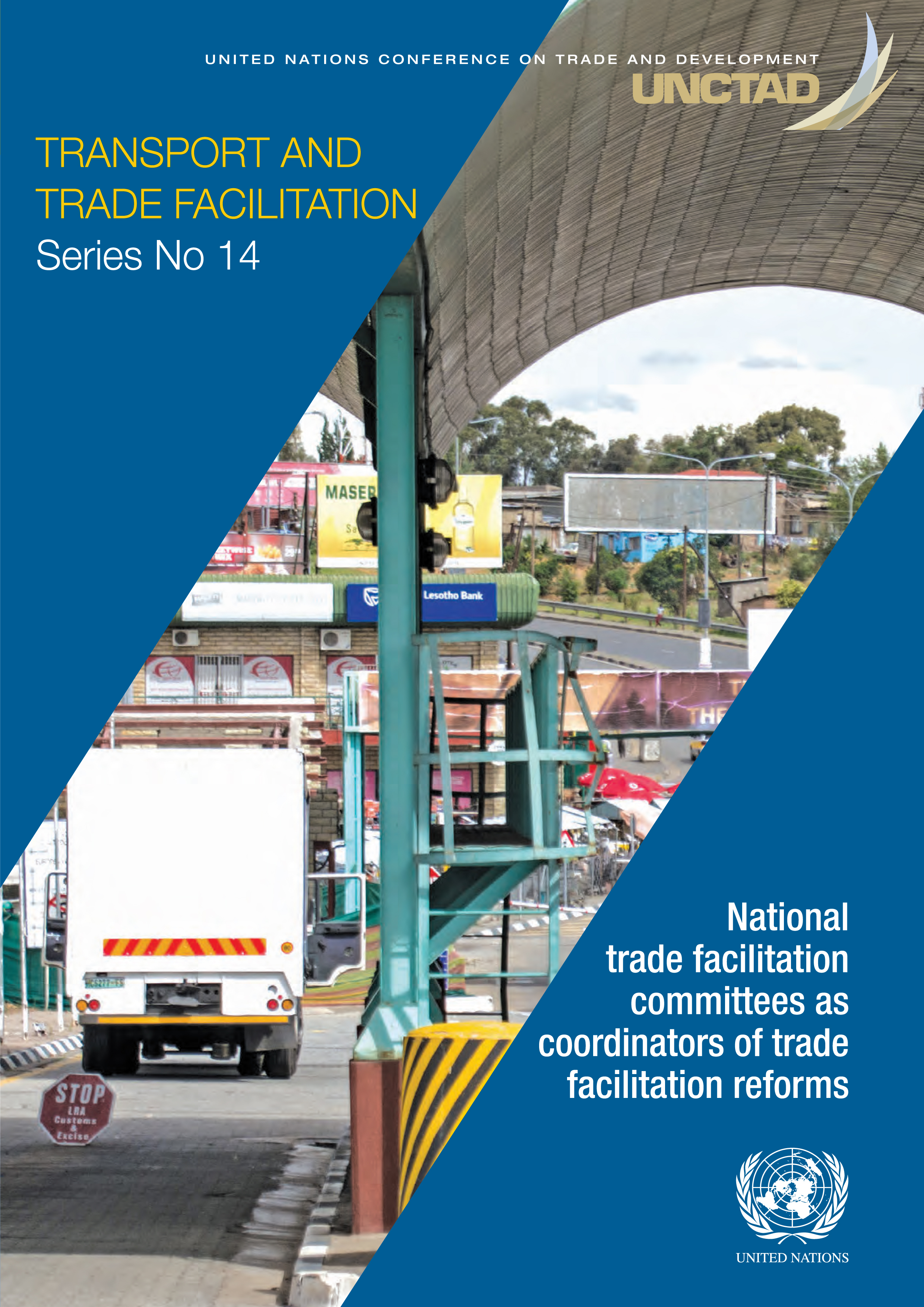
National Trade Facilitation Committees as Coordinators of Trade Facilitation Reforms
Plus MoinsNational Trade Facilitation Committees (NTFCs) have been transformed from being largely unknown institutional bodies to leading governments’ trade facilitation efforts and policy agendas for cross border trade. Yet so much remains to be done to adequately position these committees as the drivers of trade facilitation measures and harness their multistakeholder potential for trade facilitation reforms. Various Trade Facilitation Bodies had been formed since the 1970s, but it was not until the negotiations and entry into force of the WTO Trade Facilitation Agreement (TFA) that common challenges of institutional setups for trade efforts in many countries became apparent. This created urgency for the strengthening of NTFCs across the world as leading coordination mechanism for coherent and all-inclusive trade facilitation policy reforms. UNCTAD has been an implementing partner of many countries on trade facilitation measures over the years. This study updates, builds and expands upon previous UNCTAD studies.
-
-
-
National Trade Facilitation Committees in the Quest for Sustainability
Plus MoinsNational Trade Facilitation Committees (NTFCs) are the coordinating bodies for trade facilitation initiatives at national level. They have existed in different forms in a limited number of countries since the 1950s. This report provides an update to previous UNCTAD studies on NTFCs. It is the most extensive and inclusive NTFC publication ever made. It benefits from data from more than 130 countries, representing all continents and levels of development. The study introduces UNCTAD’s novel Sustainability Score for National Trade Facilitation Committees. This Score aims at assessing the sustainability prospects of NTFCs.
-
-
-
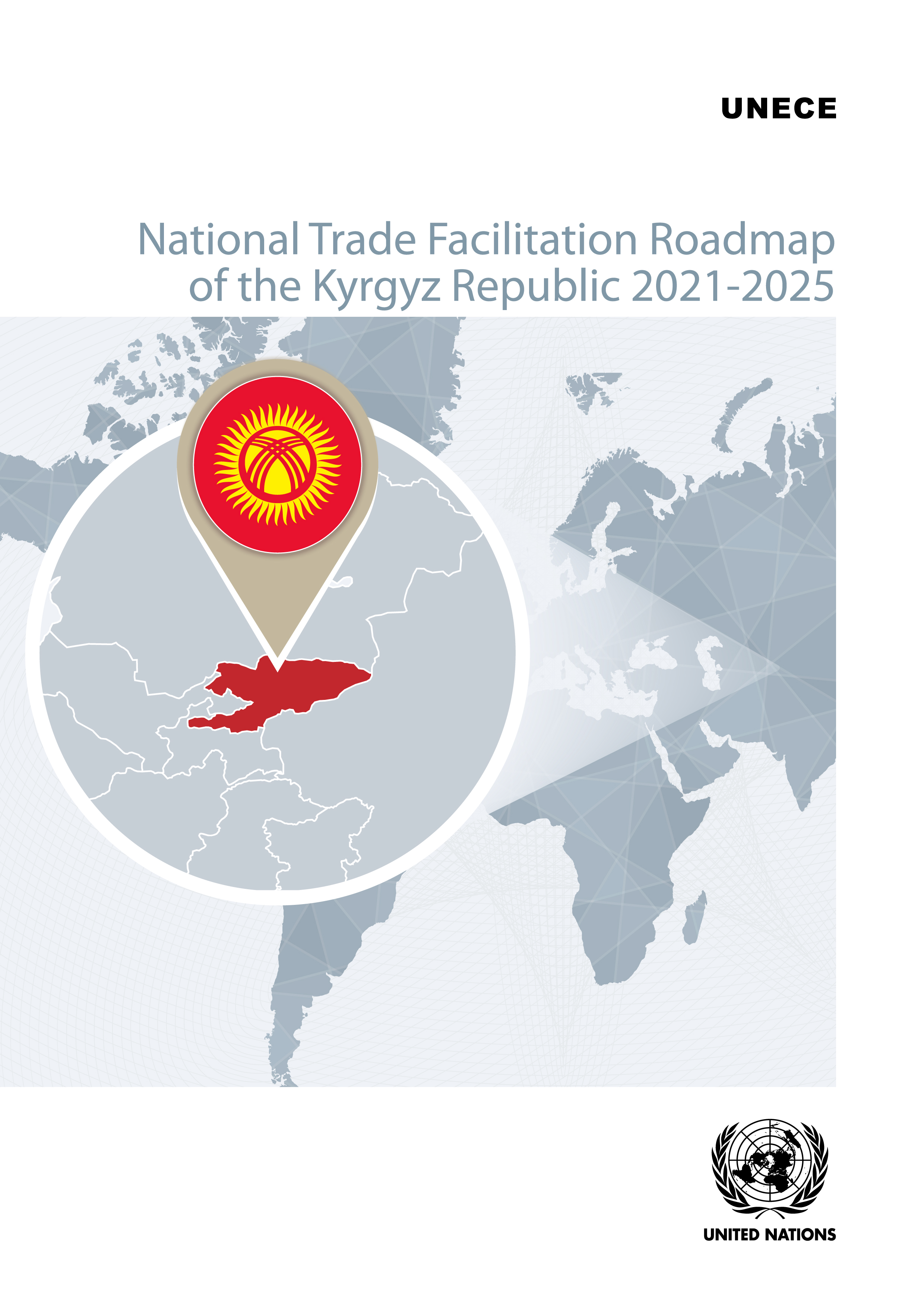
National Trade Facilitation Roadmap of the Kyrgyz Republic 2021-2025
Plus MoinsThe Kyrgyz Republic is committed to enhancing economic growth, restoring trade routes, and especially to tackling the negative impacts of the COVID-19 pandemic, which has affected small and medium enterprises (SME) involved in trade and cargo services. Furthering trade facilitation is one area of priority, as this is crucial to strengthening subregional cooperation and reducing the impediments to moving goods across borders. This Trade Facilitation Roadmap was therefore developed within the framework of the United Nations Economic Commission for Europe (UNECE) project “Strengthening the capacity of the Kyrgyz Republic National Trade Facilitation Council to implement the WTO Trade Facilitation Agreement”, taking into account trade-related solutions to the COVID-19 pandemic and the necessary conditions for accelerating a sustainable economic recovery.
-
-
-
Nationally Determined Contributions (NDC) Global Outlook Report 2021
Plus MoinsClimate ambition is nuanced and context specific – but what is clear is that the most vulnerable countries in the world continue to demonstrate leadership in preparing more ambitious climate pledges under the Paris Agreement, known as Nationally Determined Contributions (or NDCs). This report explores trends emerging from “second-generation” NDCs and identifies who is leading the way and what opportunities are being missed to accelerate climate actions. Findings are informed by the United Nations Development Programme’s Climate Promise support to 120 developing countries on the NDC revision process.
-
-
-
Natural Capital Accounting for Integrated Biodiversity Policies
Plus MoinsThis publication shows how natural capital accounting, in particular the System of Environmental-Economic Accounting (SEEA), can be used to answer a variety of policy questions on biodiversity. This report is aimed at policymakers at various levels, who are responsible for creating or implementing biodiversity policies or policies that are dependent upon or impact biodiversity. This document presents how the SEEA can be used in the formulation of effective biodiversity policy, with a focus on those policies that relate to ecosystems, ecosystem services and species. The report provides several successful examples that are aimed to inspire policymakers in applying the SEEA to inform effective biodiversity policies.
-
-
-
Natural Capital Accounting for Integrated Climate Change Policies
Plus MoinsThis publication shows how natural capital accounting, in particular the System of Environmental-Economic Accounting (SEEA), can contribute to informing climate change policies. In particular, this report is aimed at policymakers at various levels who are responsible for creating or implementing climate change policies, including mitigation, adaptation and disaster response policies. This report also features illustrative case studies to demonstrate how the SEEA can contribute to better climate change policy reaching the goals of the Paris Agreement.
-
-
-
Natural Capital Accounting for Sustainable Macroeconomic Strategies
Plus MoinsThis publication shows how natural capital accounting, in particular the System of Environmental-Economic Accounting (SEEA), can be used to answer a variety of policy questions on sustainable macroeconomic strategies. This report is aimed at macroeconomic policymakers at various levels, including international organizations and national governments, especially central banks and finance ministries. The report provides several successful examples that are aimed to inspired policymakers in applying the SEEA to inform strategies that ensure sustainable and green long-term growth.
-
-
-
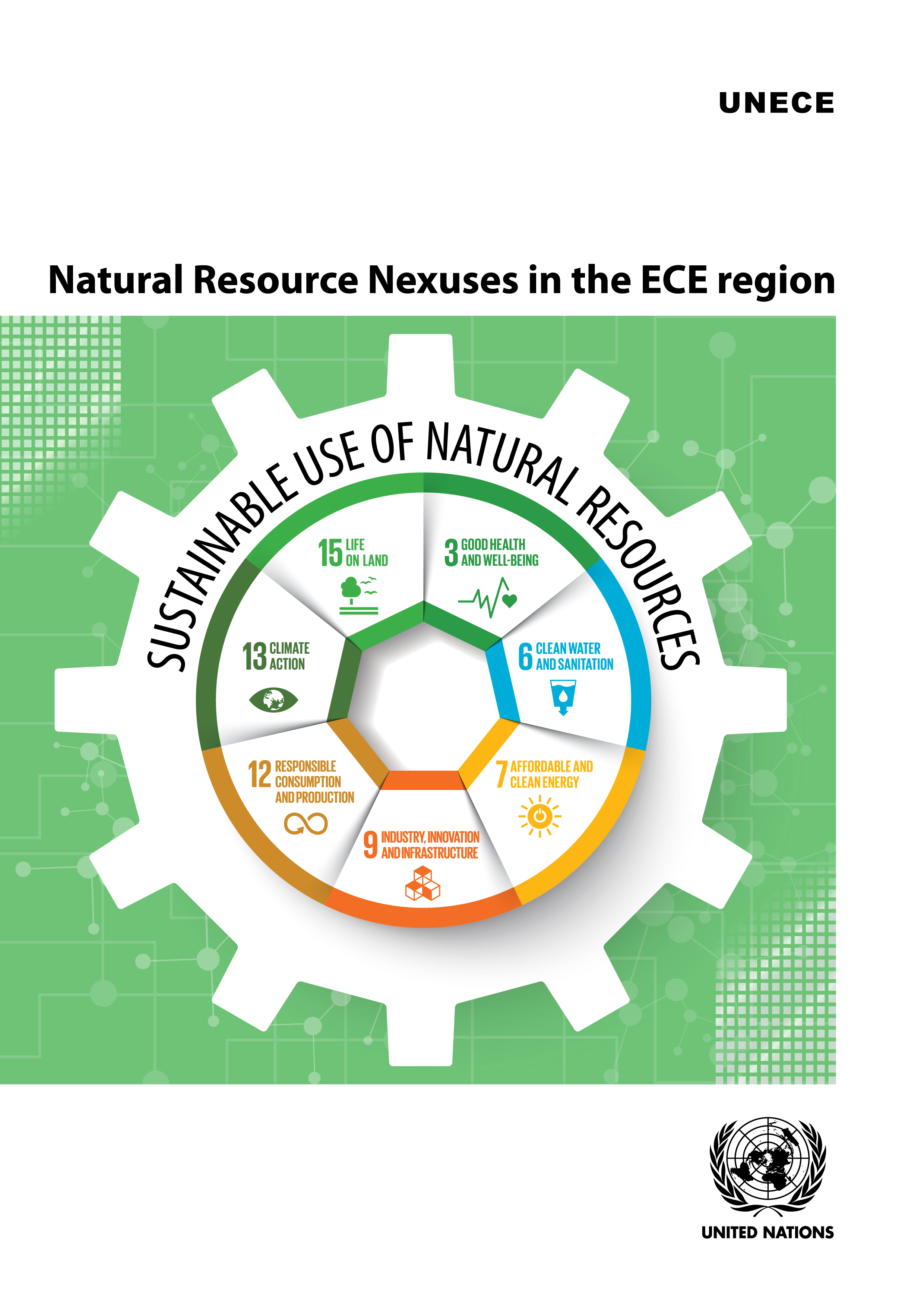
Natural Resource Nexuses in the ECE Region
Plus MoinsThis publication reviews the situation, trends, challenges and main interactions for the five natural resources of the Nexus – water, energy, food, land and materials – from the perspective of the United Nations Economic Commission for Europe (ECE) Region. Increasing demand, changing climates and technologies, growing populations and social inequalities, urbanization, globalization and other megatrends are putting pressure on natural resources in the ECE region and elsewhere. There are many complex policy issues and difficult choices to be made, necessitating a comprehensive nexus approach that can address the interactions and trade-offs involved. This is recognized at the international level where, amongst other things, the integrative character of the 2030 Agenda for Sustainable Development calls for an assessment of the linkages and complementarities but also of the possible conflicts that exist between different Sustainable Development Goals (SDGs) and targets. The Natural Resource Nexus emphasizes the need to view water, energy, food, land, and materials as complex and inter-related entities rather than as separate ones. This approach ensures more integrated and sustainable perspectives of natural resource management and use, beyond the traditional sectoral silos, that can be applied at all scales. It further provides an opportunity to identify and prioritize cross-sectoral and integrative solutions. Statistics, transport and trade, three interlinkages which are very relevant to the Nexus, are also considered here.
-
-
-

Nature for Development
Plus MoinsNature underpins our lives, societies, and economies and is fundamental to achieving our 2030 Agenda. Addressing the nature crisis is essential to eradicating and preventing poverty, reducing inequalities, and protecting human rights. Moreover, nature is a positive source of solutions and hope: a nature-positive transition is central to tackling planetary crises such as climate change. This publication offers entry points to operationalize the opportunity to advance the SDGs through nature. It will help decision-makers and practitioners recognize programming options and make the case for investing in nature to achieve development outcomes. It comprises key facts, figures and talking points about nature through five different practice lenses - Nature for Food Security; Nature for Water Security; Nature for Climate Action; Nature for Gender Equality; Nature for Peace. This is a ‘living’ resource and call to action that will expand to cover more practices.
-
-
-
Near-Earth Objects and Planetary Defence
Plus MoinsForging global partnerships and building resilient societies through better coordination are among the key challenges of the twenty-first century. Given the global consequences of a near-Earth object (NEO) impact and the considerable resources required to prevent a collision, the United Nations, through its Office for Outer Space Affairs (UNOOSA), has been involved in the international discourse and dialogue on the topic of NEOs, raising awareness and promoting global cooperation. Addressing such a hazard, including the identification of objects that pose a threat of impact to Earth, and planning a corresponding mitigation campaign, require cooperative action in the interest of public safety on the part of the global community. Acting as a gateway to space in the United Nations system, UNOOSA is uniquely positioned in intergovernmental cooperation and coordination on outer space activities, and in the broader perspective of space security, including the area of planetary defence. The Office supports and cooperates with two entities established in 2014: the International Asteroid Warning Network (IAWN) and the Space Mission Planning Advisory Group (SMPAG). These two entities came into being through a series of recommendations for an international response to the threat of near-Earth object impact, endorsed by the United Nations Committee on the Peaceful Uses of Outer Space and ultimately recommended by the General Assembly. The aim of these recommendations is to address the global challenge posed by NEOs, beginning with their detection and tracking and, subsequently, deflection and planetary defence.
-
-
-

Nepal Rapid eTrade Readiness Assessment
Plus MoinsThe Nepal Rapid e-Trade Readiness Assessment is the fourth such assessment conducted by UNCTAD. The e-commerce industry in Nepal is at a nascent stage and represents an underexplored market. The fast-increasing Internet penetration, especially in the Kathmandu Valley, has opened opportunities for several e-trade niches. Domestic and foreign players are trying to address the needs of the e-commerce ready population, creating healthy competition, in particular among financial service and payment service providers. This marked increase in demand for e-commerce in Nepal is attributed to a growing segment of the population that is young, educated and technology-dependent. Sectors benefiting from this e-commerce development includes retail, mobile operators and payment sectors. Despite these promising trends, e-commerce is currently not achieving its full development potential in Nepal. E-commerce could become a key contributor to economic growth and foreign trade in years to come, thanks to better ICT infrastructure and innovation. The steady rise of Internet use in Nepal has improved accessibility of e-commerce for the population. As of April 2017, Internet penetration was at 58 per cent, from 8 per cent in 2010. Most consumers in Nepal access the Internet through 2G or 3G mobile data services.
-
-
-
Neutral Policies, Uneven Impact
Plus MoinsNon-tariff measures (NTMs) are trade policy measures designed to achieve public policy objectives such as protecting public health, consumer safety, and the environment. While NTMs often bear high trade costs such as having high information, implementation, and compliance cost, they are usually necessary for achieving economic, social, and other policy goals to ensure product safety and quality for consumers. Based on the review of a list of literature, case studies, and anecdotes, this study has looked at the gendered impacts of NTMs on women as traders/entrepreneurs, workers, and consumers, respectively, and aims to propose ways in which NTMs related project design, implementation and monitoring can be approached with a gendered lens.
-
-
-

New Threats to Human Security in the Anthropocene
Plus MoinsNew data and analysis in the report, New Threats to Human Security in the Anthropocene, shows that people’s sense of safety and security is at a low in almost every country, including the richest countries, despite years of upwards development success. Those benefiting from some of the highest levels of good health, wealth, and education outcomes are reporting even greater anxiety than 10 years ago. To tackle this disconnect between development and perceived security, the report calls for greater solidarity across borders and a new approach to development; one that allows people to live free from want, fear, anxiety and indignity. The imperative to act now has never been more clear, as new findings also show that global life expectancy at birth is falling for a second year because of COVID-19, and overall human development measures are also moving downward. Furthermore, climate change is likely to become a leading cause of death around the world. Even with moderate mitigation of emissions, some 40 million people might die because of changes in temperatures before the end of the century. The report examines a cluster of threats that have shifted to become more prominent in recent years including those from digital technologies, inequalities, conflicts, and the ability of healthcare systems to tackle new challenges like the COVID-19 pandemic. Addressing these threats will require policy makers to consider protection, empowerment, and solidarity alongside one another so that human security, planetary considerations and human development all work together and not despite each other. This means that solutions for one problem shouldn’t exacerbate other problems. The report also notes the strong association between declining levels of trust and feelings of insecurity. People with higher levels of perceived human insecurity are three times less likely to find others trustworthy.
-
-
-
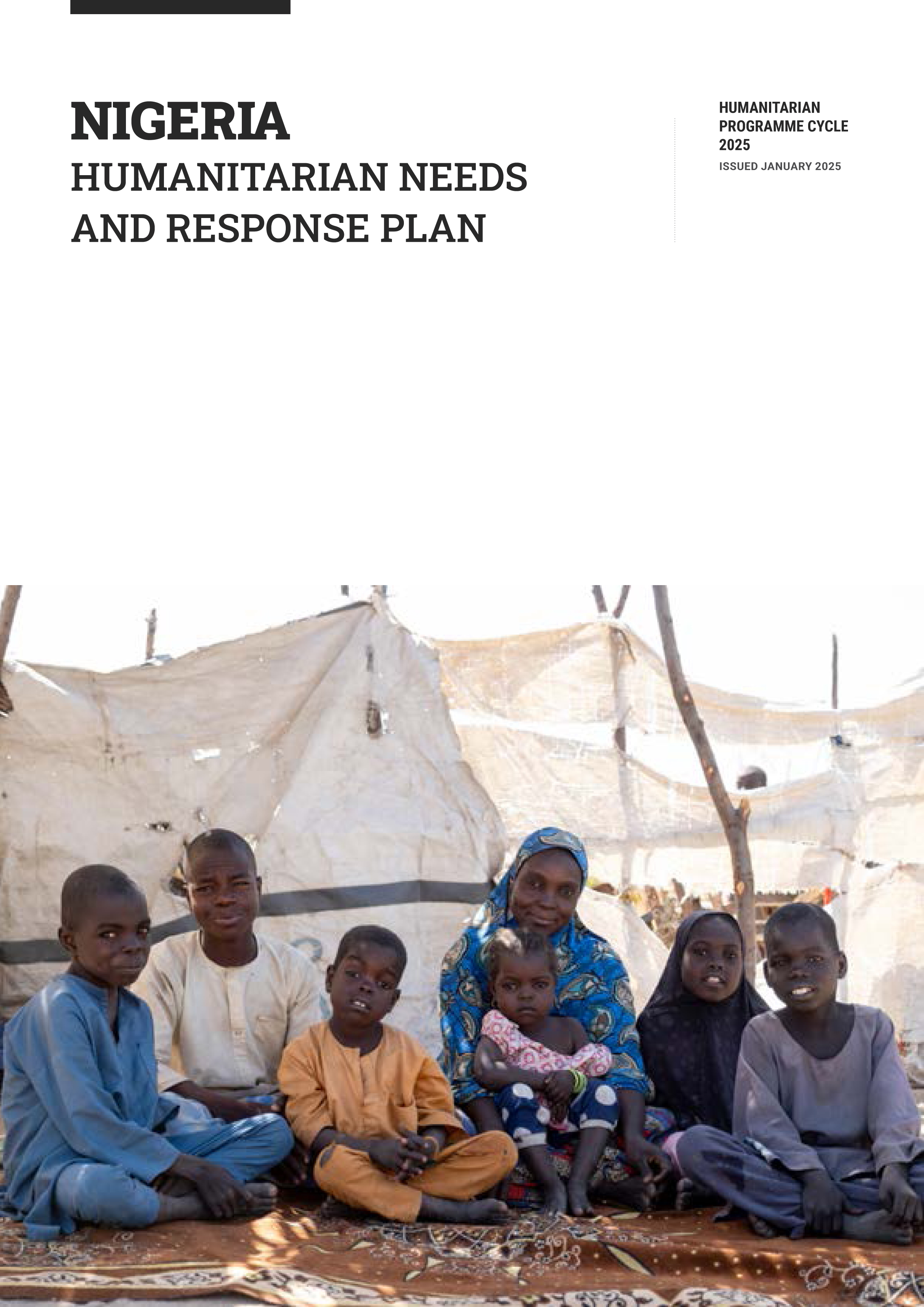
Nigeria Humanitarian Needs and Response Plan 2025
Plus MoinsFifteen years on, the crisis in Borno, Adamawa and Yobe (BAY states) in north-east Nigeria continues unabated. It is characterized by conflict, insecurity and widespread population displacement, driven in large part by the Boko Haram insurgency. It has destroyed critical infrastructure, disrupted agricultural livelihoods – the mainstay of the region – and hindered access to assistance and basic services in some areas, generating an acute protection crisis. Nigeria continues to face extensive humanitarian challenges, with an estimated 33 million people projected to experience food insecurity during the 2025 lean season. Additionally, 1.8 million children Climate change, combined with rapid population growth-Nigeria’s population is projected to reach 400 million by 2050 according to the World Bank - will pose a significant risk, with greater population density in flood prone areas. The impact of climate, ailing infrastructure and poor urban planning have made Nigeria one of Africa's most flood-prone countries. The 2025 Humanitarian Needs and Response Plan for Nigeria (HNRP) is a much shorter document than in previous years. It presents a more succinct narrative and analysis leading up to the outlined response, without compromising the process that generated the evidence including the prioritization and targeting that underpins the Plan.
-
-
-

Niños y niñas desplazados por el cambio climático prepararse para un futuro que ya está aquí
Plus MoinsLos desplazamientos, ya sean de corta duración o prolongados, pueden multiplicar los riesgos relacionados con el clima que corren los niños, las niñas y sus familias. Tras una catástrofe, los niños y niñas pueden quedar separados de sus padres o cuidadores, lo que aumenta el peligro de que sean víctimas de la explotación, la trata y el abuso. Los desplazamientos pueden interrumpir el acceso a la educación y la atención sanitaria, exponiendo a los niños y niñas a la desnutrición, las enfermedades y la falta de una vacunación adecuada. Para obtener más información sobre el creciente número de niños y niñas desplazados por fenómenos meteorológicos cada vez más intensos y frecuentes, e identificar a quienes corren mayor riesgo, el Fondo de las Naciones Unidas para la Infancia (UNICEF) y el Observatorio de Desplazamiento Interno (IDMC), en colaboración con la Fundación Patrick J. McGovern, analizaron los desplazamientos infantiles vinculados a desastres meteorológicos ocurridos entre 2016 y 2021 y –basándose en el modelo de riesgo del IDMC–estimaron el riesgo de desplazamiento infantil en el futuro. El informe analiza los peligros meteorológicos más comunes que provocan el mayor número de desplazamientos: inundaciones, tormentas, sequías e incendios forestales. En conjunto, estos peligros representan más del 99% de todos los desplazamientos relacionados con el clima registrados por el IDMC desde 2016, mientras que peligros como el calor extremo, la erosión y los deslizamientos de tierra, constituyen el resto3. Debido a la falta de datos disponibles, el análisis no evalúa toda la gama de fenómenos meteorológicos que pueden contribuir a los desplazamientos, especialmente en lo que atañe a los procesos climáticos de evolución más lenta. Por lo tanto, estos resultados representan estimaciones conservadoras, y es probable que el número real de desplazamientos infantiles relacionados con el clima sea mucho mayor.
-