


1 - 50 of 490 results
-
-

United Nations Demographic Yearbook 2013
More LessDemographic Yearbook 2013 is the sixty-fourth in a series published since 1948. Through the cooperation with the National Statistical Offices, official demographic statistics are compiled in the Year book, as available, for more than 230 countries and areas of the world up to the reference year 2013. This edition of the Yearbook contains chapters on the population size and distribution, the population of capital cities, fertility, foetal mortality, infant and maternal mortality, general mortality, nuptiality and divorce.
-
-
-
United Nations Demographic Yearbook 2007
More LessThe 2007 edition of the Demographic Yearbook provides statistics on population size and composition, fertility, mortality, infant and foetal mortality, marriages and divorces. It also includes a detailed set of technical notes and footnotes explaining the sources, availability, timeliness, quality, reliability and coverage of the data presented. Data have been collected from national statistical authorities since 1948 through a set of questionnaires dispatched annually by the United Nations Statistics Division to over 230 national statistical offices. The primary sources of the data reported in the Demographic Yearbook are national population and housing censuses, population-related statistics from national administrative recording systems and population and household surveys reported by national statistical authorities.
-
-
-
United Nations Demographic Yearbook 2020
More LessDemographic Yearbook 2020 is the seventy-first issue edition in a series published since 1948. Through the cooperation with the National Statistical Offices, official demographic statistics are compiled in the Yearbook, as available, for more than 230 countries and areas of the world up to the reference year 2020. This edition of the Yearbook contains chapters on the population size and distribution, the population of capital cities, fertility, foetal mortality, infant and maternal mortality, general mortality, nuptiality and divorce.
-
-
-
United Nations Demographic Yearbook 2022
More LessThe Demographic Yearbook 2022 is the seventy-third issue in a series published by the United Nations since 1948. It contains tables on a wide range of demographic statistics, including a world summary of selected demographic statistics, statistics on the size, distribution and trends in national populations, fertility,fetal mortality, infant and maternal mortality, general mortality, nuptiality and divorce. Data are shown by urban/rural residence, as available. The volume provides Technical Notes, a synoptic table, a historical index and a listing of the issues of the Demographic Yearbook published to date. This issue of Demographic Yearbook contains data as available including reference year 2022.
-
-
-

United Nations Demographic Yearbook 2023
More LessThe Demographic Yearbook 2023 is the seventy-fourth issue in series published by the United Nation since 1948. It contains tables on a wide range of demographic statistics, including a world summary of selected demographic statistics, statistics on the size, distribution and trends in national populations, fertility, fetal mortality, infant and maternal mortality, general mortality, nuptiality and divorce. Data are shown by urban/rural residence, as available. The volume provides Technical Notes, a synoptic table, a historical index and a listing of the issues of the Demographic Yearbook published to date. This issue of Demographic Yearbook contains data as available including the reference year 2023.
-
-
-
United Nations Demographic Yearbook 2024
More LessThe Demographic Yearbook 2024 is the seventy-fifth issue in a series published by the United Nations since 1948. It contains tables on a wide range of demographic statistics, including a world summary of selected demographic statistics, statistics on the size, distribution and trends in national populations, fertility, fetal mortality, infant and maternal mortality, general mortality, nuptiality and divorce. Data are shown by urban/rural residence, as available. The volume provides Technical Notes, a synoptic table, a historical index and a listing of the issues of the Demographic Yearbook published to date. This issue of Demographic Yearbook contains data as available including reference year 2024.
-
-
-

The UNCTAD Model Law on Competition After 30 Years - Some Reflections
More LessUNCTAD Model Law on Competition (Model Law) has been developed by member States’ representatives gathered in UNCTAD intergovernmental meetings to provide guidance on competition legislations, particularly for developing countries that are not familiar with this field, recognizing their interest to be able to take appropriate actions towards anticompetitive practices. The discussion on the Model Law in UNCTAD dates back to the 1970s, when only around 20 jurisdictions in the world had competition laws and authorities, and most were developed countries. This publication revisits the Model Law from different angles; the origin and history of the Model Law, as well as its negotiation are discussed. Testimonials from young competition authorities from developing countries share the relevance of the Model Law in the drafting of their own competition laws and refer to the implications of the Model Law to developing countries.
-
-
-
The United Nations Convention on the Law of the Sea at 40
More LessTo commemorate, in 2022, the fortieth anniversary of the adoption and opening for signature of the 1982 United Nations Convention on the Law of the Sea, this publication reflects on the Convention’s successful contribution to the promotion of the peaceful uses of the seas and oceans, the equitable and efficient utilization of their resources, the conservation of their living resources, and the study, protection and preservation of the marine environment. The publication focuses on the historical achievements of the Convention.
-
-
-

The United Nations Set of Principles and Rules on Competition: Implementation after 40 Years
More LessUnited Nations Conference on Trade and Development celebrates its 60th anniversary in 2024. We would like to celebrate this milestone with a publication about the UN Set of Principles and Rules on Competition and its influence in the adoption and implementation of competition law and policy by developing countries across the globe. International experts and scholars experienced on Competition law and policy and development as well as regular partners of UNCTAD in this field from developed and developing countries have been invited to comment on the UN Set and its impact. The publication addresses how the UN Set has shaped the legal and institutional competition in developing countries and takes stock of competition law and policy enforcement experiences by member States. The publication attempts to address the gaps and identify the tools to adopt in order to make the UN Set remain valid in the midst of changes in market dynamics.
-
-
-
The United Nations Standard Minimum Rules for the Treatment of Prisoners (the Nelson Mandela Rules)
More LessThe following rules are not intended to describe in detail a model system of penal institutions. They seek only, on the basis of the general consensus of contemporary thought and the essential elements of the most adequate systems of today, to set out what is generally accepted as being good principles and practice in the treatment of prisoners and prison management.
-
-
-
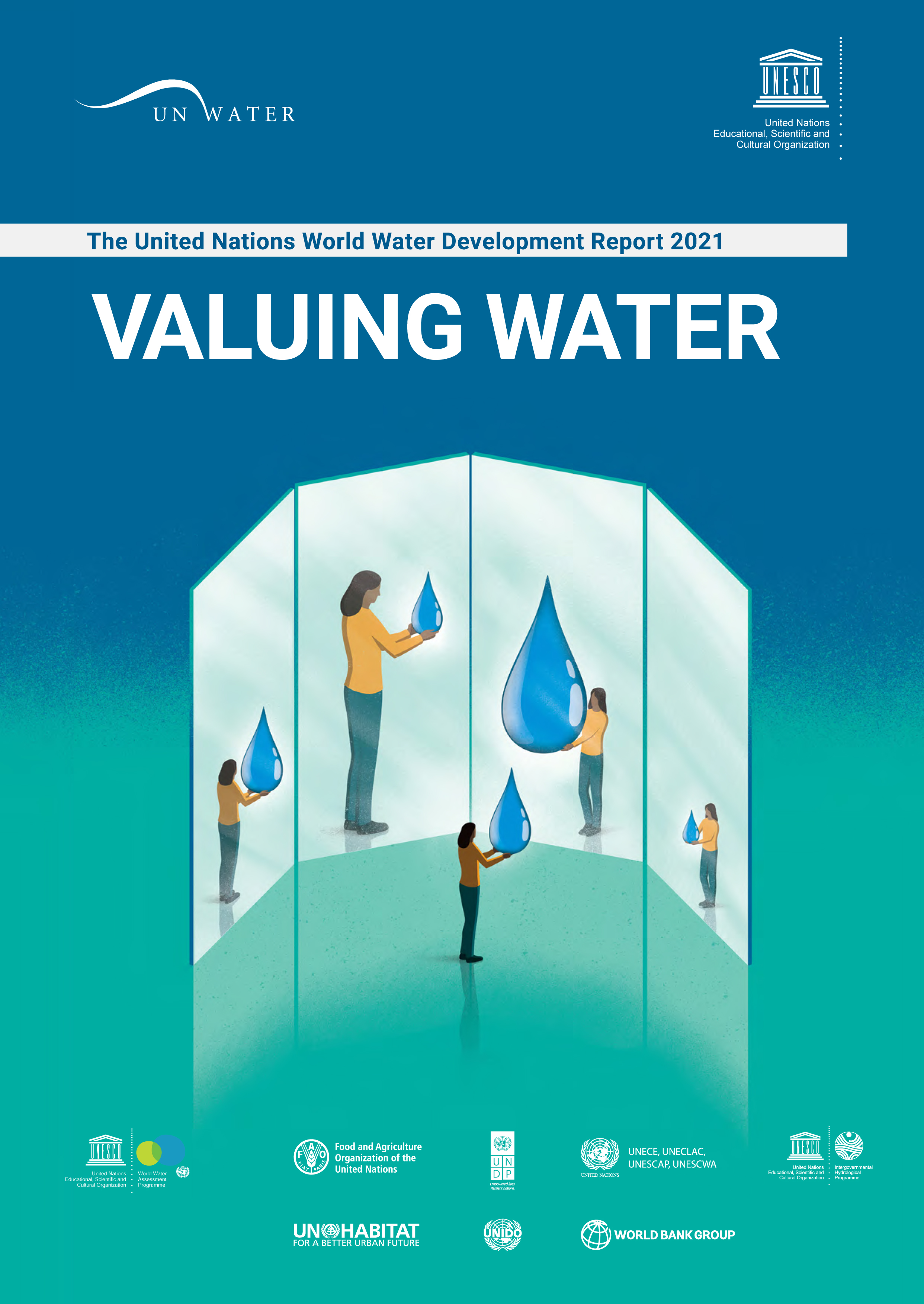
The United Nations World Water Development Report 2021
More LessWater is a finite and non-substitutable resource. As the foundation of life, societies and economies, it carries multiple values and benefits. But unlike most other natural resources, it has proven extremely difficult to determine its true ‘value’. The 2021 edition of the United Nations World Water Development Report, titled “Valuing Water” assesses the current status of and challenges to the valuation of water across different sectors and perspectives and identifies ways in which valuation can be promoted as a tool to help improve its management and achieve global sustainable development.
-
-
-
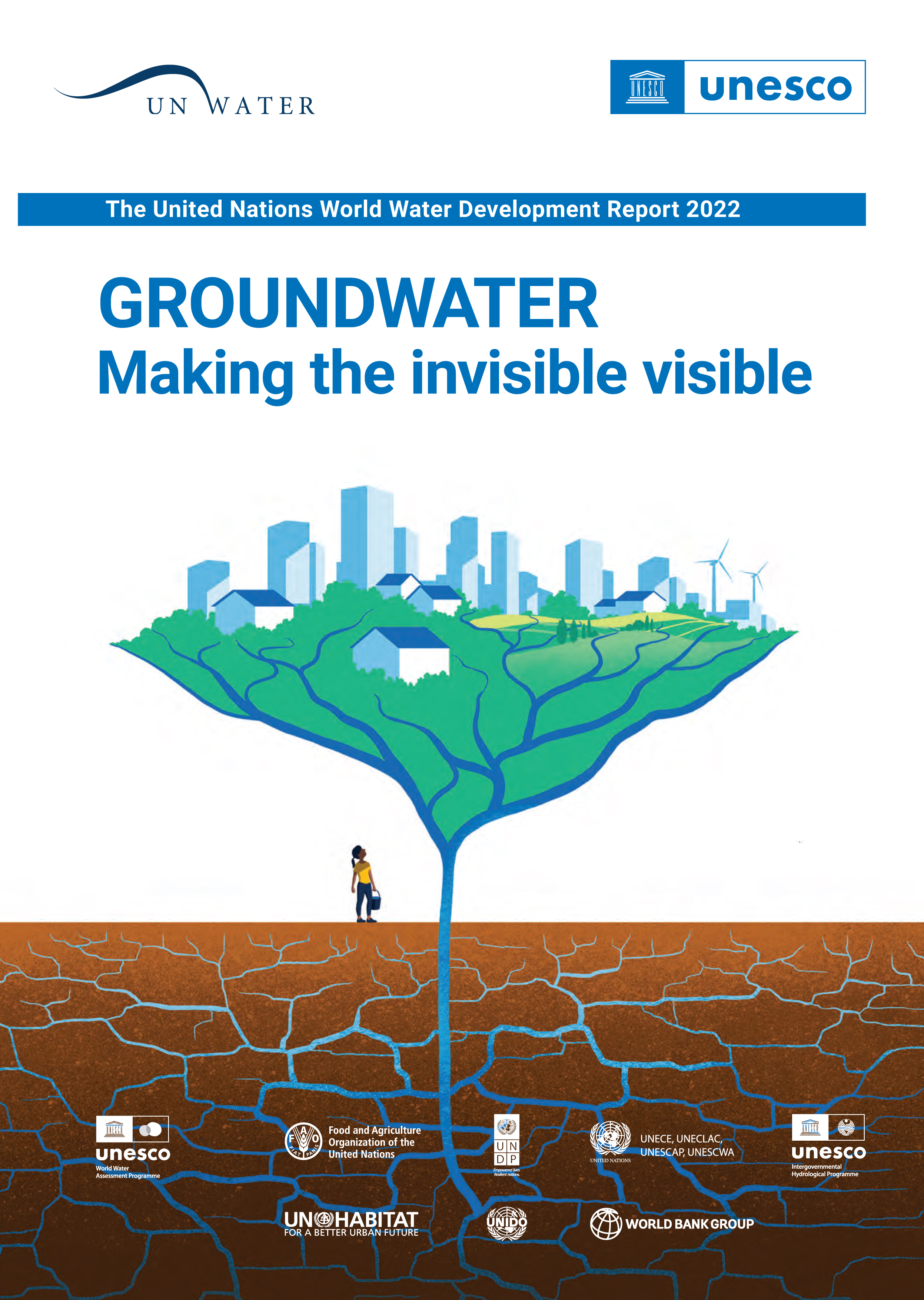
The United Nations World Water Development Report 2022
More LessAccounting for approximately 99% of all liquid freshwater on Earth, groundwater has the potential to provide societies with tremendous social, economic and environmental benefits and opportunities. However, this natural resource is often poorly understood, and consequently undervalued, mismanaged and even abused. In spite of its overall abundance, groundwater remains vulnerable to over-exploitation and pollution, both of which can have devastating effects on the resource and its availability. In the context of growing water scarcity across many parts of the world, the enormous potential of groundwater and the need to manage it sustainably can no longer be overlooked. The 2022 edition of The United Nations World Water Development Report describes the challenges and opportunities associated with the development, management and governance of groundwater across the world.
-
-
-
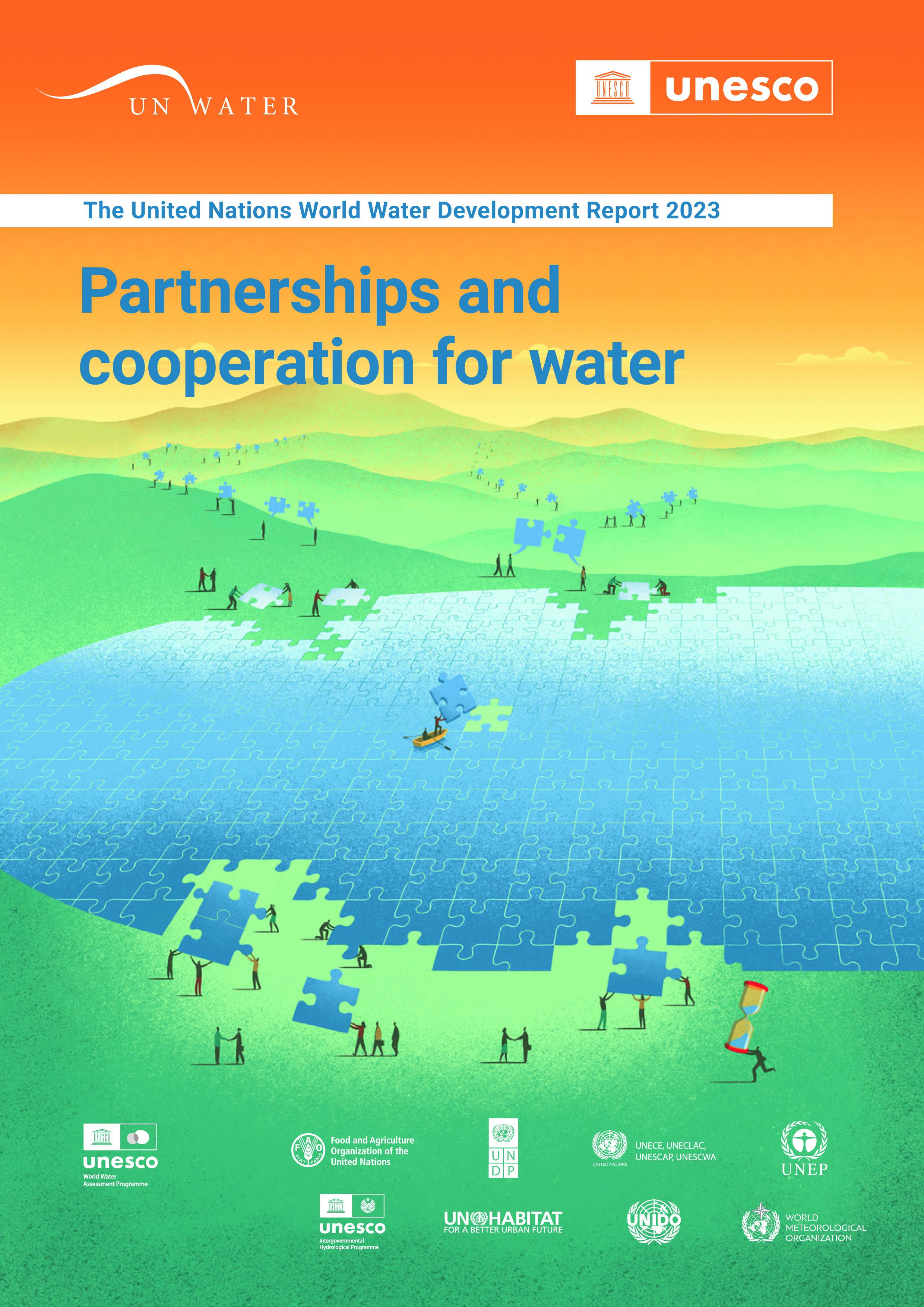
The United Nations World Water Development Report 2023
More LessThis publication describes how building partnerships and enhancing cooperation across every dimension of sustainable development are essential components to accelerating progress towards realizing the human rights to water and sanitation. Partnerships and cooperation take place in almost any water-related endeavour and water resources management has a long history of experience with partnerships, both good and bad. This report reviews this experience, highlighting how enhancing positive and meaningful cooperation amongst the water, sanitation and broader ‘development’ communities is required to accelerate progress.
-
-
-
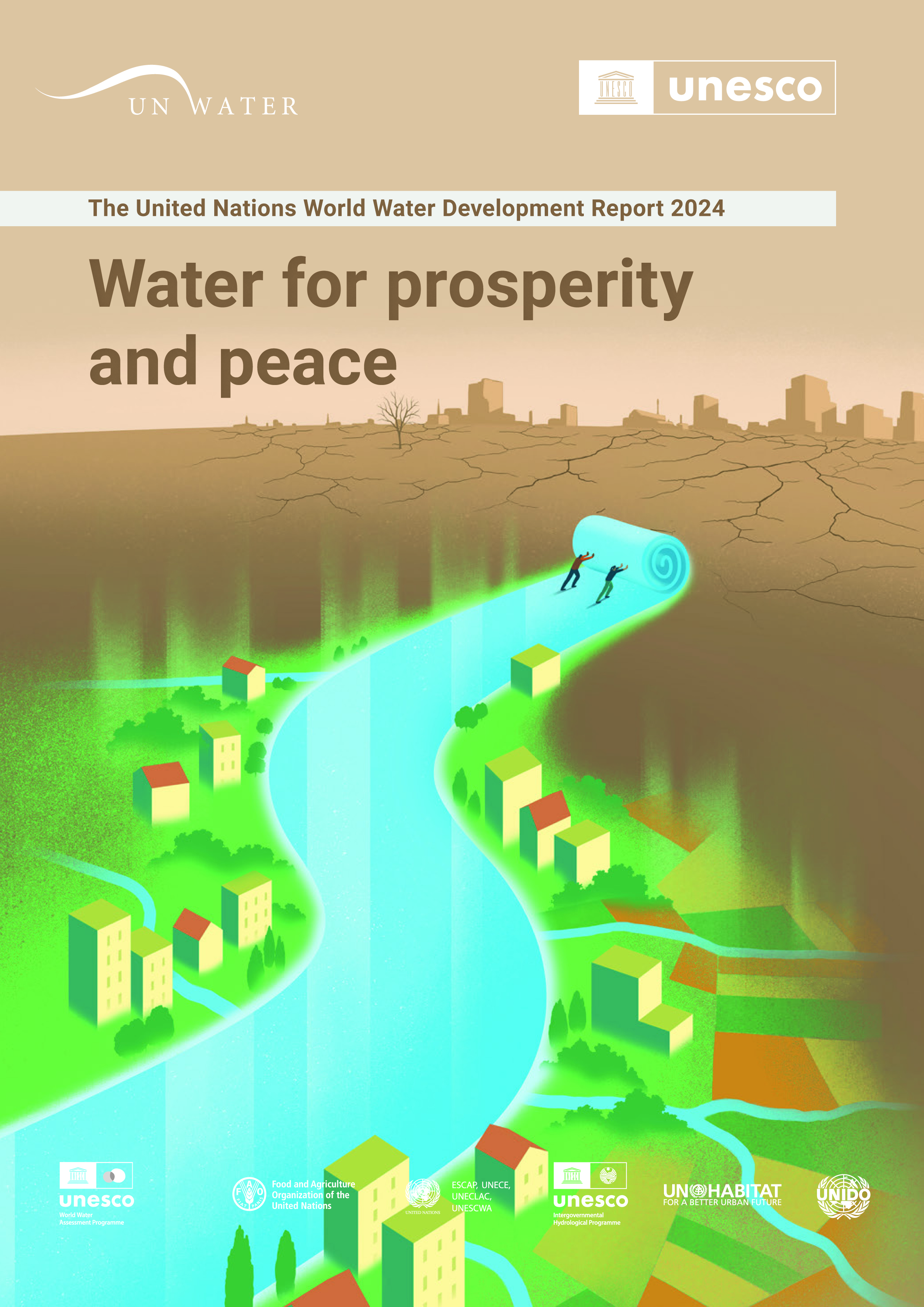
The United Nations World Water Development Report 2024
More LessWater nurtures prosperity by meeting basic human needs, supporting health, livelihoods and economic development, underpinning food and energy security, and defending environmental integrity. Water influences the economy in many ways, and global trade dynamics and market adaptations can have direct repercussions on the water use of regional and local economies. The water-related impacts of conflict are multi-faceted and often indirect, such as those linked to forced migration and increased exposure to health threats. Climate change, geopolitical unrest, pandemics, mass migration, hyperinflation and other crises can exacerbate water access inequalities. In nearly all cases, the poorest and most vulnerable groups are those that suffer the greatest risks to their well-being. The 2024 edition of the United Nations World Water Development Report (UN WWDR) calls attention to the complex and interlinked relationships between water, prosperity and peace, describing how progress in one dimension can have positive, often essential, repercussions on the others.
-
-
-

The United Nations World Water Development Report 2025
More LessThe water resources we receive from mountains are literally melting away before our eyes. Mountains and alpine glaciers – often referred to as the world’s ‘water towers’ – are becoming increasingly vulnerable to climate change and unsustainable human activities, threatening the water resources upon which billions of people and countless ecosystems depend. The United Nations World Water Development Report 2025 – Mountains and glaciers: Water towers, calls attention to the essential services and benefits mountain waters and alpine glaciers provide to societies, economies and the environment. With a focus on the technical and policy responses required to improve water management in mountains, the report covers critical issues such as water supply and sanitation, climate change mitigation and adaptation, food and energy security, industry, disaster risk reduction and ecosystem protection. Addressing the global water crisis begins at the top.
-
-
-
The Utilization of Trade Preferences by COMESA Member States
More LessThe publication is an analysis of the trade data and utilization rates of COMESA Member States on the QUAD countries’ (i.e., Canada, the European Union, Japan, and the United States) GSP preferences as well as the intra-COMESA trade data and their utilization of different REC schemes. The findings should guide the planning and implementation of the necessary reforms and actions to address underutilization; this is especially true when COMESA Member States engage in the AfCFTA.
-
-
-
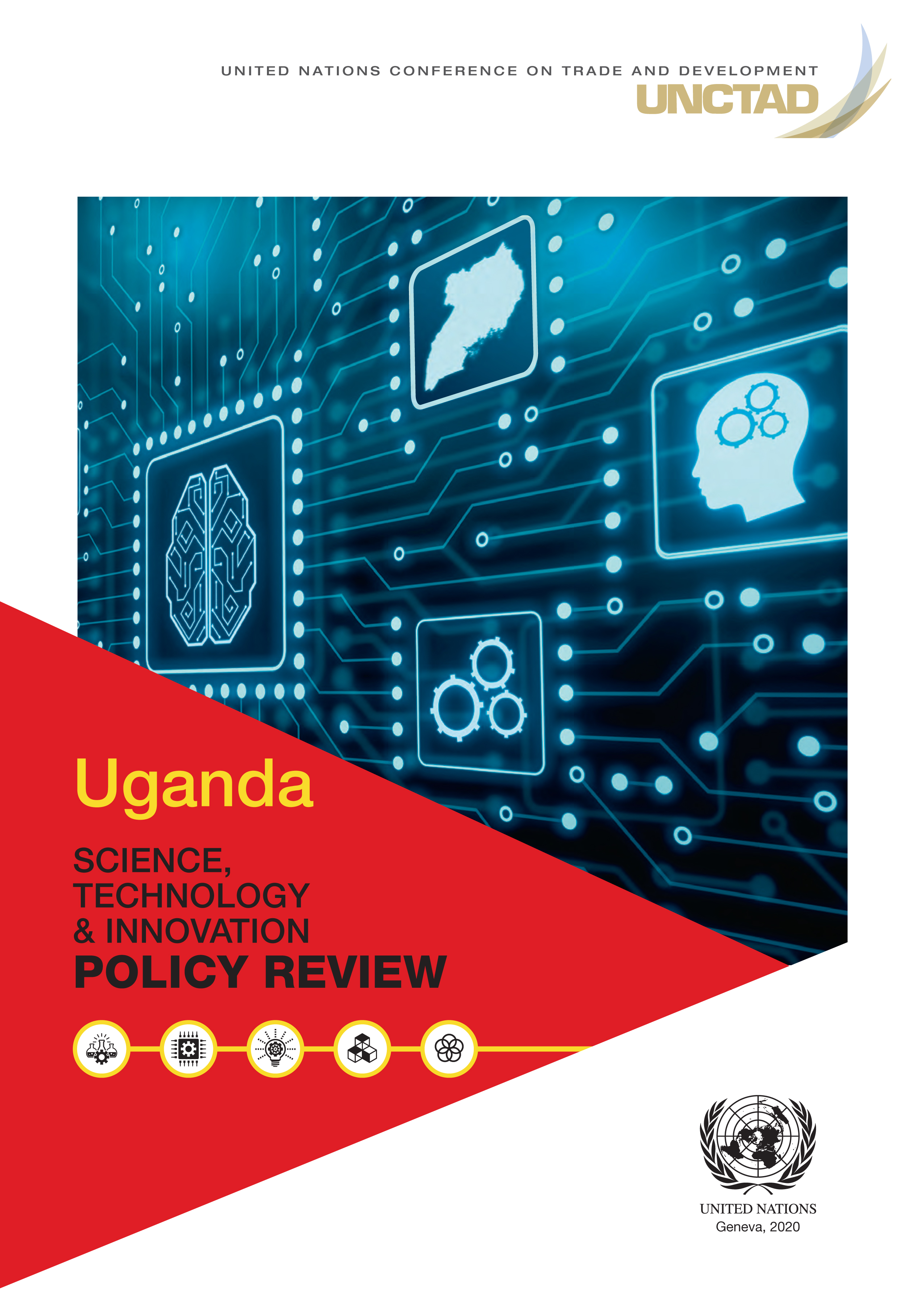
Uganda Science, Technology and Innovation Policy Review
More LessThe Uganda Science, Technology and Innovation Policy Review supports Ugandan development aspirations which require that its national science, technology and innovation (STI) plans and programmes make an effective contribution to its social and economic development. Strengthening national innovation performance is required to improve the competitiveness of Ugandan firms and industries competing in the global economy. Furthermore, like all other countries, Uganda is facing the challenges of Agenda 2030 for Sustainable Development and its 17 Sustainable Development Goals (SDGs). Here, as well, technology and innovation are increasingly important factors of success.
-
-
-
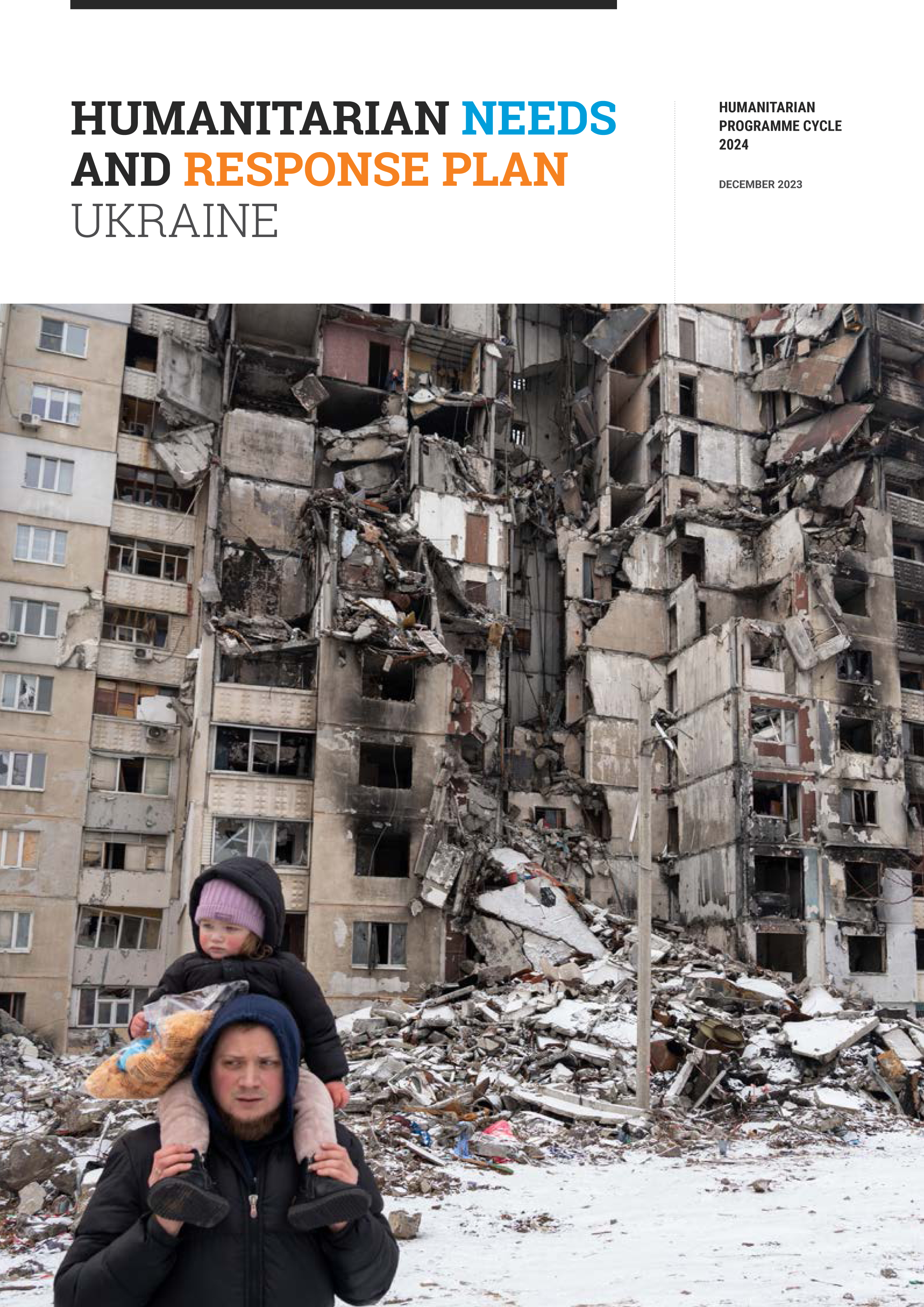
Ukraine Humanitarian Needs and Response Plan 2024
More LessThis document is consolidated by OCHA on behalf of the Humanitarian Country Team and partners. It provides a shared understanding of the impact of the war on the people of Ukraine, including the most pressing humanitarian needs, the estimated number of people who need assistance. It also outlines the strategy to ensure adequate and timely life-saving and life-sustaining response, and the financial request to make humanitarian operations possible.
-
-
-

Ukraine Humanitarian Needs and Response Plan 2025
More LessThis document is consolidated by OCHA on behalf of the Humanitarian Country Team and partners. It provides a shared understanding of the impact of the war on the people of Ukraine, including the most pressing humanitarian needs, the estimated number of people who need assistance. It also outlines the strategy to ensure adequate and timely life-saving and life-sustaining response, and the financial request to make humanitarian operations possible.
-
-
-
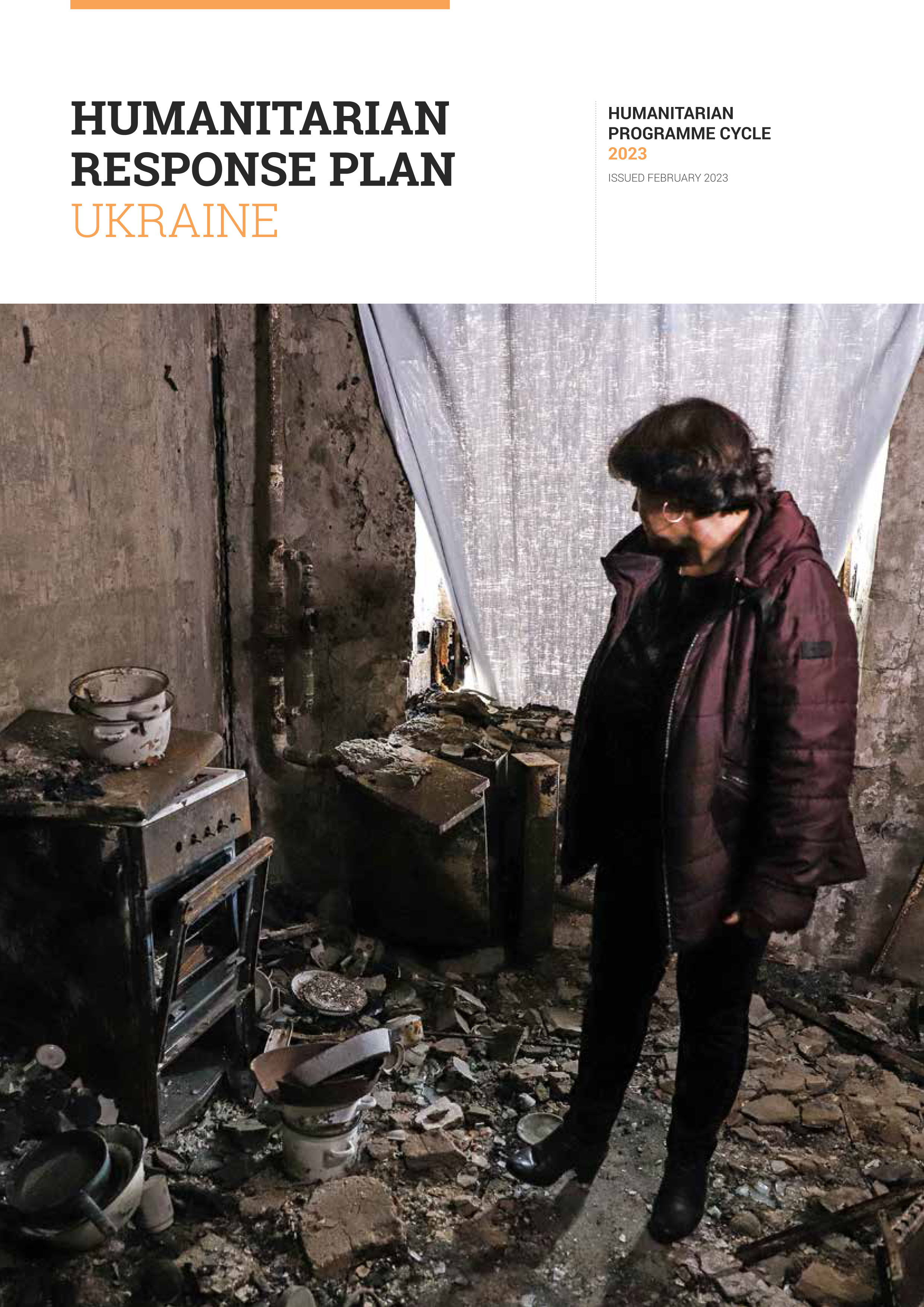
Ukraine Humanitarian Response Plan 2023
More LessThis document is consolidated by OCHA on behalf of the Humanitarian Country Team and partners. The Humanitarian Response Plan is a presentation of the coordinated, strategic response devised by humanitarian agencies in order to meet the acute needs of people affected by the crisis. It is based on, and responds to, evidence of needs described in the Humanitarian Needs Overview.
-
-
-
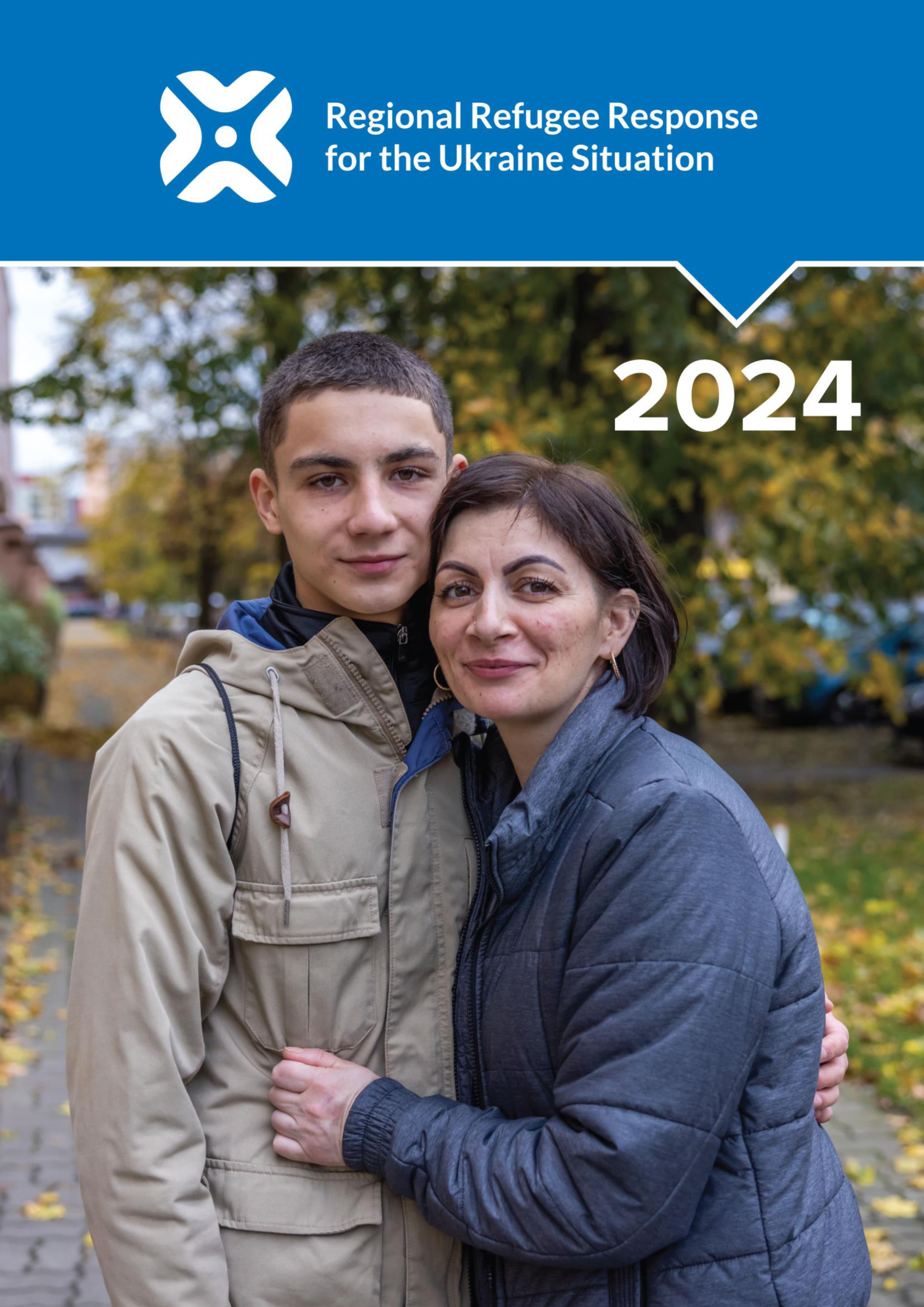
Ukraine Situation: Regional Refugee Response Plan - January-December 2024
More LessThe war in Ukraine has been the fastest growing and largest displacement crisis in Europe since World War II and has precipitated a regional refugee response of commensurate scale. In the nearly two years since the Russian Federation’s large-scale invasion of Ukraine in February 2022, the flow of refugees into neighbouring countries, and beyond, has been met by a remarkable mobilization of assistance – by national and municipal authorities, civil society actors, local volunteers, and refugees themselves, all contributing to ensure protection and meet the essential needs of those fleeing violence. As the refugee response enters its third year in 2024, it continues to address significant needs in host countries, demonstrating an evolving and prolonged situation. Notably, this iteration of the plan reflects the overall ownership of the response and greater investment by host governments in the socio-economic inclusion of refugees.
-
-
-
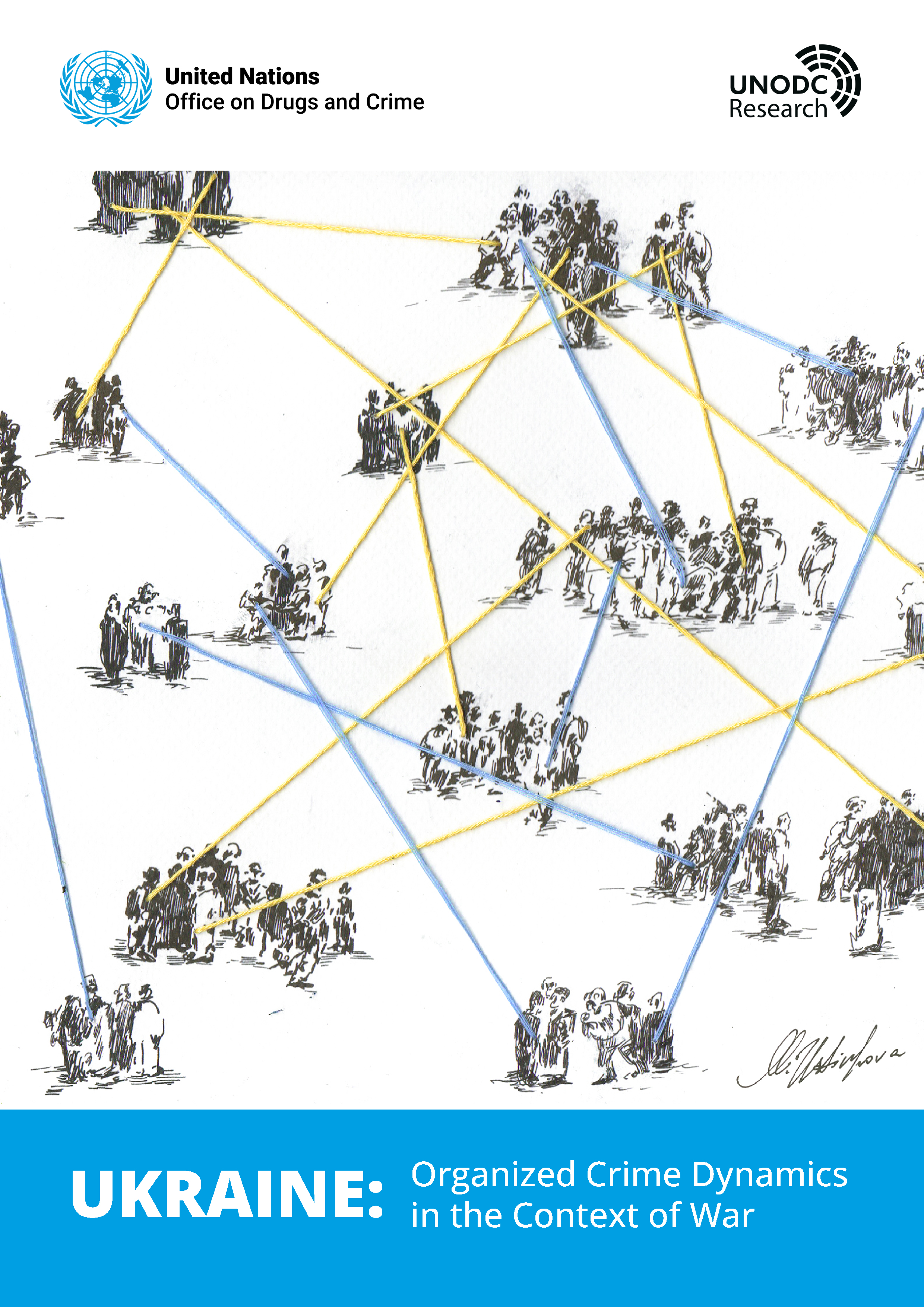
Ukraine: Organized Crime Dynamics in the Context of War
More LessSince the full-scale invasion of Ukraine by the Russian Federation in February 2022, the political economy of Ukraine has been profoundly transformed. The aggression affected both licit and illicit trade routes, disrupted criminal organizations, and spawned new forms of informal and illicit exchange at the frontline and in the rear of the country. It has also led to the emergence of new challenges, such as the development of new skills and technologies that could be exploited by transnational organized crime. This report aims to address the following overarching questions: how has the ongoing war against Ukraine affected organized crime and illicit markets in Ukraine, and what are the possible implications for the country, the region and the international community? These questions are addressed through research into the following six areas: Organized crime structures and their evolution; Drug supply and demand, including production and trafficking; Online scams, and cyber and telephone fraud; Arms trafficking; Economic crime, including smuggling of cigarettes and custom fraud; Trafficking in persons; The facilitation of illegal exit and draft evasion. To address the overarching research question about the effects of the war on organized crime and illicit markets, the chapters compare data for the pre-war and post-invasion periods. The report covers the period of January 2021 to June 2024, with background data for 2019-2020 and preceding periods where available and relevant, used for contextualization. It is based on desk research and in-country fieldwork, with analysis of publicly available official statistics and secondary literature, court decisions and key informant interviews. Field data collection and analysis were conducted from December 2023 to June 2024 (see Annex A for more details). The overall purpose of this research is to provide an evidence base to the government of Ukraine and national agencies involved in responding to organized crime, the United Nations (UN) and other international organizations, and other UN Member States, for countering crime-related challenges emerging out of the war against Ukraine. This research focuses on government-controlled parts of Ukraine. Consideration of alleged war crimes is outside the scope of this research.
-
-
-
UN Vehicle Regulations for Road Safety Cost-benefit Methodology
More LessThis publication introduces methodologies that are used to project the socioeconomic utility of applying key UN Vehicle Regulations for improving road safety. It presents an overview of current global road safety statistics, describes methodologies that are used for assessing the impact of vehicle regulations on national road safety performance, and provides examples for their application. It further promotes an evidence-based approach for establishing and applying vehicle safety regulations throughout the world.
-
-
-
Una agenda innovadora de financiamiento para el desarrollo para la recuperación de América Latina y el Caribe
More LessLa crisis mundial de la pandemia de enfermedad por coronavirus (COVID-19) es la peor que se ha registrado desde la Segunda Guerra Mundial. Ha tenido efectos económicos y sociales devastadores en todo el mundo, con mayor intensidad en los países en desarrollo, que probablemente se extenderán en el mediano y largo plazo. América Latina y el Caribe ha sido una de las regiones más afectadas del mundo en desarrollo y en 2020 sufrió la peor contracción económica de su historia (-6,8%), lo que ha provocado un aumento significativo de la tasa de desempleo (8,1% y 10,7% en 2019 y 2020, respectivamente, que afecta a 44 millones de personas) y de los niveles de pobreza (que pasó de 185,5 millones de personas en 2019 a 209 millones de personas en 2020). Además, la fuerte caída de la inversión (-20% en términos reales) limitará marcadamente la acumulación futura de capital, así como la capacidad de las economías de la región para generar crecimiento y empleo y recuperarse.
-
-
-

Una amenaza para el progreso
More LessEn las últimas décadas se han registrado notables avances a escala mundial en la reducción del número de muertes de niños y niñas menores de 5 años, desde 93 por cada 1.000 nacidos vivos en 1990 hasta 37 por cada 1.000 nacidos vivos en 2022. Sin embargo, a pesar de estos avances, en la actualidad muchos niños y niñas –y sus posibilidades de disfrutar de buena salud y bienestar a lo largo de su vida– están en peligro por los efectos del cambio climático. Este informe pretende hacer un “balance” exhaustivo de los efectos del cambio climático sobre la infancia a través de seis grandes amenazas para su salud y bienestar: el calor extremo, las sequías, los incendios forestales, las inundaciones y tormentas, la contaminación atmosférica y los cambios en los ecosistemas.
-
-
-

UNAIDS Global AIDS Update 2024
More LessThe report titled The Urgency of Now: AIDS at a Crossroads, demonstrates the HIV response is at a crossroads: success or failure will be determined by which path leaders take. The report shows that the decisions leaders make this year will determine whether AIDS is ended as a public health threat by 2030. Taking the wrong path, by limiting resourcing or clamping down on human rights, would lead the pandemic to continue to grow, costing millions more lives and undermining global health security.
-
-
-

UNAIDS Global AIDS Update 2025
More LessThe 2025 Global AIDS Update, AIDS, Crisis and the Power to Transform, shows that a historic funding crisis is threatening to unravel decades of progress unless countries can make radical shifts to HIV programming and funding. The report highlights the impact that the sudden, large-scale funding cuts from international donors are having on countries most affected by HIV. Yet it also showcases some inspiring examples of resilience, with countries and communities stepping up in the face of adversity to protect the gains made and drive the HIV response forward.
-
-
-

UNCITRAL Legislative Guide on Insolvency Law for Micro- and Small Enterprises
More LessThe Legislative Guide is designed to take the unique characteristics of micro- and small enterprises (MSEs) into account and to respond to the specific needs and circumstances of their financial distress. In particular, MSEs often have intermingled business and personal debts and a centralized governance model in which ownership, control and management overlap. Unlike larger enterprises, MSEs are often unsophisticated in financial, business management, legal and insolvency matters.In addition, they may have strong concerns over stigmatization arising from insolvency, and this might affect their behaviour in the period approaching insolvency. They may also face more obstacles in resolving financial difficulties, particularly if their creditors are disengaged and disinterested to assist, which is often the case because MSE creditors consider that the costs of their efforts may outweigh the benefits.
-
-
-
UNCITRAL Legislative Guide on Key Principles of a Business Registry
More LessThis legislative guide is prepared by UNCITRAL to promote an enabling legal environment for micro, small and medium-sized enterprises (MSMEs). The guide is based on the premise that it is in the interests of States and of MSMEs that such businesses operate in the formal economy. This guide also reflects the idea that entrepreneurs that have not yet commenced a business may be persuaded to do so in the formal economy if the requirements for formally starting their business are not considered overly burdensome, and if the advantages for doing so outweigh their interest in operating in the informal economy. The guide includes best practices from various parts of the world and 58 recommendations aiming at assisting States in streamlining their business registration procedures.
-
-
-
UNCITRAL Legislative Guide on Limited Liability Enterprises
More LessThis Legislative Guide provides legislative recommendations and relevant commentary on the establishment and operation of simplified forms of limited liability enterprises, which are particularly suitable for micro, small and medium-sized enterprises.
-
-
-
UNCITRAL Legislative Guide on Public-Private Partnerships
More LessThe Model Legislative Provisions and the Legislative Guide on Public-Private Partnerships were prepared by the United Nations Commission on International Trade Law (UNCITRAL) and adopted at its fifty-second session (Vienna, 8-19 July 2019). In addition to representatives of member States of the Commission, representatives of many other States and of several international organizations, both intergovernmental and non-governmental, participated actively in the preparatory work. The Model Legislative Provisions translate into legislative language the advice given in the recommendations contained in the Legislative Guide. The Model Legislative Provisions are intended to assist in the establishment of a legislative framework favourable to public-private partnerships (PPPs). The Model Legislative Provisions follow the corresponding notes in the Legislative Guide, which offer an analytical introduction with references to financial, regulatory, legal, policy and other issues raised in the subject area. The user is advised to read the Model Legislative Provisions together with the Legislative Guide, which provide background information to enhance understanding of the legislative recommendations. The Model Legislative Provisions deal with matters that it is important to address in legislation specifically concerned with PPPs. They do not deal with other areas of law that, as discussed in the Legislative Guide, also have an impact on PPPs. Moreover, the successful implementation of PPPs typically requires various measures beyond the establishment of an appropriate legislative framework, such as adequate administrative structures and practices, organizational capability, technical expertise, appropriate human and financial resources and economic stability.
-
-
-

UNCITRAL Model Law on Automated Contracting with Guide to Enactment
More LessThe UNCITRAL Model Law on Automated Contracting is aimed at facilitating the use of automation in contracts, including through the deployment of artificial intelligence (AI) techniques and “smart contracts”, as well as in machine-to-machine transactions. The Model Law provides legislators with a set of internationally acceptable rules to overcome legal obstacles to automated contracting. This publication contains the text of the Model Law on Automated Contracting and its guide to enactment. The guide to enactment draws on preparatory work within UNCITRAL to provide detailed article-by-article remarks to assist those involved in studying or applying the model law.
-
-
-
UNCITRAL Model Law on the Use and Cross-border Recognition of Identity Management and Trust Services
More LessThis publication contains the text and the explanatory note of the UNCITRAL Model Law on the Use and Cross-border Recognition of Identity Management and Trust Services. This is the first model law at the global level that offers guidance on laws that enable identifying persons online and providing assurance of quality of data messages. Online identification and assurance of data quality are building blocks of the digital world and their international use is critical to ensure seamless cross-border dataflows. The explanatory note offers a detailed illustration of the 27 articles of the Model Law, building on the travaux préparatoires.
-
-
-
UNCITRAL Model Legislative Provisions on Public-Private Partnerships
More LessThe Model Legislative Provisions and the Legislative Guide on Public-Private Partnerships were prepared by the United Nations Commission on International Trade Law (UNCITRAL) and adopted at its fifty-second session (Vienna, 8-19 July 2019). In addition to representatives of member States of the Commission, representatives of many other States and of several international organizations, both intergovernmental and non-governmental, participated actively in the preparatory work. The Model Legislative Provisions translate into legislative language the advice given in the recommendations contained in the Legislative Guide. The Model Legislative Provisions are intended to assist in the establishment of a legislative framework favourable to public-private partnerships (PPPs). The Model Legislative Provisions follow the corresponding notes in the Legislative Guide, which offer an analytical introduction with references to financial, regulatory, legal, policy and other issues raised in the subject area. The user is advised to read the Model Legislative Provisions together with the Legislative Guide, which provide background information to enhance understanding of the legislative recommendations. The Model Legislative Provisions deal with matters that it is important to address in legislation specifically concerned with PPPs. They do not deal with other areas of law that, as discussed in the Legislative Guide, also have an impact on PPPs. Moreover, the successful implementation of PPPs typically requires various measures beyond the establishment of an appropriate legislative framework, such as adequate administrative structures and practices, organizational capability, technical expertise, appropriate human and financial resources and economic stability.
-
-
-
UNCITRAL, HCCH and Unidroit Legal Guide to Uniform Instruments in the Area of International Commercial Contracts, with a Focus on Sales
More LessThe Guide offers an overview of the uniform law instruments in the area of international commercial contracts. Chapters I and II provide information on the origin and purpose, scope and approach, and intended readership of the Guide. Chapter III deals with issues of private international law, namely the determination of the law applicable to international commercial contracts, whether chosen or not by the parties. Reference is made to the texts prepared by the Hague Conference on Private International Law, specifically the HCCH Principles on Choice of Law in International Commercial Contracts. Chapter IV deals with the uniform law of international sales, discussing in particular the provisions of the United Nations Convention on Contracts for the International Sale of Goods, the Convention on the Limitation Period in the International Sale of Goods and the UNIDROIT Principles of International Commercial Contracts, and their interaction. Chapter IV also contains a reference to regional uniform texts and to model contracts based on uniform texts. Chapter V contains a summary of recurring legal issues that arise frequently in connection with sales contracts and how they are addressed in uniform law instruments.
-
-
-

UNCTAD 15 Documento Final
More LessEl decimoquinto período de sesiones de la Conferencia de las Naciones Unidas sobre Comercio y Desarrollo se celebró en un formato híbrido (virtual y físico), en Bridgetown y Ginebra, del 3 al 7 de octubre de 2021. En su sesión plenaria de clausura, la Conferencia adoptó el Espíritu de Speightstown (TD/541/Add.1) y el Pacto de Bridgetown (TD/541/Add.2). El Pacto de Bridgetown forma la base para el trabajo de la UNCTAD hasta la próxima conferencia cuatrienal en 2024. Estos textos se reproducen allí para facilitar la referencia y como una herramienta de trabajo para todos aquellos involucrados en las actividades de la UNCTAD o en áreas de trabajo relacionadas con su mandatos.
-
-
-
UNCTAD Assessment of the Impact of the IMO Short-Term GHG Reduction Measure on States
More LessThis report presents the main findings of the UNCTAD impact assessment as submitted to the IMO Secretariat and Membership, which constitutes an essential element of the broader Comprehensive impact assessment of the short-term measure approved by MEPC 76. Funding from the IMO GHG-TC Trust Fund has enabled this work and the completion of the UNCTAD Impact Assessment.
-
-
-
UNCTAD Handbook of Statistics 2020
More LessFirst launched in 1967 this handbook has evolved to incorporate new statistics to ensure that readers have access to the best possible information available. This edition continues in this tradition and introduces ‘nowcasted’ estimates for total merchandised trade, total services trade and GDP on a worldwide basis.
-
-
-
UNCTAD Handbook of Statistics 2021
More LessThe UNCTAD Handbook of Statistics was first launched in 1967. Over the past 50 years, the handbook has evolved to incorporate new statistics and ensure that readers have access to the best possible information available. The 2021 edition of the Handbook continues in this tradition of excellence and innovation. As in previous years, this edition showcases 'nowcasted' estimates for total merchandised trade, total services trade and GDP. This publication provides a wide range of statistics and indicators relevant to the analysis of international trade, investment, and development.
-
-
-
UNCTAD Handbook of Statistics 2022
More LessThe UNCTAD Handbook of Statistics was first launched in 1967. Over the past 50 years, the handbook has evolved to incorporate new statistics and ensure that readers have access to the best possible information available. The 2021 edition of the Handbook continues in this tradition of excellence and innovation. As in previous years, this edition showcases 'nowcasted' estimates for total merchandised trade, total services trade and GDP. This publication provides a wide range of statistics and indicators relevant to the analysis of international trade, investment, and development.
-
-
-
UNCTAD Handbook of Statistics 2023
More LessThe UNCTAD Handbook of Statistics provides a wide range of statistics and indicators relevant to the analysis of international trade, investment and development.
-
-
-
UNCTAD Handbook of Statistics 2024
More LessThe UNCTAD Handbook of Statistics was first launched in 1967. Over the past 50 years, the handbook has evolved to incorporate new statistics and ensure that readers have access to the best possible information available. The 2024 edition of the Handbook continues in this tradition of excellence and innovation. As in previous years, this edition showcases 'nowcasted' estimates for total merchandised trade, total services trade and GDP. PDF version is only a snapshot of a comprehensive web version containing more data and themes.
-
-
-
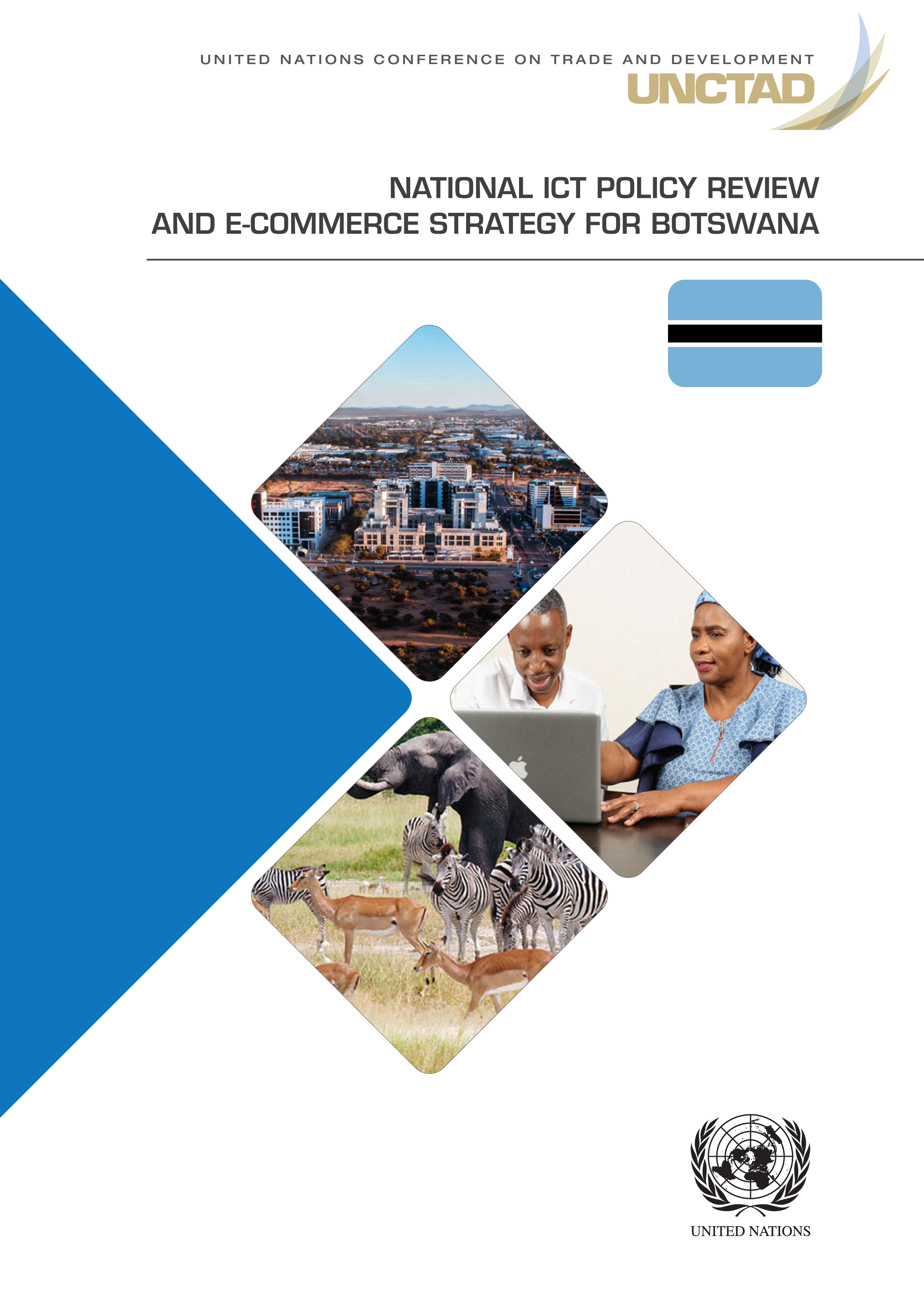
UNCTAD ICT Policy Review and National E-commerce Strategy for Botswana
More LessWith the rapid uptake of information and communications technologies (ICTs), growing digitalization in both developed and developing countries, and the catalytic role of new technological innovations in business and consumer markets, global value chains, and international trade, e-commerce has been increasingly transforming the global economy, affecting economic growth, competitiveness and socio-economic development. The accelerated expansion of e-commerce has been further fueled by the Covid-19 crisis. In addition to seeking to leverage ICTs and digital technologies to support Covid-19 recovery, the Government of Botswana has long recognized ICTs as enablers of national economic and social development and as a tool for strengthening the country’s competitiveness. Committed to creating an environment conducive to supporting e-commerce, Botswana has in the past decades invested in and strengthened its ICT sector, established key legal and regulatory measures, and now stands positioned to expand its e-commerce sector. At the request of Botswana’s Ministry of Investment, Trade, and Industry (MITI), UNCTAD launched an UNCTAD ICT Policy Review (ICTPR) Strategy to assist Botswana in developing its national e-commerce strategy in March 2019. The national e-commerce strategy set out in this publication aims to leverage Botswana’s full potential for e-commerce, to boost economic growth and socio-economic gains, diversify the economy, raise Botswana’s competitiveness in the global economy, and support its recovery from the pandemic crisis. The strategy is the result of technical assistance work delivered by UNCTAD supported by the SADC Trade Related Facility (TRF Fund) funded by the European Union.
-
-
-
UNCTAD Productive Capacities Index
More LessUNCTAD’s extensive work on measuring and benchmarking productive capacities globally reveals significant gaps, not only between developed and developing economies, but also within the developing countries themselves. UNCTAD’s new Productive Capacities Index (PCI) clearly demonstrates that the difference in the levels of socioeconomic development across countries and regions is a consequence of the gaps in their levels of productive capacities.
-
-
-
UNCTAD Productive Capacities Index
More LessThe overall objective in developing the Productive Capacities Index (PCI) is to support the formulation and implementation of holistic, coherent, and evidence-based policymaking in developing countries. The PCI is designed with the aim to improve the quality of trade and development policies by placing the fostering of productive capacities and structural economic transformation at the centre. It particularly helps to identify economy-wide gaps and limitations that hinder efforts aimed at fostering productive capacities and structural economic transformation. It also serves as a tool to track progress towards targets and goals, including the Sustainable Development Goals (SDGs).
-
-
-
Undernourished and Overlooked: A Global Nutrition Crisis in Adolescent Girls and Women
More LessUndernutrition, micronutrient deficiencies and anaemia amplify gender inequalities by lowering learning potential, wages and life opportunities for adolescent girls and women, weakening their immunity to infections, and increasing their risk of life-threatening complications during pregnancy and childbirth. In ‘Undernourished and Overlooked: A Global Nutrition Crisis in Adolescent Girls and Women’ UNICEF examines the current status, trends and inequities in the nutritional status of adolescent girls and women of reproductive age (15-49 years), and the barriers they face in accessing nutritious diets, utilizing essential nutrition services and benefiting from positive nutrition and care practices. The analysis focuses on undernutrition, micronutrient deficiencies and anaemia because these forms of malnutrition affect the most vulnerable adolescent girls and women in low- and middle-income countries, especially in the context of the ongoing global food and nutrition crisis.
-
-
-
Understanding Illegal Methamphetamine Manufacture in Afghanistan
More LessThe analysis in this report examines the modalities of illegal methamphetamine manufacture in Afghanistan, highlighting risks to the region. The findings presented here contextualize illegal manufacture of methamphetamine with respect to quantify total methamphetamine production, different input materials. The analysis contained in this report does not seek to evaluate or assess the effectiveness of counternarcotics measures in the country, nor does it consider the effects of the April 2022 announcement of enforcement against the production, trafficking, and consumption of all illicit drugs in Afghanistan. The research shows that common cold medications and industrial-grade bulk precursors offer more efficient, reliable and virtually limitless means to support illegal manufacture compared with naturally occurring sources of ephedrine.
-
-
-

Understanding the Relationship Between Child Marriage and Female Genital Mutilation
More LessThe harmful practices of child marriage and Female Genital Mutilation (FGM) threaten the well-being of millions of girls around the world. In many countries where both practices are common, girls most at risk tend to share certain characteristics, including a low level of education, a rural residence, and a poorer household. Yet distinct drivers are also found, and in many communities where one practice is common, the other is not. This publication thus seeks to identify the extent to which child marriage and FGM co-exist. It presents an overview for all countries in which both practices have been documented, followed by an in-depth analysis for nine countries (Burkina Faso, Chad, Ethiopia, Guinea, Kenya, Mali, Senegal, Sierra Leone and Yemen). The intersection of these two practices – that is, the share of women who underwent FGM and were married in childhood – is reviewed over time to determine whether the likelihood of experiencing both has changed across generations. Characteristics that most frequently distinguish girls who experience one practice from those who experience both are also identified here.
-
-
-
Understanding Voluntary Sustainability Standards
More LessVoluntary Sustainability Standards (VSS) have emerged as key governance tools in global value chains and provide an avenue for enabling sustainable production and consumption practices. The rapid growth in the number of VSS over the last few decades has prompted a consequent growth in the number of studies around VSS. While extant literature focusses on a diverse set of topics centred around VSS, there is no one study that presents the strengths, weaknesses, opportunities, and threats (SWOT) of VSS. Given the growing presence of VSS, it becomes important to understand these dimensions related to VSS. This report therefore provides a succinct SWOT analysis of VSS. The report presents analyses and derives results from the work of key researchers and practitioners in the field of VSS and distils conclusions to effectively understand the use of VSS, their potential and their interactions with several upcoming trade regulations.
-
-
-
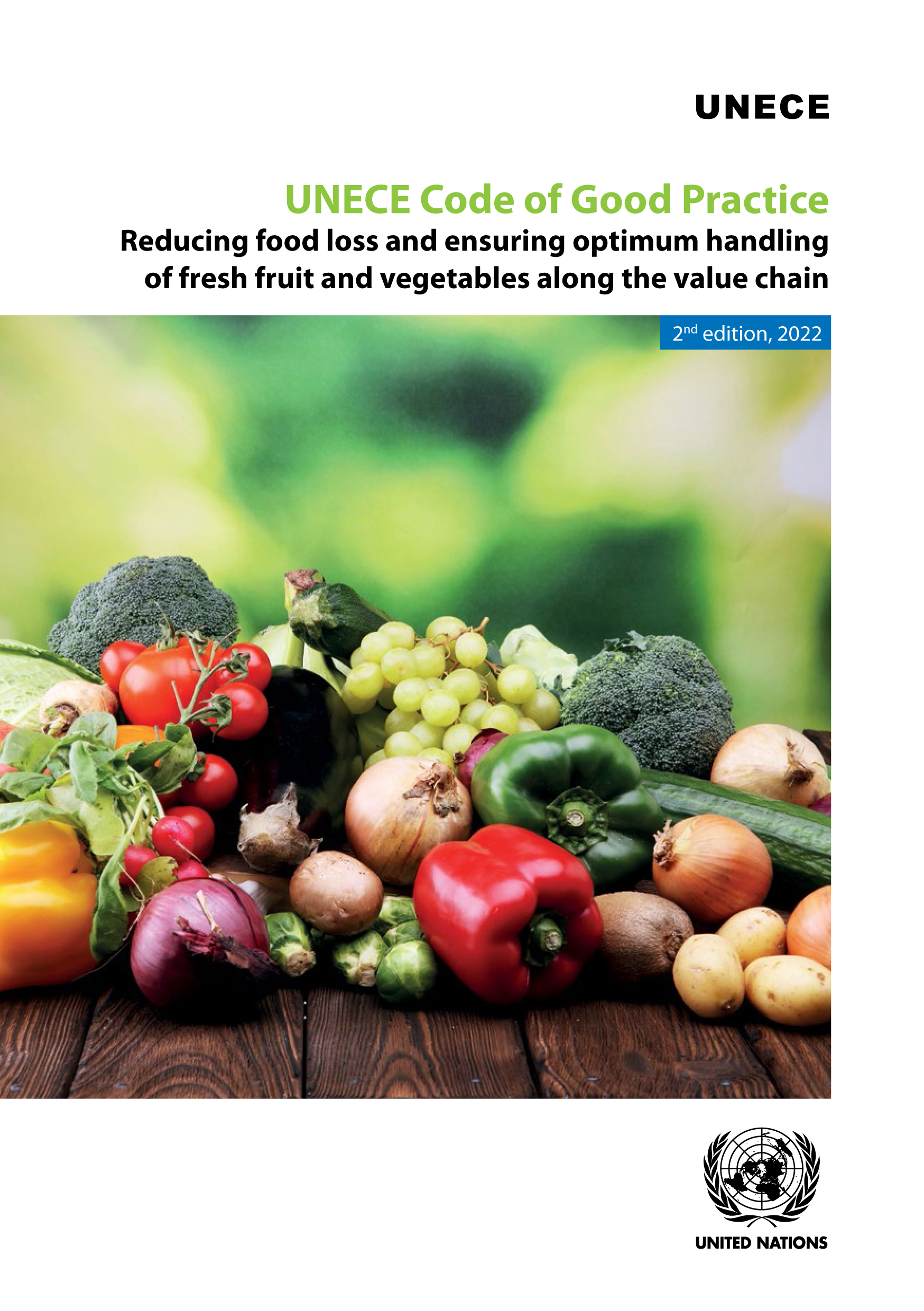
UNECE Code of Good Practice
More LessThe perishable nature of most fruits and vegetables means that loss and waste of products can be high. The problem of waste, in particular, has received much attention in recent years because of its impact on the environment. The Code of Good Practice It has been drawn up by the United Nations Economic Commission for Europe (UNECE) to provide guidance to the sector on how to reduce losses and waste. The Code sets out measures to be taken at the stages in the value chain before the fruit and vegetables reach the consumer, i.e. from harvest to retail. It contains actions and measures that public and private stakeholders are advised to take or put in place. It is aimed at strengthening the work already being done in this area by many food supply-chain actors. The Code consists of four distinct chapters which focus on the major segments of the fruit and vegetable supply chain – producers, traders, transporters and retailers. The chapters can be used individually. It is complemented by five annexes and a select list of reading matter that describes in detail the processes that regulate fruit and vegetables during growth, maturation, ripening and senescence and the best handling and storage practices.
-