


Human Rights
10 December is Human Rights Day
Collection Contents
20 results
-
-
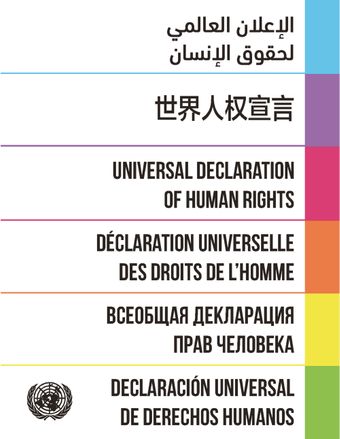
Universal Declaration of Human Rights (Multilingual Edition)
More LessThe Universal Declaration of Human Rights (UDHR) is the first international agreement setting out freedoms, rights and entitlements for all humanity to claim. It emphasizes the inextricable relationship between fundamental freedoms and social justice, and their connection with peace and security. The General Assembly of the United Nations proclaims this Universal Declaration of Human Rights as a common standard of achievement for all peoples and all nations, to the end that every individual and every organ of society, keeping the UDHR constantly in mind, shall strive by teaching and education to promote respect for these rights and freedoms and by progressive measures, national and international, to secure their universal and effective recognition and observance, both among the peoples of Member States themselves and among the peoples of territories under their jurisdiction. This edition presents the Universal Declaration of Human Rights in all six official United Nations languages.
-
-
-
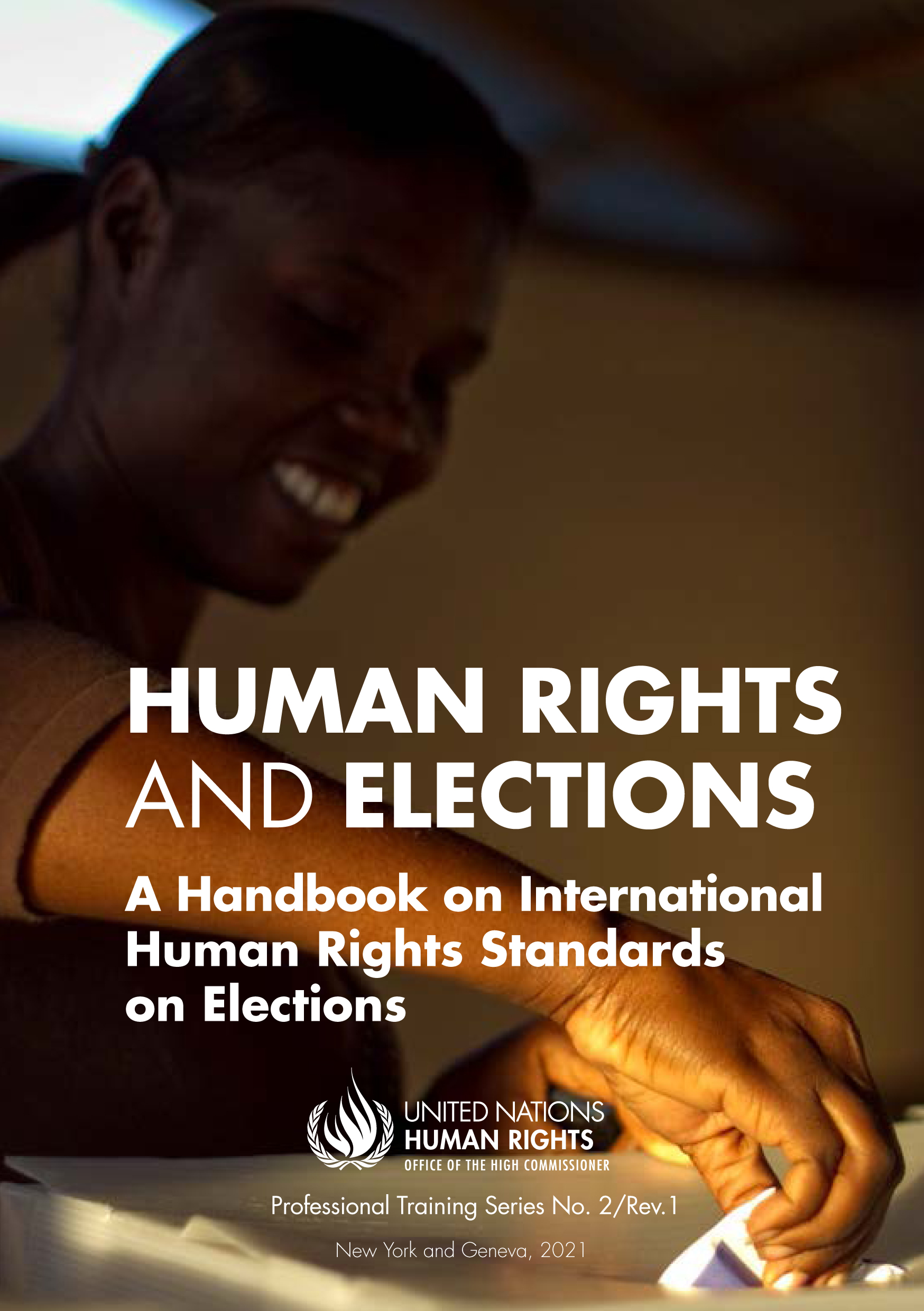
Human Rights and Elections
A Handbook on International Human Rights Standards on Elections
More LessWith hundreds of references to the jurisprudence of United Nations human rights mechanisms, this handbook provides human rights and electoral practitioners with a clear picture of the close interplay between elections and international human rights law. The handbook discusses international human rights standards regarding electoral processes and political participation, and how these standards apply to specific aspects of elections. Current issues such as gender-based violence in politics, disinformation and data manipulation, and the impact of Internet shutdowns are considered in the light of international human rights law and the recommendations of United Nations experts.
-
-
-
Access to Remedy in Cases of Business-related Human Rights Abuse
A Practical Guide for State-Based Judicial Mechanisms
More LessOver the course of six years, and in response to successive mandates from the Human Rights Council, OHCHR’s Accountability and Remedy Project developed guidance on how to enhance the effectiveness of the three categories of remedial mechanisms covered in the Guiding Principles on Business and Human Rights. For each category of mechanism, OHCHR spent two years consulting with those who use, design, and administer the mechanism, among others, to identify good-practice lessons, resulting in a set of reports presented to the Human Rights Council. This publication compiles the guidance and explanatory notes from those reports focusing on judicial mechanisms
-
-
-

Access to Remedy in Cases of Business-related Human Rights Abuse
A Practical Guide for Non-state-based Grievance Mechanisms
More LessOver the course of six years, and in response to successive mandates from the Human Rights Council, OHCHR’s Accountability and Remedy Project developed guidance on how to enhance the effectiveness of the three categories of remedial mechanisms covered in the Guiding Principles on Business and Human Rights. For each category of mechanism, OHCHR spent two years consulting with those who use, design, and administer the mechanism, among others, to identify good-practice lessons, resulting in a set of reports presented to the Human Rights Council. This publication compiles the guidance and explanatory notes from those reports focusing on non-State-based grievance mechanisms.
-
-
-
Access to Remedy in Cases of Business-related Human Rights Abuse
An Interpretive Guide
More LessThis interpretive guide provides additional background explanation on the principles of the access to remedy pillar of the Guiding Principles on Business and Human Rights so as to support a full understanding of their meaning and intent. It aims to equip all actors, whether specialist or non-specialist, with the knowledge and insights needed for more productive engagement and advocacy in relation to access to remedy for business and human rights harms in a wide range of contexts.
-
-
-
World Programme for Human Rights Education: Plan of Action, Fifth Phase
More LessThe World Programme for Human Rights Education was proclaimed by the United Nations General Assembly in December 2004 as an ongoing global initiative structured in consecutive phases in order to advance implementation of human rights education programmes in all sectors. Human rights education promotes a shared sense of humanity and fosters a common understanding that all human beings are equally deserving of dignity, respect and justice. It empowers children and youth to fulfil their role as global citizens, to take action and uphold their human rights and those of others, and to participate meaningfully in public affairs and democratic decision-making processes. In recognition of this, the United Nations Human Rights Council, through its resolution 57/10, launched the Fifth Phase (2025-2029) of the World Programme for Human Rights Education, dedicated to children and youth, with a focus on human rights education in three thematic areas: digital technologies and human rights, gender equality, and environment and climate change. Building on United Nations documents and consultations with a diverse range of stakeholders, this Fifth Phase publication outlines the scope, background, specific objectives and components of the plan of action and steps to implement it.
-
-
-

Protecting the Human Rights of Migrants
A Course for Migration Officials in Africa
More LessThis Facilitator’s Guide is intended to support trainers wishing to introduce the protection of the human rights of migrants to State officials on the African continent. The content is organized into four main modules, allowing each module to be used in isolation, or in combination with others depending on the need. The first module focuses on international law as the foundation of relations between States, and between States and individuals. It provides an overview of key human rights instruments, including the African Charter on Human and Peoples’ Rights, and their accountability mechanisms. Part of the emphasis of this module is on the historical evolution of the international legal system, and the thinking that led to the human rights instruments that followed the wars of the early 20th century. Subsequent modules address State authority in migration management, covering the admission of non-nationals and nationals returning home, as well as the detention and expulsion of those who are non-compliant with the requirements of entry or stay. Each of these is juxtaposed against a succession of individual human rights to facilitate understanding of the parametres of the State’s authority. Sections and subsections generally begin with a case study challenge to help participants focus on a specific tension between State authority and a human rights obligation in the migration context, followed by lecture notes for facilitators and a review of relevant case law and judicial reasoning. By using this Guide, trainers will be equipped to support officials in Africa in bridging the gap between the aspirations and principles of the United Nations Charter, international and regional human rights obligations, and the complexities of managing migration.
-
-
-
Women’s Rights in Review 30 Years After Beijing
More LessThis summary report highlights findings from the United Nations Secretary-General’s report on the review and appraisal of the Beijing Declaration and Platform for Action, the most comprehensive stocktaking on gender equality and women’s rights available globally. In 2025, the world celebrates 30 years of achievement on the platform, a visionary 1995 plan agreed by 189 governments to achieve the equal rights of ALL women and girls. The review reflects global, regional and national reviews of 159 countries, summarizing progress and priorities for further action. It finds that many countries have made strides on gender equality and women’s empowerment, from banning discrimination in employment to adopting gender-responsive climate action plans. Innovation is accelerating progress, and opportunities are opening to scale up proven strategies. Yet gender discrimination remains deeply embedded in all economies and societies, imposing chronic constraints on the rights and hopes of women and girls. Extensive participation in the review reflects the continued relevance and critical importance of the Beijing Platform for Action, including in reaching the global Sustainable Development Goals. Based on the findings, UN-Women has collaborated with partners to design the Beijing+30 Action Agenda. This brings people together to realize the promises of the platform and the global goals, reinforcing how everyone has a role to play.
-
-
-

Report of the Secretary-General on the Work of the Organization 2025
For Humanity
More LessThe Report of the Secretary-General on the Work of the Organization (A/80/1) is issued in response to Article 98 of the UN Charter and highlights how the UN Secretariat translates resources into impact. The Report covers nine sections: (i) forging pathways for sustainable development; (ii) fostering peace and security; (iii) propelling African growth; (iv) upholding human rights; (v) securing humanitarian assistance; (vi) advancing justice and international law; (vii) championing disarmament; (viii) combating drugs, crime and terrorism; and (ix) enhancing our operations. The e-book for this publication has been converted into an accessible format for the visually impaired and people with print reading disabilities. It is fully compatible with leading screen-reader technologies such as JAWS and NVDA.
-
-
-

Care in War and Conflict: A Pathway to Dignity and Recovery
More LessHealth and social support systems are essential to human dignity and social well-being. In times of war and conflict, the importance of a care economy intensifies, serving as both a lifeline and a catalyst for recovery and development. Wars often disrupt care systems, increasing the needs of vulnerable populations and placing heavy burdens on caregivers and health workers. Despite their essential role, caregiving services and support systems are frequently overlooked in policy responses to conflict. Rebuilding and strengthening this infrastructure are crucial for recovery. This includes restoring access to healthcare, psychosocial support and daily assistance, while also supporting those who provide these services, many of whom need support themselves. Displaced individuals should be recognized not only as recipients of care but also as active contributors to national relief and rebuilding efforts. Protecting health-care workers is equally vital to ensure that essential services continue during and after crises. By placing health and social support systems at the centre of recovery strategies, Governments can promote sustainable and inclusive rebuilding.
-
-
-

Denial of Humanitarian Access to Children
A Guidance Note for the Children and Armed Conflict Agenda
More LessEarly in the children and armed conflict (CAAC) agenda, the Denial of Humanitarian Access (DHA) to children was identified as a critical issue affecting children in conflict areas and other situations of violence. Over the years, cases of the DHA, as reported through MRM, on grave violations against children in situations of armed conflict have been steadily on the rise. DHA is one of the six grave violations the United Nations is monitoring through the Monitoring and Reporting Mechanism (MRM) as established by the Security Council resolution 1612 (2005). Between 2005 and 2024, more than 30,000 DHA incidents have been verified. DHA, as defined within the CAAC agenda, and as specified in this document, does not exist in a vacuum but is informed by a comprehensive body of international legal norms and standards designed to protect the rights and well-being of children in times of conflict, including international humanitarian law and the Convention on the Rights of the Child. This Guidance Note results from extensive consultations with field staff and partners involved in the MRM. This document provides specific and practical guidance to field colleagues involved in MRM implementation. It helps identify incidents to be verified through the monitoring and reporting of DHA violations, including attribution as mandated by the Security Council. The guidance is to ensure coherence and consistency in verifying and reporting on DHA within the CAAC agenda. It endeavours to devise a global approach that is applicable across all situations of concern on the CAAC agenda while concurrently recognizing and accommodating the specificities inherent to each unique context.
-
-
-

Global Trends: Forced Displacement in 2024
More LessUNHCR’s Global Trends report presents key statistical trends and the latest official statistics on refugees, asylum-seekers, internally displaced and stateless people worldwide. At the end of 2024, 123.2 million people worldwide were forcibly displaced as a result of persecution, conflict, violence, human rights violations and events seriously disturbing public order.
-
-
-
Global Progress Report on Sustainable Development Goal 16: Indicators on Peaceful, Just and Inclusive Societies
More LessThis report, the third dedicated to Goal 16 progress, brings together contributions from all UN custodian agencies in a single, comprehensive document. It presents the best regional and global data available across all SDG16 targets that the UN system can offer. The data, statistics and accompanying analysis spotlight trends that have and will continue to shape our world, policy pathways and underscore the urgent need for action to reverse negative trends and to foster a more just and sustainable future. The report was joint produced by United Nations Development Programme (UNDP), the United Nations Office on Drugs and Crime (UNODC), and the United Nations Office of the High Commissioner for Human Rights (OHCHR).
-
-
-
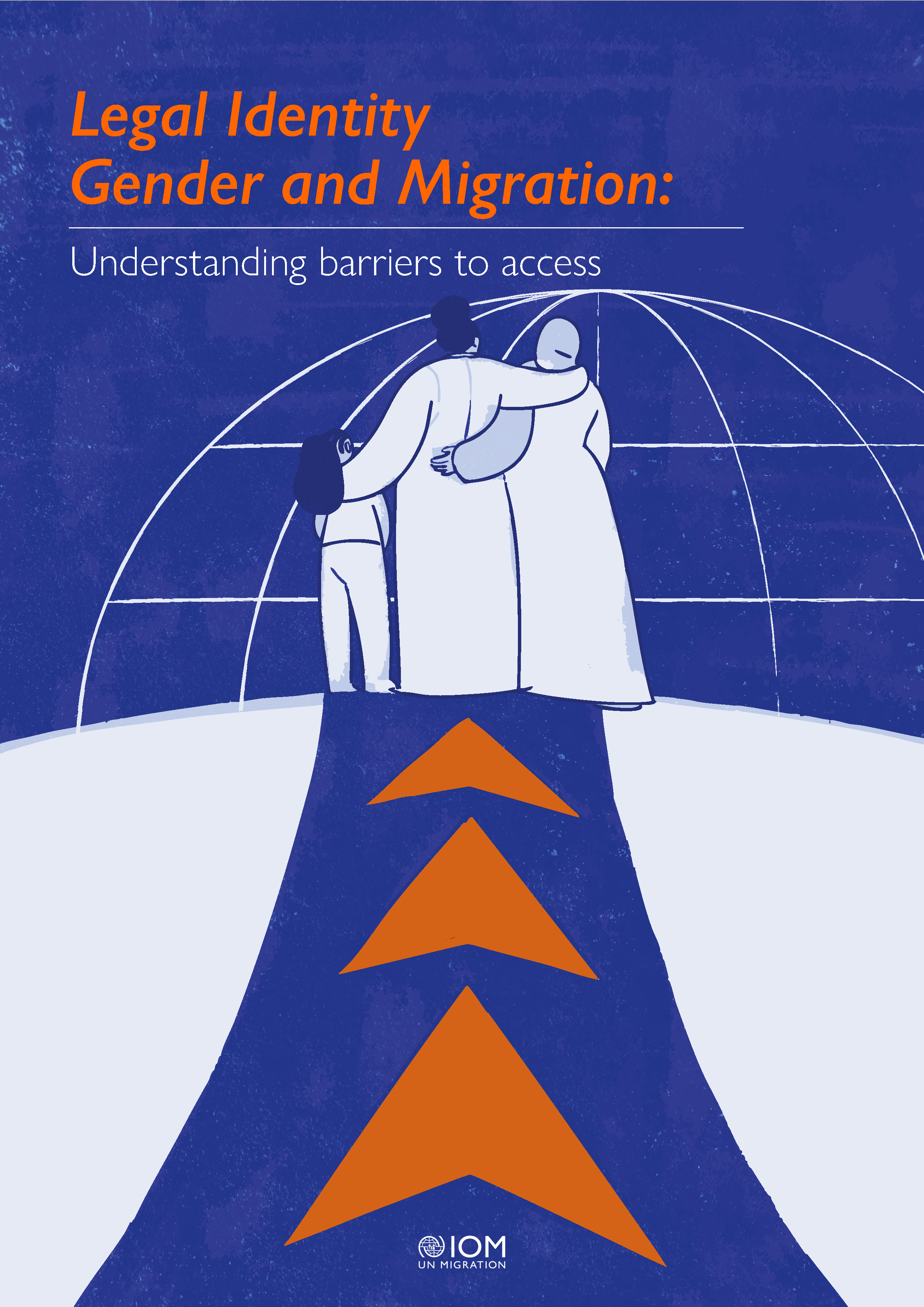
Legal Identity, Gender and Migration: Understanding Barriers to Access
More LessAccess to legal identity is essential for inclusion, rights and protection. Yet, millions of people, especially women and girls, face persistent barriers. Legal Identity, Gender and Migration: Understanding Barriers to Access, explores these challenges in global and local contexts. The report highlights how gaps in legislation, institutional obstacles, digital divides and entrenched social norms can exclude women and girls. Based on desk research and case studies from three countries, Tunisia, Morocco and Nigeria, the report reveals how legal, cultural and economic factors hinder access to civil registration and identity documents. The study emphasizes the necessity of gender-responsive reforms, targeted awareness campaigns and inclusive digitalization efforts.
-
-
-
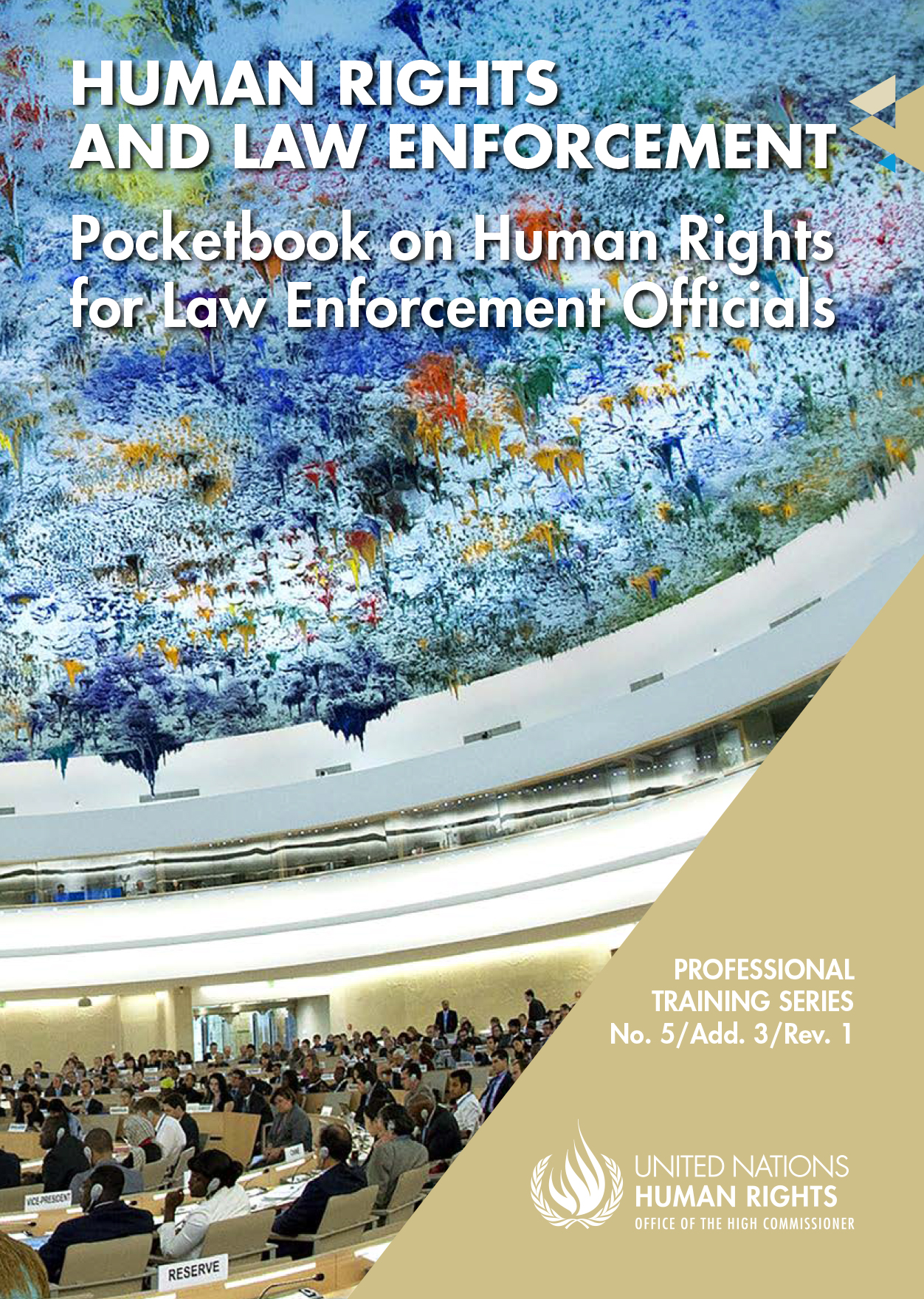
Pocketbook on Human Rights for Law Enforcement Officials
More LessThis revised edition of the Expanded Pocketbook forms part of OHCHR’s updated “Human Rights and Law Enforcement Guidance and Training Package”. The training package also includes a Manual on Human Rights Training for Law Enforcement Officials and a Training Guide on Human Rights for Law Enforcement Officials, in addition to presentation slides corresponding to each chapter of the Manual. The Expanded Pocketbook is designed to be a readily accessible and portable reference tool for law enforcement officials. It can be further tailored to a particular law enforcement agency’s local context. The international standards can, for example, be complemented with references to national law, internal policies or standard operating procedures. The Expanded Pocketbook contains hundreds of point-form standards and recommendations, organized according to law enforcement duties, functions and topics.
-
-
-
Report of the United Nations High Commissioner for Refugees 2025
More LessThis is the official record of the Report of the United Nations High Commissioner for Refugees, eightieth session.
-
-
-
Human Rights Fact Sheet
More LessThe Human Rights Fact Sheet series is published by the Office of the United Nations High Commissioner for Human Rights, United Nations Office at Geneva. It deals with selected questions of human rights that are under active consideration or are of particular interest. Human Rights Fact Sheets are intended to assist an ever-wider audience in better understanding basic human rights, what the United Nations is doing to promote and protect them, and the international machinery available to help realize those rights.
-
-
-
Report of the Human Rights Committee
More LessThe Human Rights Committee is the body of independent experts that monitors implementation of the International Covenant on Civil and Political Rights by its State parties. All States parties are obliged to submit regular reports to the Committee on how the rights are being implemented. The Committee examines each report and addresses its concerns and recommendations to the State party in the form of "concluding observations”.
-
-
-
Professional Training Series in Human Rights
More LessTraining and Educational materials consist of guides, manuals and handbooks for indigenous peoples, minorities, professional groups (e.g. police, prison officials, judges, parliamentarians, human rights monitors, election monitors and social workers) and educational institutions.
-
-
-
World Programme for Human Rights Education
More LessOn 10 December 2004, the General Assembly of the United Nations proclaimed the World Programme for Human Rights Education (2005-ongoing) to advance the implementation of human rights education programmes. The World Programme was established by the General Assembly’s resolution 59/113 (10 December 2004). Building on the achievements of the United Nations Decade for Human Rights Education (1995-2004), the World Programme seeks to promote a common understanding of basic principles and methodologies of human rights education, to provide a concrete framework for action and to strengthen partnerships and cooperation from the international level down to the grass roots. Unlike the specific time frame of the Decade, the World Programme is structured in consecutive phases, to further focus national human rights education efforts on specific issues.
-