


United Nations
One of the purposes of the United Nations as reflected in the Charter of the United Nations is to "achieve international co-operation in solving international problems of an economic, social, cultural, or humanitarian character, and in promoting and encouraging respect for human rights and for fundamental freedoms for all without distinction as to race, sex, language, or religion."3501 - 3550 of 5473 results
-
-
نتائج 15 الأونكتاد
روح سبيتستاون وعهد بريدجتاون
More LessThe fifteenth session of the United Nations Conference on Trade and Development was held in a hybrid (virtual and physical) format, in Bridgetown and Geneva, from 3 to 7 October 2021. At its closing plenary meeting, the Conference adopted the Spirit of Speightstown (TD/541/Add.1) and the Bridgetown Covenant (TD/541/Add.2). The Bridgetown Covenant forms the basis for the work of UNCTAD until the next quadrennial conference in 2024. These texts are reproduced there for ease of reference and as a working tool for all those involved in the activities of UNCTAD or in areas of work related to its mandates
-
-
-

نحو إطار إحصائي لقياس التدفقات المالية الضريبية والتجارية غير المشروعة
More LessThis paper focuses on efforts by eleven African countries to measure tax and commercial IFFs. It reviews and assesses development of concepts and methods, and their pilot testing. As such, it draws from existing work and documents of custodian agencies and provides (further) methodological inputs into ongoing development of suggested statistical methodologies to measure tax and commercial IFFs and feed into global reporting on SDG indicator 16.4.1.
-
-
-
نزع السلاح دليل أساسي
الطبعة الرابعة
More LessConceived as a comprehensive introduction to a field central to the work of the United Nations, Disarmament: A Basic Guide aims to provide a useful overview of the nuanced challenges of building a more peaceful world in the twenty-first century. It was written with the general reader in mind and it strives to be accessible without downplaying the complexity of the issues it explores. This fourth edition includes updated figures, tables and treaty statuses; new analysis of the key developments since 2012; discussion of two recently agreed legal instruments, the Arms Trade Treaty and the Treaty on the Prohibition of Nuclear Weapons; and a new chapter on emerging threats from cyber weaponry, unmanned combat aerial vehicles and lethal autonomous weapons systems.
-
-
-
نزع السلاح دليل أساسي
الطبعة الثالثة
More LessInternational peace and security - and therefore disarmament - stand at the core of the UN mandate. This publication is designed to inform, educate and generate public understanding of the importance of multilateral action, and to rally support for it, in the field of arms limitation and disarmament. Intended primarily for the general reader, this basic guide may also be useful for the disarmament educator or trainer. It is published by the United Nations Office for Disarmament Affairs in collaboration with the NGO (non-governmental organizations) Committee on Disarmament, Peace and Security pursuant to the purposes of the United Nations Disarmament Information Programme.
-
-
-
نشرة المخدِّرات المجلد الثاني والستون، 2019
المخدِّرات وسكان نيجيريا
More LessThe Bulletin provides regular information and contains technical and scientific articles on narcotic drugs. The present issue is specifically focused on the topic of drugs in the Nigerian population. It comprises nine articles that provide important insights into the availability of drugs and their use, consequences and policy implications to address the issue of drugs in Nigeria effectively.
-
-
-

نشرة حول قضايا المرأة: غزة: حرب على صحة النساء
More LessSince 7 October 2023, large-scale Israeli military operations in the Gaza Strip, including aerial bombing and ground offensives, have killed more than 41,000 people. Women and children account for over half of all fatalities. Some 95,000 people have been injured, and approximately 75 per cent of the population has been displaced. Most people reside in overcrowded shelters with limited access to food, water and sanitation. The war has caused a catastrophic public health crisis, leading to a spike in preventable deaths, the rapid spread of diseases, and high rates of physical and mental illnesses. After more than 11 months of war, an estimated 177,000 women face life-threatening health risks, including from non-communicable diseases and hunger and poor nutrition during pregnancy. Close to 84 per cent of health facilities has been damaged or destroyed. Those that remain lack medicine, ambulances, electricity, water and the ability to provide even basic life-saving treatments. At least 491 health-care workers have been killed: 345 men and 146 women. To better understand the gender dynamics of the health crisis, between March and April 2024, UN Women surveyed 600 people, 305 women and 295 men, across Gaza’s five governorates, asking about their health and well-being. Twelve key informant interviews provided additional perspectives. This gender alert on the war in Gaza is the fifth in a series by UN Women. It explores how the conflict has affected women’s physical and mental health and is intended to support evidence-based advocacy and services.
-
-
-
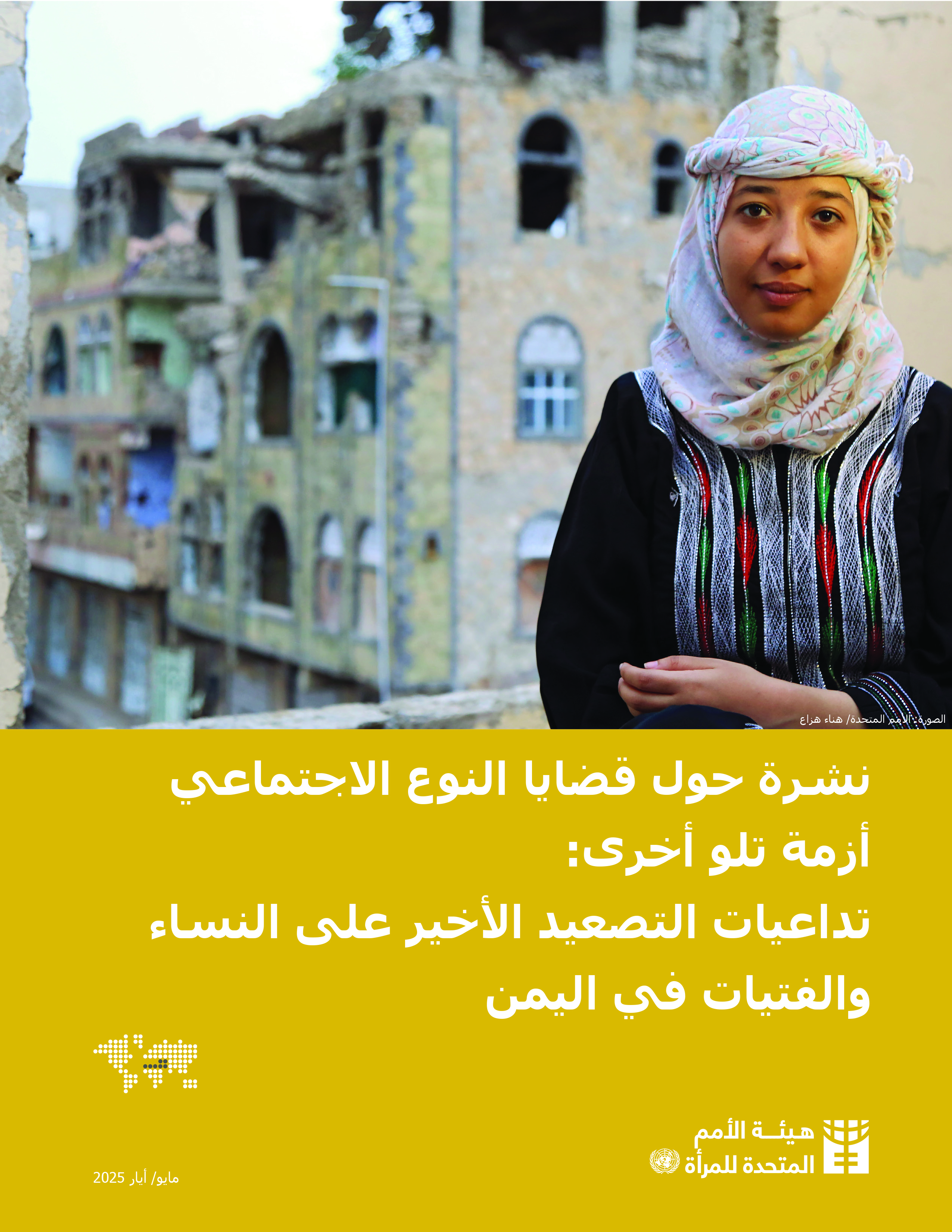
نشرة حول قضايا النوع الاجتماعيأزمة تلو أخرى: تداعيات التصعيد الأخير على النساءوالفتيات في اليمن
More LessSince late 2024, escalating conflict has deepened Yemen’s already critical humanitarian crisis. Between February and April 2025, heavy bombardments have caused mass civilian casualties, widespread displacement, and the destruction of critical infrastructure. Attacks on key lifelines—Al Hudayda port and Sana’a airport in May—severed supply routes, halting the delivery of food, fuel, medicine, and humanitarian aid. This disruption has crippled humanitarian operations, shutting down health facilities, restricting food distribution, and impeding emergency services—especially in frontline areas. An estimated 9.6 million women and girls are in need of aid, facing mounting barriers to essential services, including maternal health, clean water, and psychosocial support. The destruction of health facilities and a water reservoir has cut off care for over 400 pregnant and lactating women and 9,600 children. Between January and May 2025, over 6,000 people were newly displaced —26% of whom are in female headed households, adding to the 2.3 million women already living in displacement across Yemen. Displaced women face risks from income loss to protection threats. Despite the complexity of the conflict, the fragile cessation of hostilities between the U.S. and the Houthis in Sanaa offers a narrow but critical window for de-escalation and humanitarian response. This moment must be used to scale up gender-responsive aid and restore essential services to displaced and conflict-affected populations.
-
-
-
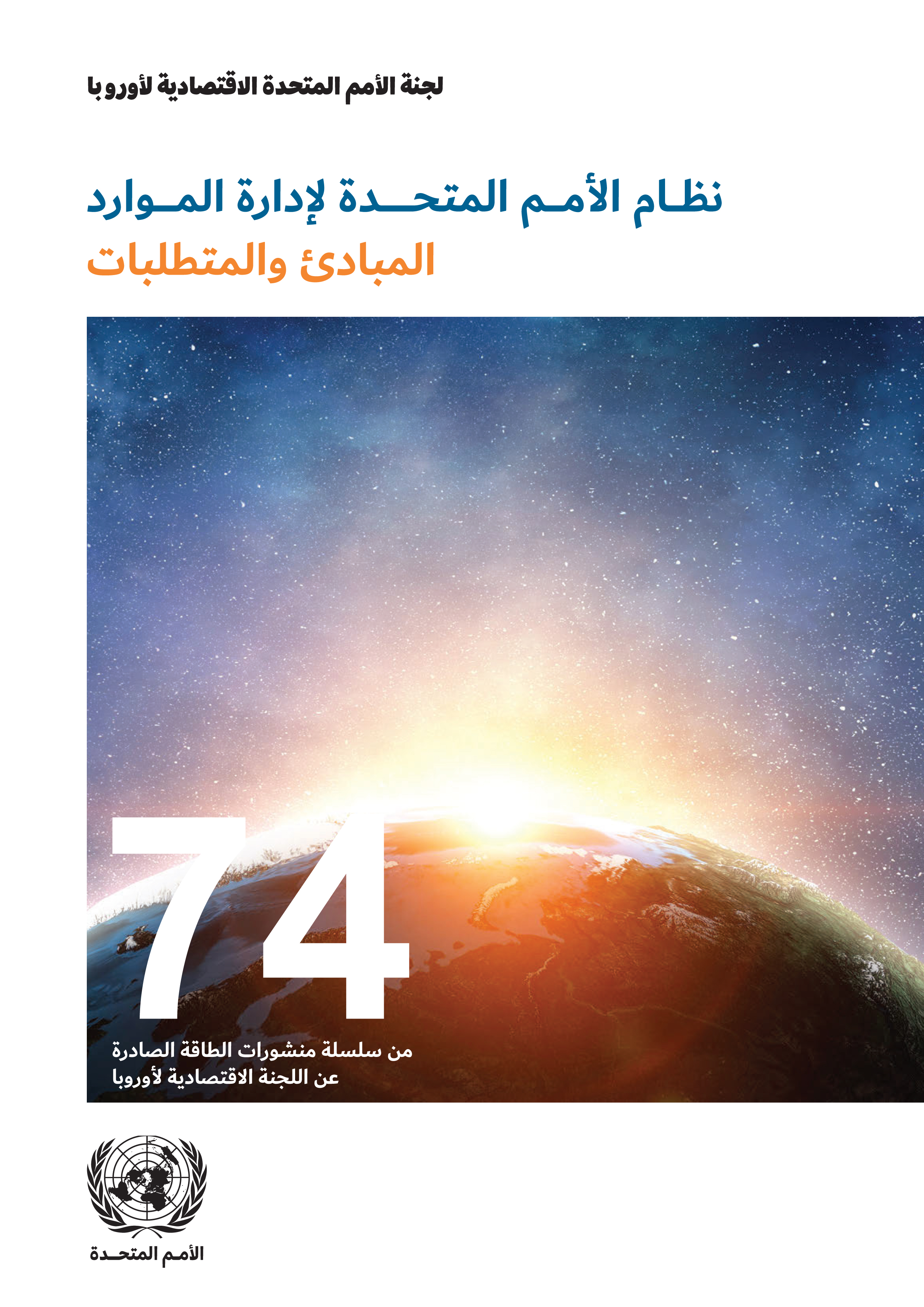
نظام الأمم المتحدة لإدارة الموارد
المبادئ والمتطلبات
More LessThe multifaceted requirements of sustainable development depend on optimal and responsible production and use of natural resources. The United Nations Resource Management System (UNRMS) provides the framework for integrated and sustainable management of natural resources to promote good social, environmental and economic outcomes in alignment with the 2030 Agenda for Sustainable Development. UNRMS is based on the United Nations Framework Classification of Resources (UNFC) and provides a sustainable transition pathway for producing, using and reusing natural resources to become engines of sustainable development.
-
-
-

கைதிகளின் நடத்துதுகைக்கான ஐக்கிய நாடுகளின் குறைந்தபட்ச தராதர விதிகள் (நெல்சன் மண்டேலா விதிகள்)
More LessThe following rules are not intended to describe in detail a model system of penal institutions. They seek only, on the basis of the general consensus of contemporary thought and the essential elements of the most adequate systems of today, to set out what is generally accepted as being good principles and practice in the treatment of prisoners and prison management.
-
-
-
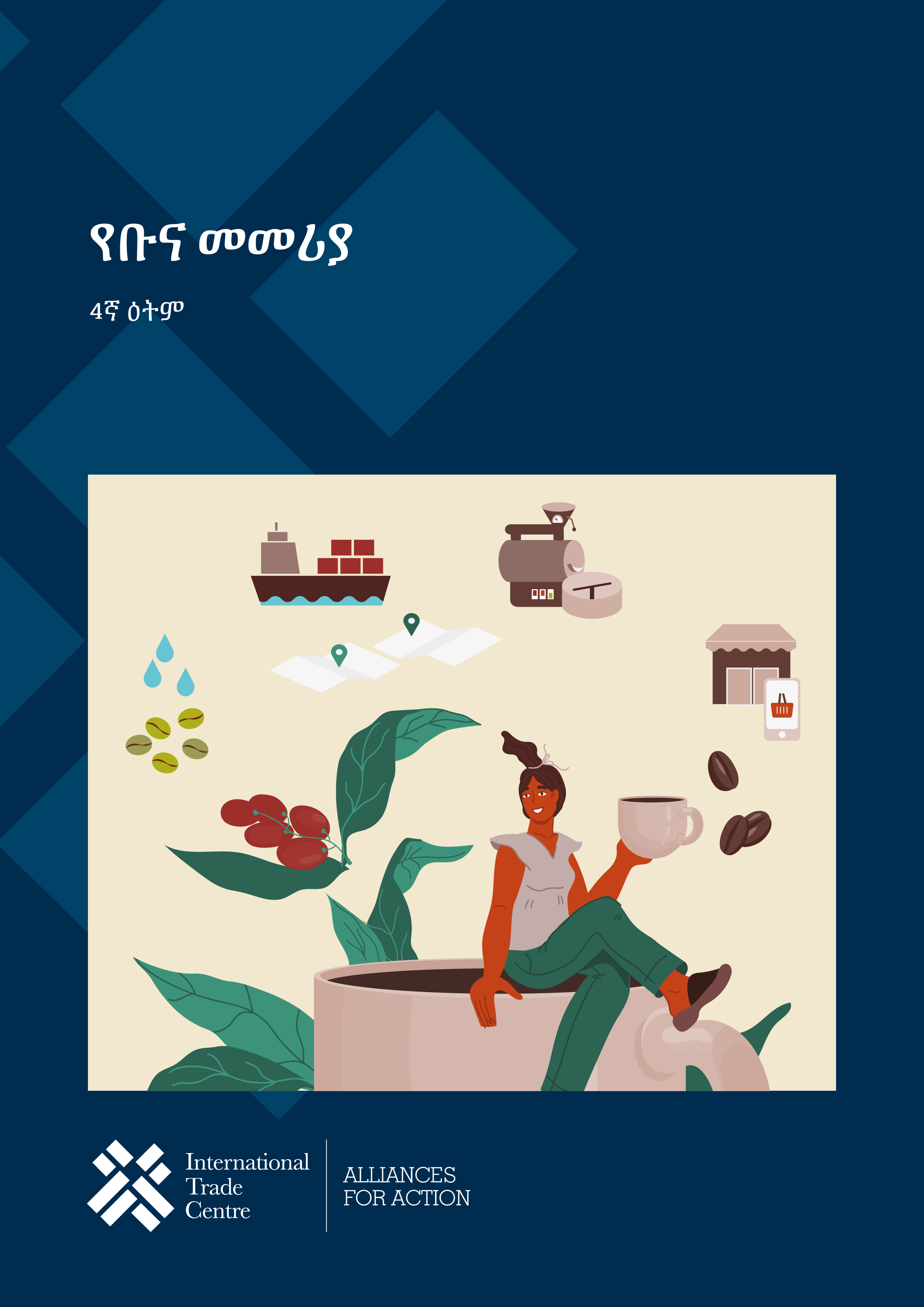
የቡና መመሪያ፡ አራተኛ እትም።
More LessThe Coffee Guide is the world’s most extensive, hands-on, and neutral source of information on the international coffee trade. It covers trade issues relevant to coffee growers, traders, exporters, transportation companies, certifiers, associations and authorities, and other relevant actors. Many in the coffee industry consider it the go-to reference. This fourth edition is directly informed by the coffee industry, and it has updated technical information on finance, food safety measures, logistics, and contracts. It has redefined quality and data segmentation and expanded digitalization coverage and information related to certifications and supply chain legislation. It also gives prime importance to issues like climate change, coffee price volatility, living wage, and the inequitable distribution of power, profit, and resources across the supply chain. It aims to be informative, useful, and inclusive of all sector stakeholders.
-
-
-
Ḥawliyyaẗ laǧnaẗ al-qānūn al-duwalī, Al-Umam al-Muttaḥidaẗ
More LessFollowing a request by the International Law Commission, the General Assembly, in resolution 987 (X) of 3 December 1955, requested the Secretary-General to arrange for publishing an annual publication entitled Yearbook of the International Law Commission, containing the principal documents and summary records relating to each ILC session. It has since been published annually in two volumes in respect of each session. The titles in this Series appear by Publication Date and not by the year indicated in the Title.
-
-
-
Ḥawliyyaẗ nazʿ al-silāh
More LessThis publication has been a rich source of historical knowledge on developments, trends and achievements of multilateral disarmament for more than 40 years. In early spring of each year, Part I of the Yearbook is published containing an annual compilation of texts and statistics on disarmament-related resolutions and decisions of the General Assembly. In early Autumn, Part II is published presenting the main topics of multilateral consideration during the year, along with a convenient issues-oriented timeline.
-
-
-
Ḥālaẗ al-amn al-ġiḏāʾī wa-al-taġḏiyaẗ fī al-ʿālam
More LessThe State of Food Security and Nutrition in the World is an annual flagship report jointly prepared by FAO, IFAD, UNICEF, WFP and WHO to inform on progress towards ending hunger, achieving food security and improving nutrition and to provide in-depth analysis on key challenges for achieving this goal in the context of the 2030 Agenda for Sustainable Development. The report targets a wide audience, including policy-makers, international organizations, academic institutions and the general public.
-
-
-
Ḥālaẗ al-aġḏiyaẗ wa-al-zirā’aẗ
More LessThe State of Food and Agriculture, FAO’s major annual flagship publication, aims at bringing to wider audience balanced science-based assessments of important issues in the field of food and agriculture. Each edition of the report contains comprehensive, yet easily accessible, overview of selected topics of major relevance for rural and agriculture development and for global food security.
-
-
-
Ḥālaẗ al-mawārid al-samakiyyaẗ wa-tarbiyaẗ al-aḥyāʼ al-māʼiyyaẗ fī al-’ālam
More LessThe State of World Fisheries and Aquaculture is the flagship publication of the FAO Fisheries and Aquaculture Department. This premier advocacy document is published every two years to provide policy-makers, civil society and those whose livelihoods depend on the sector a comprehensive, objective and global view of capture fisheries and aquaculture, including associated policy issues.
-
-
-
Ḥālaẗ aswāq al-silaʿ al-zirāʿiyyaẗ
More LessThe State of Agricultural Commodity Markets presents commodity market issues in an objective and accessible way to policy-makers, commodity market observers and stakeholders interested in agricultural commodity market developments and their impacts on countries at different levels of economic development.
-
-
-
Voluntary Peer Review of Consumer Protection Law and Policy - Angola
More LessUNCTAD voluntary peer reviews of consumer protection law and policy provide an external and independent assessment of the effectiveness of the consumer protection system in a given country. They analyse the legislative, institutional, and public policy frameworks and the enforcement of relevant legislation to identify key features and areas for improvement in these frameworks and law enforcement; relevant stakeholders’ contributions in this area; and they recommend appropriate measures to be considered by the countries’ authorities. UNCTAD assists countries in the implementation of recommendations through a tailored capacity-building project.
-
-
-
《残疾人权利公约》
培训指南
More LessThis publication is for facilitators of training courses on the Convention on the Rights of Persons with Disabilities and its Optional Protocol who are already familiar with the international human rights system. The Convention challenges customs and behaviour based on stereotypes, prejudices, harmful practices and stigma relating to persons with disabilities, and promotes their full participation in all spheres of life. It is already applicable in 137 countries around the world. The Training Guide’s methodology is interactive and promotes a participatory approach. Its modules can be used to develop tailored training courses to meet the needs of specific audiences (government officials, health professionals, civil society, employers’ organizations, etc.). It is also helpful as a general information resource on the Convention and its Optional Protocol.
-
-
-
《联合国海洋法公约》四十载
成就与未来展望
More LessTo commemorate, in 2022, the fortieth anniversary of the adoption and opening for signature of the 1982 United Nations Convention on the Law of the Sea, this publication reflects on the Convention’s successful contribution to the promotion of the peaceful uses of the seas and oceans, the equitable and efficient utilization of their resources, the conservation of their living resources, and the study, protection and preservation of the marine environment. The publication focuses on the historical achievements of the Convention.
-
-
-
世界人权宣言
尊严公义 你我有分
-
-
-
世界人权教育计划
More LessOn 10 December 2004, the General Assembly of the United Nations proclaimed the World Programme for Human Rights Education (2005-ongoing) to advance the implementation of human rights education programmes. The World Programme was established by the General Assembly’s resolution 59/113 (10 December 2004). Building on the achievements of the United Nations Decade for Human Rights Education (1995-2004), the World Programme seeks to promote a common understanding of basic principles and methodologies of human rights education, to provide a concrete framework for action and to strengthen partnerships and cooperation from the international level down to the grass roots. Unlike the specific time frame of the Decade, the World Programme is structured in consecutive phases, to further focus national human rights education efforts on specific issues.
-
-
-
世界移民报告 2020
More Less自2000年以来,国际移民组织(IOM)一直在制作《世界移民报告》。《世界移民报告2020》是《世界移民报告》系列中的第十本报告,旨在增进人们对全球移民的了解。该新版本涉及了有关移民的关键数据和信息,以及移民热点问题的主题章节,并为读者着重介绍了两部分内容:第一部分:关于移民迁移和移民的关键信息(包括与移民有关的统计数据); 第二部分:对复杂和新出现的移民问题进行均衡、基于证据的分析。
-
-
-
世界移民报告 2022
More Less2000 年以来,国际移民组织每两年发布一次其旗舰世界移民报告。《2022 年世界移民报告》是世界移民报告系列中的第 11 版,旨在增进对世界各地移民和人员流动的了解。此新版本介绍了移民的关键数据和信息,包含了关于移民热门问题的专题章节,并在结构上侧重为读者提供两个主要贡献:第一部分:关于移民和移民的关键信息(包括与移民有关的统计数据);和 第二部分:对复杂和新出现的移民问题进行均衡的、基于证据的分析。
-
-
-
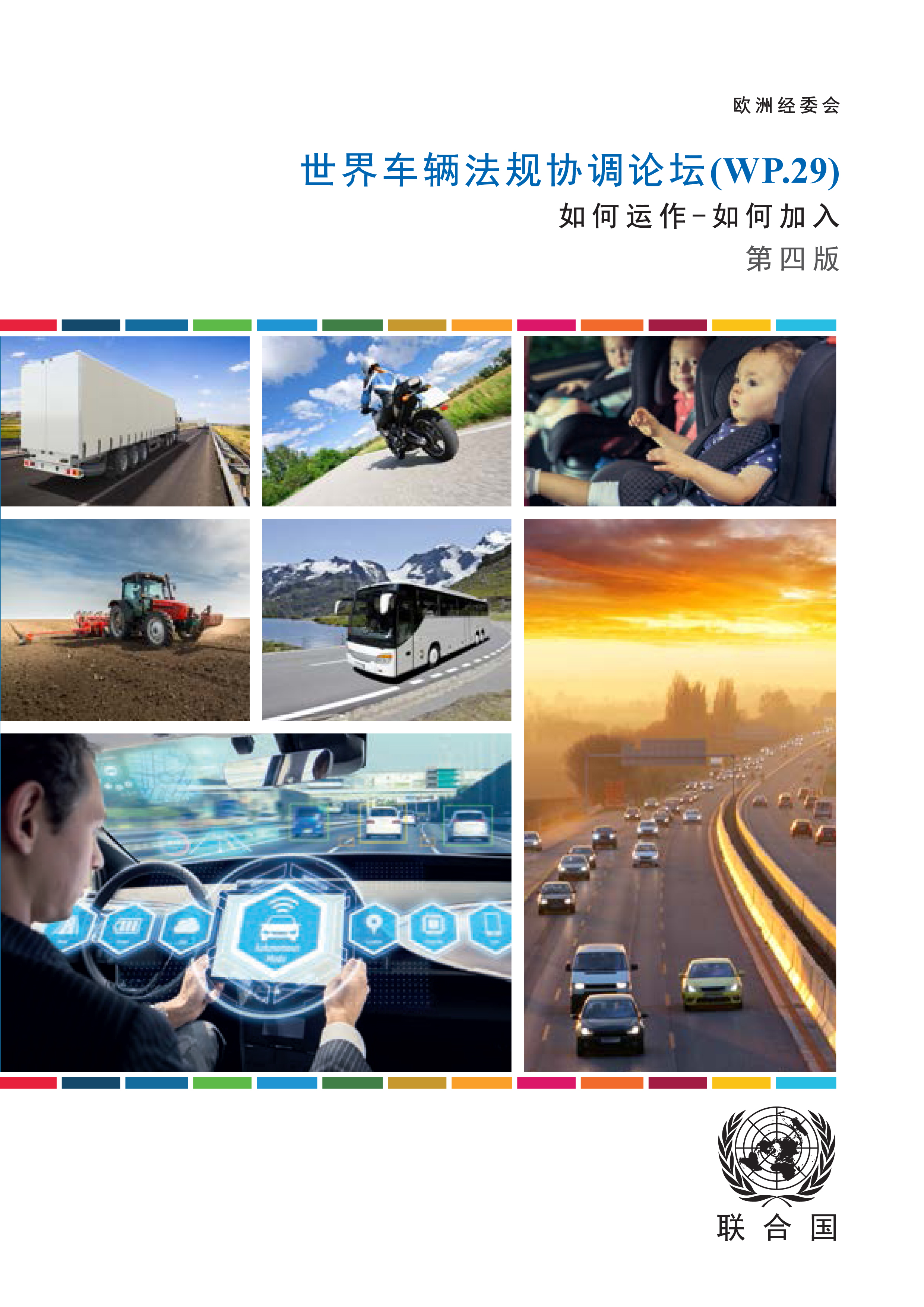
世界车辆法规协调论坛 (WP.29)
如何运作- 如何加入
More LessThis fourth edition of the publication, the so-called Blue Book, continues to provide precise and updated information on the World Forum for Harmonization of Vehicle Regulations (WP.29) serviced by the UNECE Sustainable Transport Division. It contains information on its historical background, its administrative and legal framework (with a user's guide), and the three international United Nations Agreements administered by the World Forum.
-
-
-
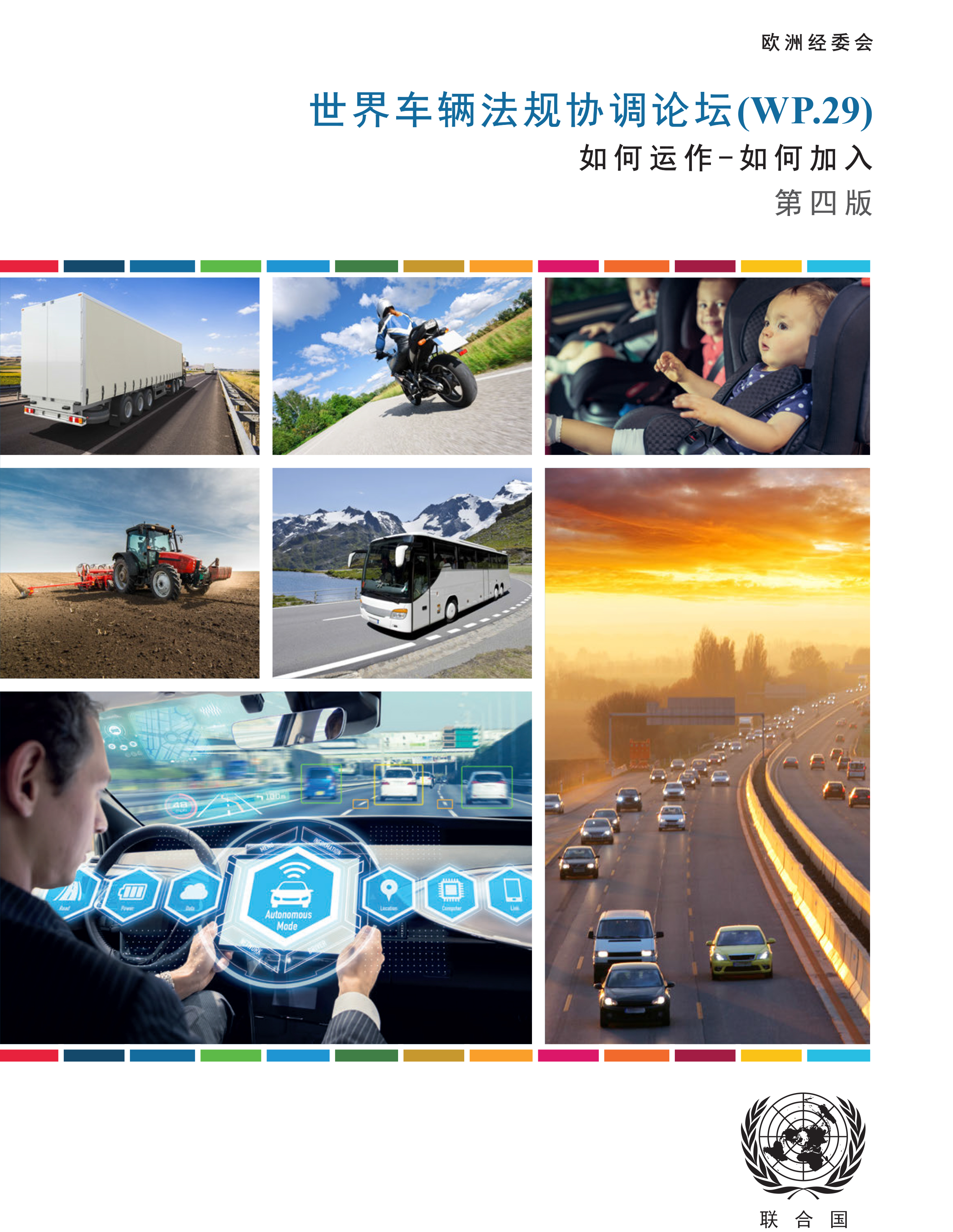
世界车辆法规协调论坛(WP.29)
如何运作-如何加入 (第四版)
More LessThis revised fourth edition of the publication, the so-called Blue Book, continues providing precise and updated information on the World Forum for Harmonization of Vehicle Regulations (WP.29) serviced by the UNECE Sustainable Transport Division: on its historical background, its administrative and legal framework with a user's guide, and the three international UN Agreements administered by the World Forum. Note: The fourth edition of the Blue Book had been published in 2019.
-
-
-
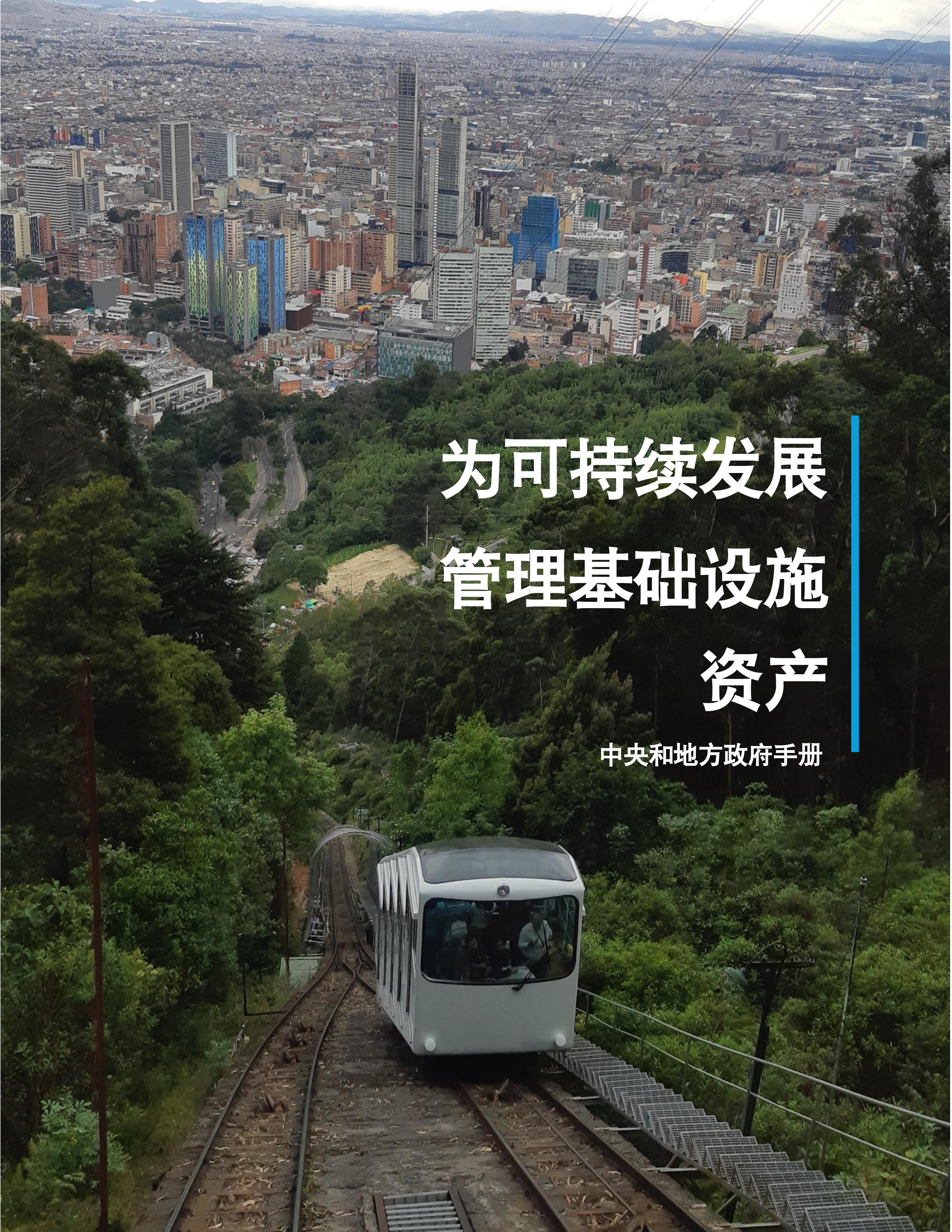
为可持续发展 管理基础设施资产
中央和地方政府手册
More LessThis publication provides guidance for national and local policymakers on the management of their assets in support of the 2030 Agenda for Sustainable Development. It introduces the reader to the basic principles of managing physical assets — like equipment and machinery, public land, buildings, and infrastructure facilities — in the most cost-effective and sustainable manner. Providing a number of practical and field-tested tools, it aids local and central governments in assessing their asset management needs and developing comprehensive and proactive asset management frameworks, policies, and strategies. The publication also places special emphasis on far-sighted and effective actions that integrate financial, lifecycle, and demand aspects of asset management. Topical deep dives cover the implications of Covid-19 and climate change on asset management, measures that help build statistical and data capacity, as well as guidance on creating an enabling environment for local asset management at the national level. Short case studies, practical exercises, and references to reading materials throughout the book aim to further contextualize the content and engage the reader.
-
-
-
人权教学入门 2004
中小学校的实践活动
More Less《人权教学入门》旨在成为一个便于使用的人权教育工具和涵盖许多基本人权领域的入门指导。它向希望在中小学儿童中培养人权意识和行动的教师和其他教育工作者提供切实可行的建议,包括建议如何开展学习活动。这并不是要给已经超负荷的课程增加额外负担,而是要帮助将人权问题纳入学校已有科目的教学内容。
-
-
-

伊斯坦布尔规程
Manual on the Effective Investigation and Documentation of Torture and Other Cruel, Inhuman or Degrading Treatment or Punishment
More LessThis revised edition strengthens the widely recognized and highly valued Istanbul Protocol standards on the effective investigation into and documentation of torture and ill-treatment. Relying on multi-sectoral engagement, specialized global expertise, and practical experiences of law, health, and human rights professionals in the field, including members of United Nations anti-torture bodies, the updated edition seeks to fortify the implementation of international norms and preventive tools to assist survivors of torture worldwide. The Istanbul Protocol and the accompanying “Istanbul Principles” also serve as a global standard against which the delivery of expert legal and medical evidence can be benchmarked in the investigation and prevention of torture.
-
-
-
伯克利数字开源调查协议
关于有效利用数字开源信息调查违反国际刑法、人权法和人道主义法行为的实用指南
More LessThe Berkeley Protocol on Digital Open Source Investigations: A Practical Guide on the Effective Use of Digital Open Source Information in International Human Rights, Humanitarian Law and Criminal Investigations. The Berkeley Protocol on Digital Open Source Investigations identifies international standards for conducting online research of alleged violations of international criminal, human rights, and humanitarian law. It provides guidance on methodologies and procedures for gathering, analyzing, and preserving digital information in a professional, legal, and ethical manner. The Protocol sets out measures that online investigators can and should take to protect the digital, physical, and psychosocial safety of themselves and others, including witnesses, victims, and first responders (such as citizens, activists, and journalists) who risk their own wellbeing to document war crimes and human rights violations so that those who are responsible are brought to justice.
-
-
-

保护少数群体权利
制定全面反歧视立法的实用指南
More LessThis Guide sets out in detail the content of comprehensive anti-discrimination law. It provides legislators and advocates with the tools to develop anti-discrimination legislation consistent with international legal standards on the rights to equality and non-discrimination. It aims to assist States in meeting their core international law obligations to respect, protect, and fulfil the rights to equality and non-discrimination. This Guide also includes practical examples to assist law- and policy-makers. It also provides specific guidance on the link between anti-discrimination law on the one hand, and minority rights on the other.
-
-
-
冲突后国家的法治工具
大赦
-
-
-
国际法委员会年鉴 2006 年,卷。 II,第 1 部分(附录 2)
More LessThe International Law Commission was established in 1947 with a view to carrying out the responsibility of the General Assembly, under article 13(1)(a) of the Charter of the United Nations, to “initiate studies and make recommendations for the purpose of ... encouraging the progressive development of international law and its codification.” Since its first session in 1949, the Commission has considered a wide-range of topics of international law and made a number of proposals for its codification and progressive development, some of which have served as the basis for the subsequent adoption of major multilateral treaties. The Yearbook of the International Law Commission contains the official records of the Commission and is an indispensable tool for the preservation of the legislative history of the documents emanating from the Commission, as well as for the teaching, study, dissemination and wider appreciation of the efforts undertaken by the Commission in the progressive development of international law and its codification. Volume II (Part One) reproduces the edited versions of the official documents considered by the Commission at the respective annual session.
-
-
-
国际法委员会年鉴 2011年, 第一卷
More LessThe International Law Commission was established in 1947 with a view to carrying out the responsibility of the General Assembly, under article 13(1)(a) of the Charter of the United Nations, to “initiate studies and make recommendations for the purpose of ... encouraging the progressive development of international law and its codification.” Since its first session in 1949, the Commission has considered a wide-range of topics of international law and made a number of proposals for its codification and progressive development, some of which have served as the basis for the subsequent adoption of major multilateral treaties. The Yearbook of the International Law Commission contains the official records of the Commission and is an indispensable tool for the preservation of the legislative history of the documents emanating from the Commission, as well as for the teaching, study, dissemination and wider appreciation of the efforts undertaken by the Commission in the progressive development of international law and its codification. Volume I reproduces the summary records of the Commission's annual sessions.
-
-
-
国际法委员会年鉴 2012年, 第一卷
More LessThe International Law Commission was established in 1947 with a view to carrying out the responsibility of the General Assembly, under article 13(1)(a) of the Charter of the United Nations, to “initiate studies and make recommendations for the purpose of encouraging the progressive development of international law and its codification.” Since its first session in 1949, the Commission has considered a wide-range of topics of international law and made a number of proposals for its codification and progressive development, some of which have served as the basis for the subsequent adoption of major multilateral treaties. The Yearbook of the International Law Commission contains the official records of the Commission and is an indispensable tool for the preservation of the legislative history of the documents emanating from the Commission, as well as for the teaching, study, dissemination and wider appreciation of the efforts undertaken by the Commission in the progressive development of international law and its codification. Volume I reproduces the summary records of the Commission’s annual sessions.
-
-
-
国际法委员会年鉴 2012年, 第二卷, 第一部分
More LessThe International Law Commission was established in 1947 with a view to carrying out the responsibility of the General Assembly, under article 13(1)(a) of the Charter of the United Nations, to “initiate studies and make recommendations for the purpose of ... encouraging the progressive development of international law and its codification.” Since its first session in 1949, the Commission has considered a wide-range of topics of international law and made a number of proposals for its codification and progressive development, some of which have served as the basis for the subsequent adoption of major multilateral treaties. The Yearbook of the International Law Commission contains the official records of the Commission and is an indispensable tool for the preservation of the legislative history of the documents emanating from the Commission, as well as for the teaching, study, dissemination and wider appreciation of the efforts undertaken by the Commission in the progressive development of international law and its codification. Volume II (Part One) reproduces the edited versions of the official documents considered by the Commission at the respective annual session.
-
-
-
国际法委员会年鉴 2012年, 第二卷, 第二部分
More LessThe Yearbook contains the official records of the International Law Commission and is an indispensable tool for the preservation of the legislative history of the documents emanating from the Commission, as well as for the teaching, study, dissemination and wider appreciation of the efforts undertaken by the Commission in the progressive development of international law and its codification. Volume II (Part Two) reproduces the edited version of the annual report of the Commission to the General Assembly.
-
-
-
国际法委员会年鉴 2013年, 第一卷
More LessThe International Law Commission was established in 1947 with a view to carrying out the responsibility of the General Assembly, under article 13(1)(a) of the Charter of the United Nations, to “initiate studies and make recommendations for the purpose of ... encouraging the progressive development of international law and its codification.” Since its first session in 1949, the Commission has considered a wide-range of topics of international law and made a number of proposals for its codification and progressive development, some of which have served as the basis for the subsequent adoption of major multilateral treaties. The Yearbook of the International Law Commission contains the official records of the Commission and is an indispensable tool for the preservation of the legislative history of the documents emanating from the Commission, as well as for the teaching, study, dissemination and wider appreciation of the efforts undertaken by the Commission in the progressive development of international law and its codification. Volume I reproduces the summary records of the Commission's annual sessions.
-
-
-
国际法委员会年鉴 2013年, 第二卷, 第一部分
More LessThe International Law Commission was established in 1947 with a view to carrying out the responsibility of the General Assembly, under article 13(1)(a) of the Charter of the United Nations, to “initiate studies and make recommendations for the purpose of ... encouraging the progressive development of international law and its codification.” Since its first session in 1949, the Commission has considered a wide-range of topics of international law and made a number of proposals for its codification and progressive development, some of which have served as the basis for the subsequent adoption of major multilateral treaties. The Yearbook of the International Law Commission contains the official records of the Commission and is an indispensable tool for the preservation of the legislative history of the documents emanating from the Commission, as well as for the teaching, study, dissemination and wider appreciation of the efforts undertaken by the Commission in the progressive development of international law and its codification. Volume II (Part One) reproduces the edited versions of the official documents considered by the Commission at the respective annual session.
-
-
-
国际法委员会年鉴 2013年, 第二卷, 第二部分
More LessThe International Law Commission was established in 1947 with a view to carrying out the responsibility of the General Assembly, under article 13(1)(a) of the Charter of the United Nations, to “initiate studies and make recommendations for the purpose of ... encouraging the progressive development of international law and its codification.” Since its first session in 1949, the Commission has considered a wide-range of topics of international law and made a number of proposals for its codification and progressive development, some of which have served as the basis for the subsequent adoption of major multilateral treaties. The Yearbook of the International Law Commission contains the official records of the Commission and is an indispensable tool for the preservation of the legislative history of the documents emanating from the Commission, as well as for the teaching, study, dissemination and wider appreciation of the efforts undertaken by the Commission in the progressive development of international law and its codification. Volume II (Part Two) reproduces the edited version of the annual report of the Commission to the General Assembly.
-
-
-
国际法委员会年鉴 2014年, 第一卷
More LessThe Yearbook of the International Law Commission contains the official records of the Commission and is an indispensable tool for the preservation of the legislative history of the documents emanating from the Commission, as well as for the teaching, study, dissemination and wider appreciation of the efforts undertaken by the Commission in the progressive development of international law and its codification. Volume I reproduces the summary records of the Commission's annual sessions.
-
-
-
国际法委员会年鉴 2014年, 第二卷, 第二部分
More LessThe Yearbook contains the official records of the International Law Commission and is an indispensable tool for the preservation of the legislative history of the documents emanating from the Commission, as well as for the teaching, study, dissemination and wider appreciation of the efforts undertaken by the Commission in the progressive development of international law and its codification. Volume II (Part Two) reproduces the edited version of the annual report of the Commission to the General Assembly.
-
-
-
国际法委员会年鉴 2015年, 第一卷
More LessThe Commission was established in 1947 with a view to carrying out the responsibility of the General Assembly, under article 13(1)(a) of the Charter of the United Nations, to “initiate studies and make recommendations for the purpose of encouraging the progressive development of international law and its codification.” Since its first session in 1949, the Commission has considered a wide-range of topics of international law and made a number of proposals for its codification and progressive development, some of which have served as the basis for the subsequent adoption of major multilateral treaties. The Yearbook contains the official records of the Commission and is an indispensable tool for the preservation of the legislative history of the documents emanating from the Commission, as well as for the teaching, study, dissemination and wider appreciation of the efforts undertaken by the Commission in the progressive development of international law and its codification. Volume I reproduces the summary records of the Commission's annual sessions.
-
-
-
国际法委员会年鉴 2015年, 第二卷 第二部分
More LessThe Yearbook contains the official records of the International Law Commission and is an indispensable tool for the preservation of the legislative history of the documents emanating from the Commission, as well as for the teaching, study, dissemination and wider appreciation of the efforts undertaken by the Commission in the progressive development of international law and its codification. Volume II (Part Two) reproduces the edited version of the annual report of the Commission to the General Assembly.
-
-
-
国际法委员会年鉴 2016年 第二卷 第一部分
More LessThe International Law Commission was established in 1947 with a view to carrying out the responsibility of the General Assembly, under article 13(1)(a) of the Charter of the United Nations, to “initiate studies and make recommendations for the purpose of ... encouraging the progressive development of international law and its codification.” Since its first session in 1949, the Commission has considered a wide-range of topics of international law and made a number of proposals for its codification and progressive development, some of which have served as the basis for the subsequent adoption of major multilateral treaties. The Yearbook of the International Law Commission contains the official records of the Commission and is an indispensable tool for the preservation of the legislative history of the documents emanating from the Commission, as well as for the teaching, study, dissemination and wider appreciation of the efforts undertaken by the Commission in the progressive development of international law and its codification. Volume II (Part One) reproduces the edited versions of the official documents considered by the Commission at the respective annual session.
-
-
-
国际法委员会年鉴 2016年 第二卷 第二部分
More LessThe International Law Commission was established in 1947 with a view to carrying out the responsibility of the General Assembly, under article 13(1)(a) of the Charter of the United Nations, to “initiate studies and make recommendations for the purpose of ... encouraging the progressive development of international law and its codification.” Since its first session in 1949, the Commission has considered a wide-range of topics of international law and made a number of proposals for its codification and progressive development, some of which have served as the basis for the subsequent adoption of major multilateral treaties. The Yearbook contains the official records of the Commission and is an indispensable tool for the preservation of the legislative history of the documents emanating from the Commission, as well as for the teaching, study, dissemination and wider appreciation of the efforts undertaken by the Commission in the progressive development of international law and its codification. Volume II (Part Two) reproduces the edited version of the annual report of the Commission to the General Assembly.
-
-
-
国际法委员会年鉴 第六十三届会议文件 2011年 第二卷 第一部分
More LessThe International Law Commission was established in 1947 with a view to carrying out the responsibility of the General Assembly, under article 13(1)(a) of the Charter of the United Nations, to “initiate studies and make recommendations for the purpose of ... encouraging the progressive development of international law and its codification.” Since its first session in 1949, the Commission has considered a wide-range of topics of international law and made a number of proposals for its codification and progressive development, some of which have served as the basis for the subsequent adoption of major multilateral treaties. The Yearbook of the International Law Commission contains the official records of the Commission and is an indispensable tool for the preservation of the legislative history of the documents emanating from the Commission, as well as for the teaching, study, dissemination and wider appreciation of the efforts undertaken by the Commission in the progressive development of international law and its codification. Volume II (Part One) reproduces the edited versions of the official documents considered by the Commission at the respective annual session.
-
-
-

国际法委员会年鉴2014年第二卷第一部分
More LessThe International Law Commission was established in 1947 with a view to carrying out the responsibility of the General Assembly, under article 13(1)(a) of the Charter of the United Nations, to “initiate studies and make recommendations for the purpose of ... encouraging the progressive development of international law and its codification.” Since its first session in 1949, the Commission has considered a wide-range of topics of international law and made a number of proposals for its codification and progressive development, some of which have served as the basis for the subsequent adoption of major multilateral treaties. The Yearbook of the International Law Commission contains the official records of the Commission and is an indispensable tool for the preservation of the legislative history of the documents emanating from the Commission, as well as for the teaching, study, dissemination and wider appreciation of the efforts undertaken by the Commission in the progressive development of international law and its codification. Volume II (Part One) reproduces the edited versions of the official documents considered by the Commission at the respective annual session.
-
-
-
国际法委员会报告
More LessThis is the official record of the International Law Commission which was established by the United Nations General Assembly in 1948 for the promotion of the progressive development of international law and its codification. It holds an annual session at the United Nations Office at Geneva.
-
-
-
国际法院的报告
More LessEvery year the Court submits a report on its activities to the United Nations General Assembly. The Report covers the period from 1 August of one year to 31 July of the next. It generally includes an introductory summary and information relating to the organization, jurisdiction and judicial work of the Court, visits, events and lectures, the Court’s publications and documents, and administrative and budgetary issues.
-
-
-
国际管制药物供应情况: 确保医疗和科研所用药物的充分供应
不可或缺、充分供应且不受不当限制
More LessThis supplement to the INCB’s Annual Report 2015 analyses global access to narcotic drugs and psychotropic substances. The report provides an introduction to the drug control conventions, human rights, action taken by the Board, and the report’s methodology. It focuses on narcotic drugs, examining supply and demand of opiate raw materials and opioids, availability of opioid analgesics, and impediments to their access for medical and scientific purposes, while analysing the situation of psychotropic substances, considering their use as analgesics, anti-epileptics, anxiolytics, sedative-hypnotics and stimulants. It also covers the topic of availability of internationally controlled drugs for the treatment of opioid dependence, and looks into simplified provision in emergency situations.
-