


Enhancing the capacities of state and regional institutions in transforming responsibility to protect from words to deeds: The case of Indonesia and ASEAN
- Автор: Lina A. Alexandra
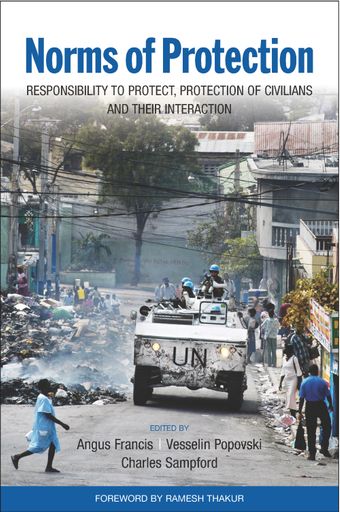
- Main Title: Norms of Protection , pp 234-248
- Дата публикации: января 2013
- DOI: https://doi.org/10.18356/f5929da9-en
- Language: Английский
As a principle, Responsibility to Protect (R2P) has gained relatively wide acceptance at a rapid pace since it was first formally introduced through the release of the report of the International Commission on Intervention and State Sovereignty (ICISS) back in 2001. Within five years, the earlier reluctance to embrace R2P had shifted into a global step to endorse the principle as part of an effort to maintain international peace and security, particularly against mass atrocities anywhere in the world. At the UN World Summit in 2005, more than 150 countries gave their support to the R2P principle, which was then followed by the adoption of UN Security Council Resolution 1674 which affirmed the principle in 2006. This shows that the idea to reframe the global concern over such atrocities from emphasizing “intervention justified by humanitarian concern” into calling for “responsibility to protect”, which lies primarily in the hands of the sovereign government, has become much more palatable.
© United Nations
ISBN (PDF):
9789210558945
Book DOI:
https://doi.org/10.18356/85667ed1-en
Связанные Темы :
Human Rights and Refugees
Sustainable Development Goals:

Countries:
Indonesia
-
From This Site
/content/books/9789210558945c015dcterms_title,dcterms_subject,pub_keyword-contentType:Journal -contentType:Contributor -contentType:Concept -contentType:Institution105
/content/books/9789210558945c015
dcterms_title,dcterms_subject,pub_keyword
-contentType:Journal -contentType:Contributor -contentType:Concept -contentType:Institution
10
5