


A synthesis
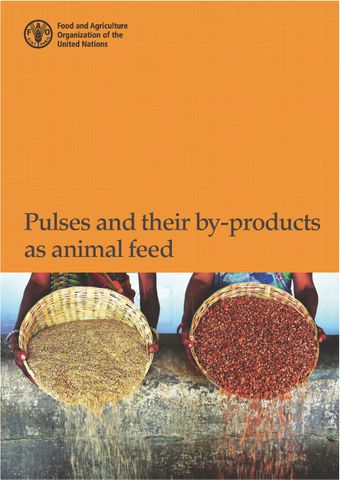
- Authors: P.L. Sherasia, M.R. Garg and B.M. Bhanderi
- Main Title: Pulses and their By-Products as Animal Feed , pp 191-202
- Publication Date: July 2018
- DOI: https://doi.org/10.18356/e9c9aa73-en
- Language: English
Pulse-based food is an important source of dietary protein and essential minerals, particularly for the vegetarian population in developing and developed countries. Pulses are of particular importance for food security – and more importantly nutrition security – particularly in regions where, for cultural reasons, the major sources of protein for humans are plants. Pulses are a relatively inexpensive source of protein when compared with most other protein sources. In addition to enhancing food and nutrition security directly, pulse crops also provide valuable by-products for animal feeding, which do not compete with human food, and thus indirectly contribute to food security. Pulse crops are becoming a cornerstone of sustainable agriculture due to their ability to enhance the nitrogen cycling of farming systems. In multiple cropping systems, besides enhancing soil fertility, pulses are able to improve yields and contribute to making a more rational use of nitrogen fertilizers while mitigating climate change (Calles, 2016). Several pulses are also resilient to adverse climate such as drought and heat, and grow in dryland regions of the world. This makes them important food crops that adapt easily to the rising temperatures, increasingly frequent droughts and other vagaries under the changing climate of the planet.

-
From This Site
/content/books/9789210472579c033dcterms_title,dcterms_subject,pub_keyword-contentType:Journal -contentType:Contributor -contentType:Concept -contentType:Institution105