Gender Equality
Collection Contents
1 - 20 of 24 résultats
-
-
Tackling Social Norms
A game Changer for Gender Inequalities
Plus MoinsGender disparities are a persistent form of inequality in every country. Despite remarkable progress in some areas, no country in the world—rich or poor—has achieved gender equality. All too often, women and girls are discriminated against in health, in education, at home and in the labour market—with negative repercussions for their freedoms. This is the time for a reality check. The commemoration of the 25th anniversary of the adoption of the Beijing Declaration and Platform for Action (Beijing+25) provides an opportunity to reassess the path to gender equality and adjust actions to close gender gaps. The Gender Social Norms Index (GSNI) measures how social beliefs obstruct gender equality in areas like politics, work, and education, and contains data from 75 countries, covering over 80 percent of the world’s population. According to the index, about half of the world’s men and women feel that men make better political leaders, and over 40 percent feel that men make better business executives and that men have more right to a job when jobs are scarce. 28 percent think it is justified for a man to beat his wife. The publication also includes the GSNI trends for 31 countries, representing 59 percent of the global population. The trends show that while in some countries there have been improvements, in others, attitudes appear to have worsened in recent years, signaling that progress cannot be taken for granted.
-
-
-
Gender Equality in Ageing Societies
UNECE Policy Brief on Ageing No. 23
Plus MoinsFaced with population ageing, countries in the UNECE region are preparing for growing numbers of older persons receiving pensions and needing health and long-term care services. An important societal adaptation to ageing has been to increase the labour market participation among women and older persons to ensure the sustainability of social security and protection systems. It is now time that regulatory frameworks, financial provisions and services support the equal sharing of paid and unpaid work in families, households and communities between women and men to close prevailing gender gaps in care, employment, earnings and pensions. Unless gender- and age- responsive reforms are addressing the multiple dimensions of gender inequality in ageing societies, women risk to be disproportionately disadvantaged by the consequences of population ageing, facing double and triple shifts of paid, domestic and care work at the detriment of their own health, earnings and savings which can accumulate to a greater risk of poverty, social isolation and unmet care needs in their own advanced age.
-
-
-

25 Years After Beijing
A Review of the UN System’s Support for the Implementation of the Platform for Action, 2014–2019
Plus MoinsThis report is a first-of-its-kind initiative of the United Nations Inter-Agency Network on Women and Gender Equality (IANWGE), the single largest network of gender focal points in the UN system. It presents a critical stocktaking of 51 UN entities’ support for implementation of the Beijing Platform for Action and the 2030 Agenda for Sustainable Development, showcasing key actions in areas such as women’s empowerment, the elimination of violence against women and girls, and the improvement and expansion of women’s education, political participation and entrepreneurship. As this report makes clear, UN system support for achieving gender equality remains critical, and urgent, sustained, and coordinated action is needed to safeguard the well-being of women and girls everywhere.
-
-
-
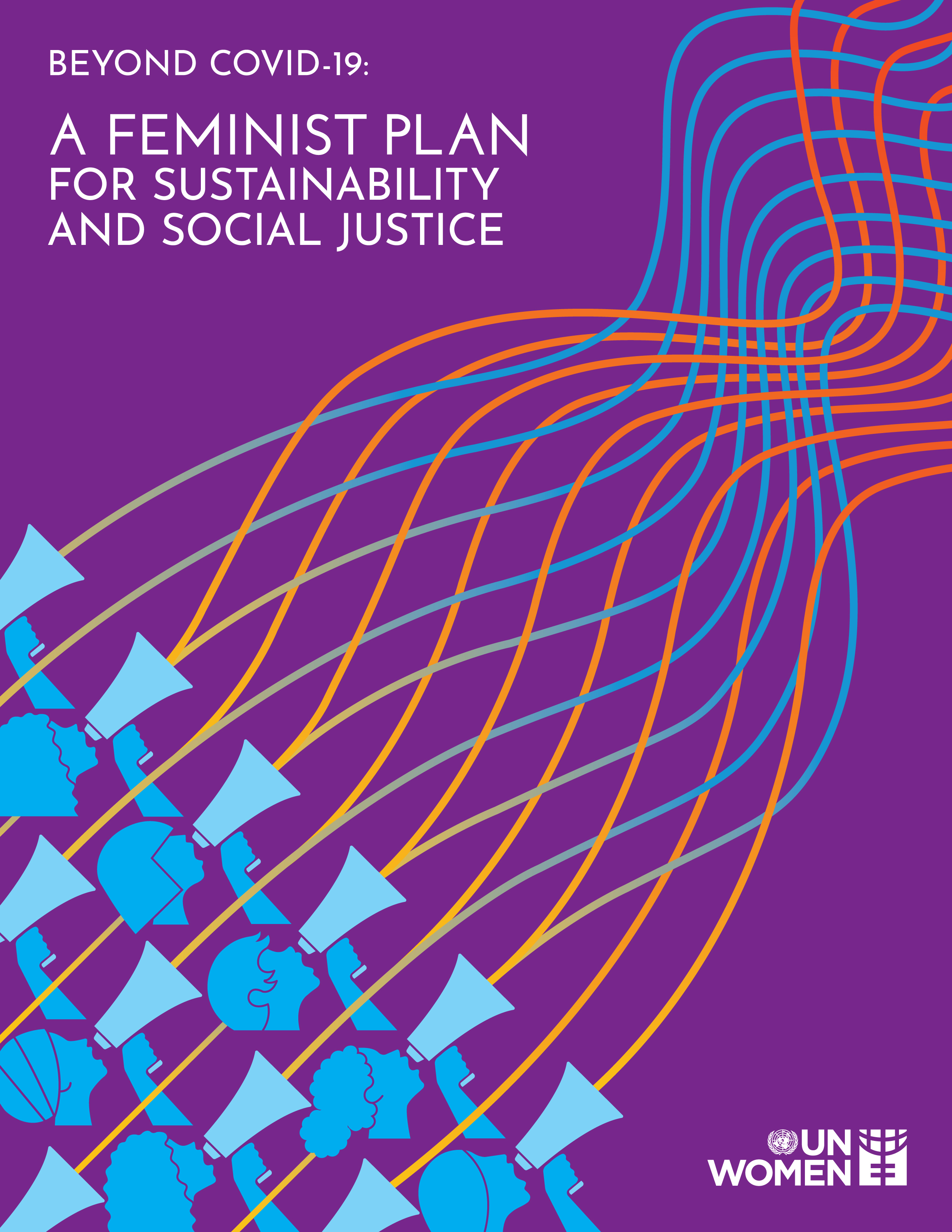
Gender-just transitions for a sustainable future
Plus MoinsBy revealing how under-prepared the world is for systemic shocks, COVID-19 has refocused attention on another, rapidly escalating crisis: that of environmental degradation and climate change. Only six years ago, the global community agreed the 2030 Agenda for Sustainable Development, recognizing the need for environmental, economic and social transformation to work in tandem to achieve human rights for all. Even before the pandemic, the world was off-track to meet these commitments. Now, with the world at a crossroads, one of the most consequential questions facing governments, business and the global community is whether decisive action will be taken to rapidly transition the global economy to more sustainable patterns of production and consumption to prevent—or at least reduce the extent of—environmental breakdown. There is growing recognition that marketbased solutions are ineffective in driving change at the requisite scale and pace. As the world looks to recover and rebuild after COVID-19, there is an opportunity to advance ‘gender-just’ transitions, a transformative approach that can achieve greater gender equality and set economies on more equitable and environmentally sustainable paths.
-
-
-
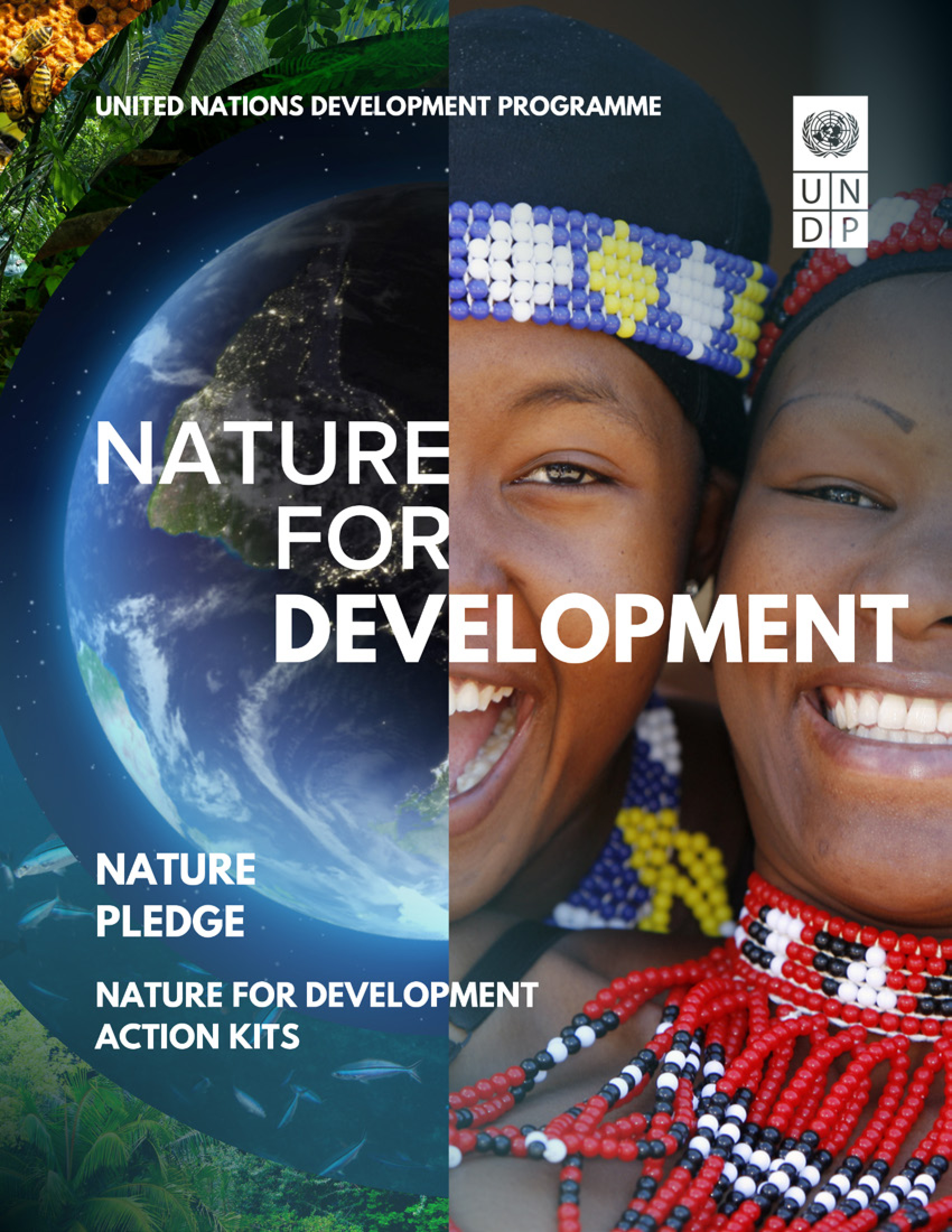
Nature for gender equality
Plus MoinsThe linkages between gender and nature are profound and multifaceted. Women play crucial and diverse roles managing and stewarding natural resources every day, but gender inequality means their rights, knowledge, priorities and influence are often sidelined. Gender inequality and environmental degradation and exploitation interact, often in a vicious cycle. Rights-based gender-responsive biodiversity policymaking, programming and action can be game-changers for gender equality – closing chronic gaps for improved food, livelihood and land security for women and their communities, for example. At the same time, the evidence is clear that gender equality delivers for nature, too: gender-responsive environmental interventions are not only more effective, equitable and sustainable, they are shown to deliver improved biodiversity outcomes, too.
-
-
-
Women’s economic autonomy in a changing labour market
Plus MoinsIn Latin America and the Caribbean, there are all sorts of structural constraints that limit the full enjoyment of women’s rights and progress towards gender equality. Globalization, changing demographic patterns, climate change, economic conditions and inequality in technology access and use within and between countries pose additional challenges. In addition, the appearance, interaction and confluence of a whole number of disruptive technologies have all the features of a new technological revolution. The rapid changes associated with existing and emerging technologies are making themselves felt in a number of dimensions of development, creating opportunities and challenges for societies and economies; in particular, they are giving rise to new scenarios for the world of work.
-
-
-

Costing of a Package of Family-friendly Transfers and Services to Advance Gender Equality and Women’s Empowerment
An Introduction to the Calculations and Results
Plus MoinsThis paper presents a costing analysis for a set of family-friendly services and transfers: income protection for children, people of working age, and older persons; universal health coverage; and early childhood care and education and long-term care services. The social protection and care policies that are included in the costing have enormous significance for families and broader society, and their implementation would have particularly important impacts for women, since they are over-represented among those without income security, they face specific life course contingencies, and they take on a highly disproportionate share of unpaid care work. Previous work studied different components of this package more in depth, often also providing projections for the future. The comparative advantage of the present study is that it looks at an integrated package of family-friendly services and transfers and estimates the costs for a large sample of countries (151 to 166, depending on the scenario). The costing shows that such a package is affordable in many countries. Depending on the scenario, median costs range between 4.6 and 10.1 per cent of GDP. Those countries that cannot finance the full package can initially afford at least some of its critical elements, such as health care or income support.
-
-
-

Work with Men and Boys for Gender Equality
A Review of Field Formation, the Evidence Base and Future Directions
Plus MoinsThis discussion paper assesses the evidence base of the “men for gender equality” field in light of three aspects of its emergence as a field, namely: its un-interrogated use of the category of “men”, its recourse to social psychological accounts of gender norms, and the implications of its NGO form for its ability to collaborate with and be accountable to resurgent intersectional feminist mobilizations.
-
-
-
Universal Health Coverage, Gender Equality and Social Protection
A Health Systems Approach
Plus MoinsThis discussion paper focuses on the interconnections between policies to move toward universal health care (UHC) as a key element of social protection and those to advance gender equality, women’s empowerment, and human rights. Based on an analysis of country experiences, it shows how gender is a key fulcrum on which all health system elements are leveraged and is hence central to achieving UHC.
-
-
-
Synergies in Jointly Addressing Climate Change, Health Equity and Gender Equality
Development Futures Series No. 50
Plus MoinsClimate change is already impacting negatively on the health and well-being of individuals across the globe, and this burden is likely to become more important and debilitating over time. Due to deep-rooted systemic inequalities, the growing negative consequences disproportionately affect diverse women, girls and lesbian, gay, bisexual, transgender and intersex (LGBTI) people. The same structural and cultural factors that render them more vulnerable also limit their meaningful participation in mitigation and adaptation planning and marginalize their needs. This policy brief argues the case that to enable gender-transformative, intersectional and rights-based approaches, climate change, gender and other social determinants of health must therefore be considered and addressed jointly where possible. A systems-based approach can improve the understanding of important synergies and co-benefits, feedback loops, trade-offs and unanticipated consequences that are critical to priority-setting and effective responses. It can also foster critically needed cross-sectoral collaboration among the policymakers and advocates who work on climate, health and gender equality.
-
-
-

Charting New Paths for Gender Equality and Empowerment: Asia-Pacific Regional Report on Beijing+30 Review
Plus MoinsThis report has been prepared to inform the Asia-Pacific regional intergovernmental review of the implementation of the Beijing Declaration and Platform for Action in conjunction with the Asia-Pacific Ministerial Conference on the Beijing+30 Review in November 2024. It presents key progress, remaining challenges, good practices and lessons learned by member States and stakeholders involved in the implementation of the Beijing Declaration and Platform for Action in Asia and the Pacific. Based on a synthesis of latest data and evidence, it proposes strategies to guide the implementation of the Beijing Declaration and Platform for Action in Asia and the Pacific in the context of evolving global and regional megatrends, such as the just green transition, digital and technological transformation, and demographic shifts. The intersectional challenges related to gender, age, ethnicity, disability and other socioeconomic factors are reflected in the analysis. The report aims to identify opportunities to address gender inequalities and inform the development of future policies and programmes that can bring about gender-transformative changes for all women and girls of diverse background in Asia and the Pacific.
-
-
-
The Digital Revolution
Implications for Gender Equality and Women’s Rights 25 Years after Beijing
Plus MoinsThe digital revolution brings immense potential to improve social and economic outcomes for women. Yet, it also poses the risk of perpetuating existing patterns of gender inequality. This report begins by outlining a conceptual framework for understanding the mutual shaping relationship between gender and technology. It then focuses on three areas to identify opportunities and risks in the digital revolution: education, work, and social/welfare services.
-
-
-
Feminist Climate Justice: A Framework for Action
Plus MoinsThe climate crisis is the most pressing issue of our times, one that is threatening progress on gender equality and human rights and hindering the achievement of the Sustainable Development Goals. Against this backdrop of rising global temperatures and unfulfilled national pledges, women, girls and gender-diverse people are mobilizing to demand that their voices be heard in decision-making on climate policy. To answer their demands, this paper describes how to achieve feminist climate justice through four interlinked dimensions (recognition, redistribution, representation and reparation) and the principles of interdependence and intersectionality. It provides practical guidance on what countries need to do to transition to low-emission economies that are resilient to a changing climate, while advancing gender equality and recognising the leadership of women, girls and gender-diverse people in driving the change that is so urgently needed. In doing so, it zooms in on the global food system as just one illustration of how this framework can be applied, as well as provides analysis of the major barriers to accountability for gender-responsive climate action and how they can be overcome. The vision for feminist climate justice is of a world in which everyone can enjoy the full range of human rights, free from discrimination, and flourish on a planet that is healthy and sustainable. With this conceptual framework, UN-Women aims to open up space for discussion of feminist alternatives to the status quo and to inform the next edition of its flagship report, Progress of the World’s Women, on gender equality in the age of climate crisis.
-
-
-
Gender Responsive Standards
Plus MoinsThis publication provides recommendations to governments and standards bodies to improve voluntary norms and standards for gender equality and women’s empowerment. This best practice is based on the broad analysis contained herein, which includes examples of gender-blind standards that have resulted in sub-optimal outcomes for women as professionals, consumers, and members of wider communities. To maximize the relevance of the research, the publication references three main families of standards: voluntary sustainability standards; standards related to agriculture and produce; and standards developed by regional, national and international bodies relating to goods and services. It also highlights actions necessary for the international community going forward, presenting in detail the UNECE Gender Responsive Standards Initiative and encouraging standards bodies to sign and implement the Declaration on Gender Responsive Standards.
-
-
-
Gender Equality and Inclusive Growth
Economic Policies to Achieve Sustainable Development
Plus MoinsProponents of inclusive growth advocate for equity considerations to be at the front and center of growth policy. However, their principal concern is with class – not gender equality. This publication shows that economic growth is an inherently gendered process and gender-based inequalities can in fact be barriers to shared prosperity. Gender equality will thus need to be central to any project of inclusion. The book argues that for growth to be gender-equitable and truly inclusive, the pattern of growth must create decent work and productive employment for women and men. This would require policy-makers to rethink the role of macro-level economic policies, including trade, industrial, macro-economic, finance and investment policies, and to adopt human rights as a guiding normative framework. The book highlights the importance of addressing unpaid care and domestic work and calls for a transformative approach that recognizes and values care work.
-
-
-

Generation Equality Accountability Report 2024
Plus MoinsGeneration Equality is a global initiative that aims to drive change through a multigenerational and multi-stakeholder approach, focusing on key issues like equal pay, fair distribution of unpaid care work, eradicating gender-based violence, healthcare access, and increasing women’s political participation. The third edition of the Generation Equality Accountability Report presents findings from the 2024 Commitments Reporting Survey. A year after the 2023 mid-point assessment, 53 per cent of Commitment Makers reported on 71 per cent of their commitments - a significant 40 percentage point increase from 2022. Notably, 160 Commitment Makers reported for the first time, reflecting growing engagement and accountability. This momentum is further evidenced by the USD 50.3 billion pledged towards gender equality by governments, the private sector, and multilateral organizations. Additionally, the Women, Peace, and Security and Humanitarian Action (WPS-HA) Compact highlighted that global instability affected 52 per cent of signatories, prompting 42 per cent to intensify efforts in conflict-affected regions. The report underscores Generation Equality's critical role in advancing gender equality within the 2030 Agenda. An overwhelming 94 per cent of Commitment Makers advocate for scaling up Generation Equality’s actions beyond 2026. The Accountability Report illustrates how Generation Equality has become a powerful catalyst, aligning with the vision of the 2024 Summit of the Future, particularly in promoting effective global cooperation and accelerating progress towards the Sustainable Development Goals.
-
-
-
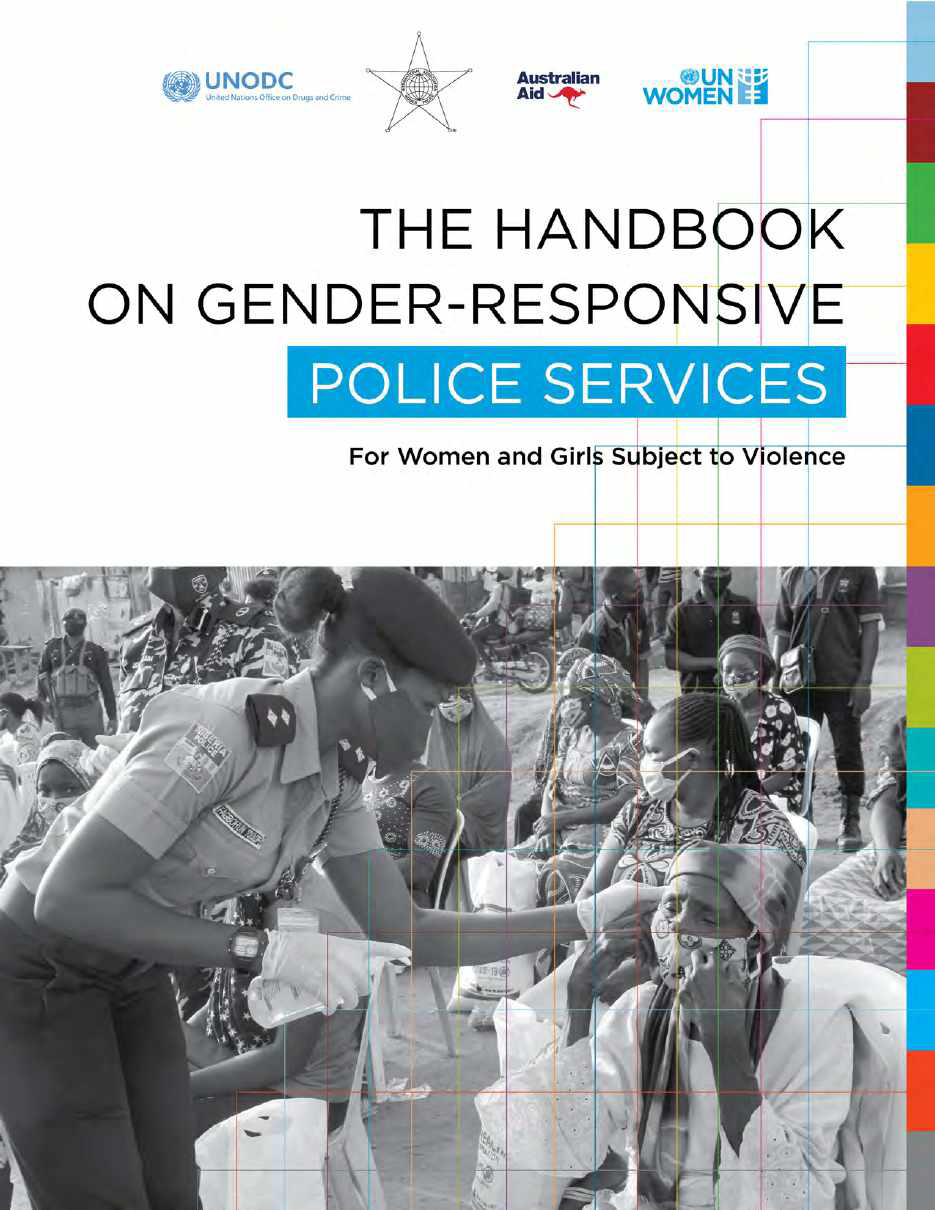
Handbook on Gender-responsive Police Services for Women and Girls Subject to Violence
Plus MoinsUnder the framework of the UN Joint Global Programme on Essential Services, UN Women, together with UNODC and the IAWP, developed this handbook on gender-responsive police services to address the need for a strengthened justice sector response to violence against women and girls. The handbook is based on and complements existing global and country-specific handbooks and training materials for law enforcement. It covers areas such as prevention of violence against women and girls, gender-responsive police investigations, survivor-centred approaches, and institutional transformation within an often-complex justice system. It also provides guidance on responding to violence against women and girls during a crisis, including a pandemic.
-
-
-

Progress on the Sustainable Development Goals: The Gender Snapshot 2024
Plus MoinsProgress on the Sustainable Development Goals: The Gender Snapshot 2024 is the latest edition in an annual series produced by UN-Women and the United Nations Department of Economic and Social Affairs. Covering all 17 Goals, the report highlights new data and evidence on gender equality trends and gaps. It finds that the world is still falling short on its commitments to women and girls. There are some points of light. They include declining poverty, narrowing of gender gaps in education and a push for positive legal reforms. Yet just six years before the 2030 deadline for the Goals, not a single indicator under the gender equality Goal has been fully achieved. Ending extreme poverty among women could take 137 more years at the current rate of change. No country has all relevant laws to prohibit discrimination, prevent gender-based violence, uphold equal rights in marriage and divorce, guarantee equal pay, and provide full access to sexual and reproductive health. Gender parity in parliaments may not be reached before 2063. The report stresses the high cost of not investing in women’s rights, and calls attention to proven solutions that benefit women, girls and entire societies. It champions radical action to shift the current trajectory and dramatically accelerate progress on gender equality and women’s rights.
-
-
-
UN Women Gender Alerts
Plus MoinsSince the start of the war in Gaza, UN Women has documented the experiences of women and girls and their resulting humanitarian needs through a series of gender alerts. These alerts highlight how the conflict affects women and girls across various aspects of daily life, including access to food, water, sanitation, hygiene (WASH), shelter, and education. These reports emphasize the responsibilities and priorities of different groups, as well as the influence of gender roles and power dynamics in shaping the experiences, coping strategies, and needs of the impacted population. Each report highlights sector-specific gendered needs and priorities to ensure that the humanitarian response to the Gaza Strip is gender-sensitive.
-