


Synthetics and their effects on agricultural trade
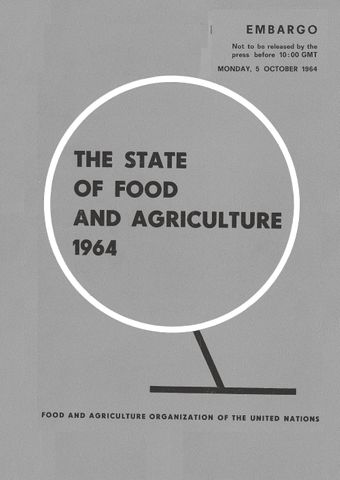
- 作者: Food and Agriculture Organization of the United Nations
- Main Title: The State of Food and Agriculture 1964 , pp 133-191
- 出版日期: 十二月 1964
- DOI: https://doi.org/10.18356/c472e0cb-en
- Language: 英语
One of the main threats to the exchange earnings of developing countries in recent years has come from competition of synthetics with agricultural raw materials, principally cotton, wool, jute and allied fibers, hard fibers (mainly abaca), and rubber. In the period 1959-61, world exports of these products were valued at about US $5,600 million, equivalent to 24 percent of the total value of world agricultural trade. Moreover, more than half (55 percent) the total originated in developing countries, where they accounted for 30 percent of total exports of agricultural products. Developed regions accounted for 39 percent of the total and centrally planned countries for the remainder (Table IV-I).
© United Nations
ISBN (PDF):
9789210472807
Book DOI:
https://doi.org/10.18356/ab4737d0-en
Sustainable Development Goals:
-
From This Site
/content/books/9789210472807c005dcterms_title,dcterms_subject,pub_keyword-contentType:Journal -contentType:Contributor -contentType:Concept -contentType:Institution105
/content/books/9789210472807c005
dcterms_title,dcterms_subject,pub_keyword
-contentType:Journal -contentType:Contributor -contentType:Concept -contentType:Institution
10
5